
Introduction
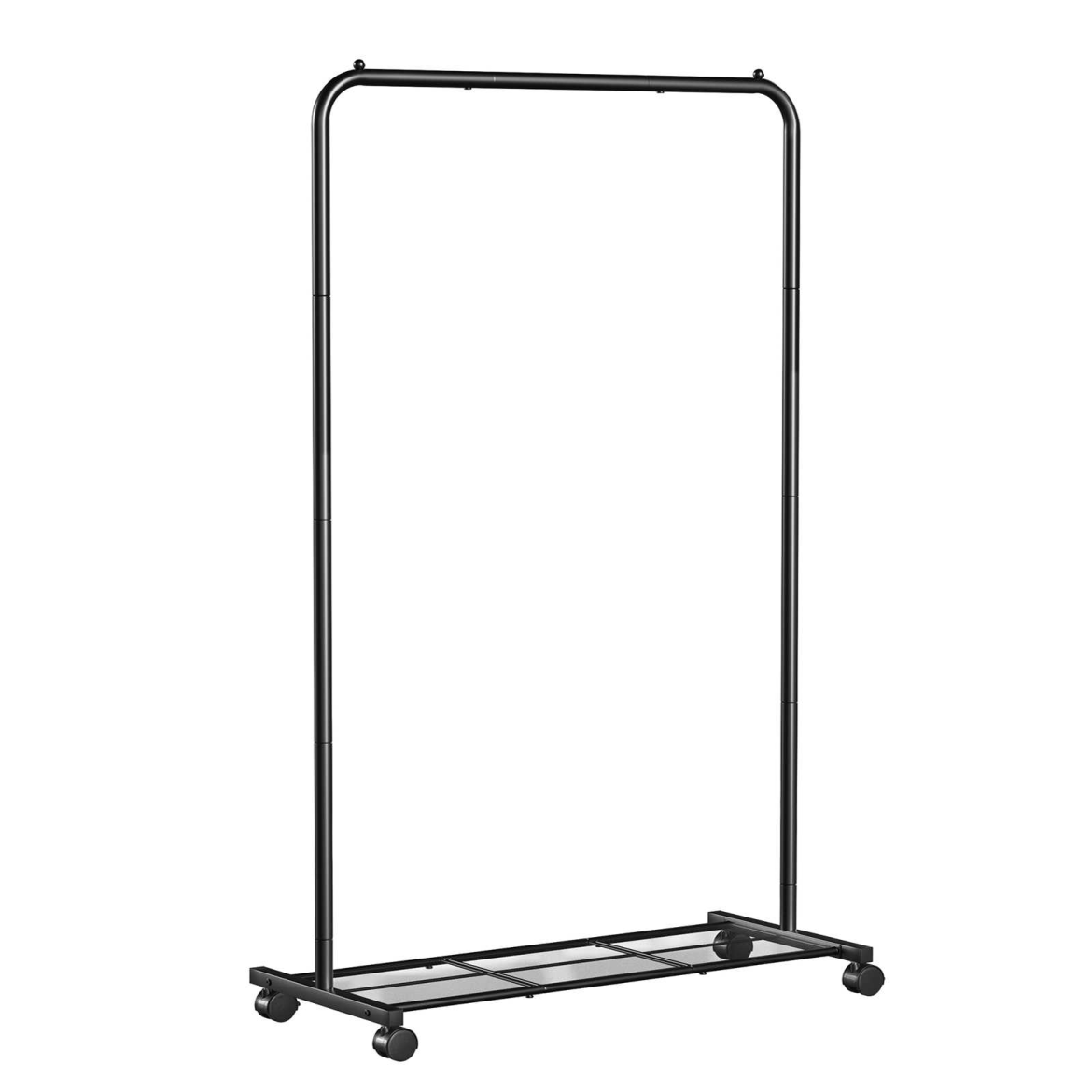
Define the core risk first: duty margin. It is the gap between what a rack can bear and what the job asks of it, hour by hour. A clothes rack manufacturer sees the weak points before you do. In a busy reset (overnight changeover), teams move hundreds of units, and small defects add up fast. Field checks often show double-digit time loss from wobble and caster drag. When you source wholesale garment racks, do you know the real capacity under shock load, not just the catalog number?
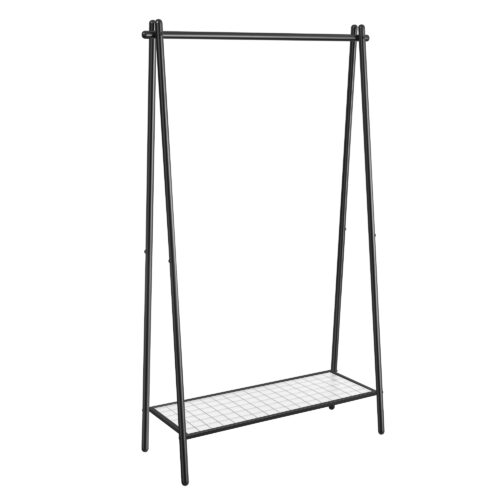
This is not only about price. It is about compliance, warranty exposure, and service time. Static load rating can look fine, yet torsional rigidity under a tight turn tells a different story. Coating may pass a quick look, yet fail a salt-spray cycle when humidity spikes. The question is simple: which signals predict uptime, not just shelf appeal? (And which ones mask future cost?) We will compare the common options and flag what matters most for repeat use—then map it to clear checks you can run. Let’s move from claims to hard criteria.
Hidden Pain Points Behind Rack Failures
What’s breaking—and why?
Most pain sits in the gaps between spec sheets and real work. Casters roll well on day one, then jam after lint and grit build up—funny how that works, right? Welds look smooth, but shallow weld penetration invites flex, then creep. Bracing feels solid when empty, yet racks sway with a live load and tight turns. Look, it’s simpler than you think: mismatch between static load rating and dynamic duty is the silent cost driver. Teams feel it as slow moves, squeaks, and tip risk. Finance sees it as shrink and returns. Operations calls it “downtime,” but the root is design margin, not user error.
Coatings hide another issue. A glossy tube can chip at contact points, then rust spreads under the film. The failure does not shout. It crawls. Then come stains on light fabrics and a quiet spike in defects. AQL sampling may miss early drift if you only check surface finish and ignore micro-cracks near bends. Add narrow aisles and repeated knocks, and torsional rigidity becomes the real test. When specs skip corner loads and side impacts, you pay later. The fix begins with better questions: What is the dynamic rating at a 10° tilt? How many cycles can the joint take before looseness? What bracing kills sway without adding pointless weight?
Forward-Looking Standards and Smarter Builds
What’s Next
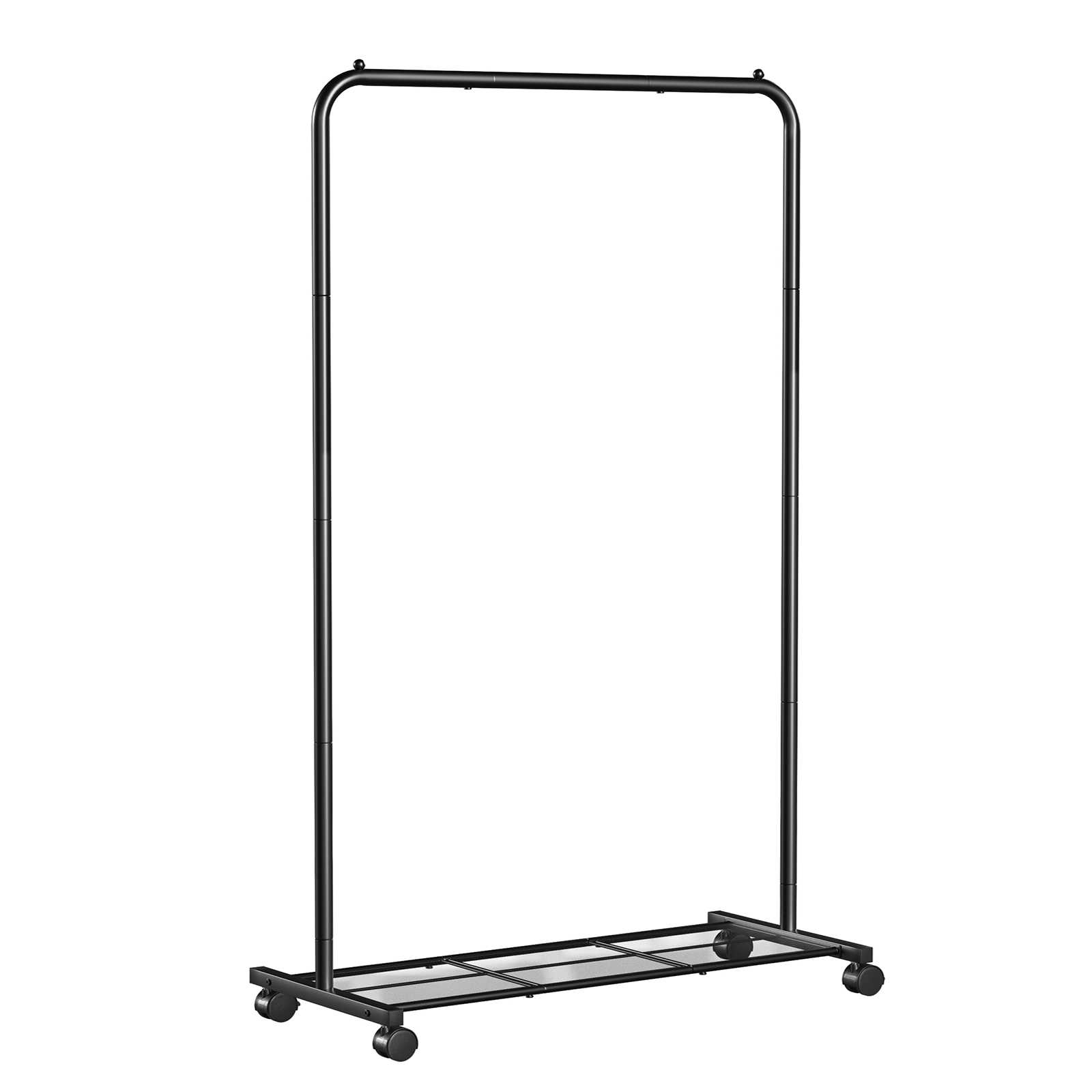
Comparing old versus new is clear when you model the forces. New frames use finite element analysis to find stress hotspots before the first bend. That lets engineers push material where it works and cut where it does not. Result: higher torsional rigidity with the same mass. Coatings also shift. E-coating plus powder topcoats raise the barrier against chips on touch zones. It means the rack looks clean longer. More important, it protects welds that carry the load. Even casters change. Wider tread, sealed bearings, and real torque spec on stems reduce wobble creep. If you source clothes display racks wholesale, ask for the cycle count under grit and hair, not just in a lab sweep—because that is the floor reality.
Modularity is the other edge. Better connectors lock without play and survive more rebuilds. It helps teams reconfigure fast and cut tool time. Sensors are optional, but simple counters on caster rotations give you maintenance windows you can trust—no need for edge computing nodes to get value. The takeaway so far: test for motion, not just mass; protect the joints, not just the tubes; and validate coatings where they hit metal-on-metal. Advisory close, then. Use three checks when choosing any solution. First, dynamic capacity with a tilt-and-roll test that reports deflection in millimeters. Second, caster endurance with a grit-cycle benchmark and a clear failure mode. Third, coating durability with salt-spray hours tied to chip-resistance at contact points, not flat panels. Do that, and uptime climbs while noise and wobble fall—simple math. For further technical guidance rooted in production practice, see SONGMICS HOME B2B.
