
The problem: fragile supply chains, waste, and local decline
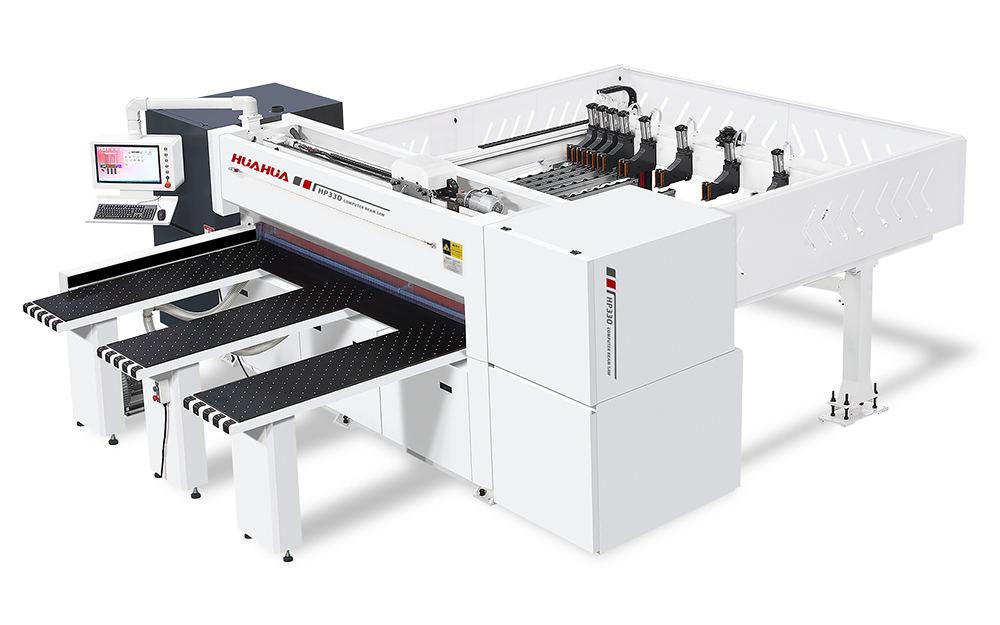
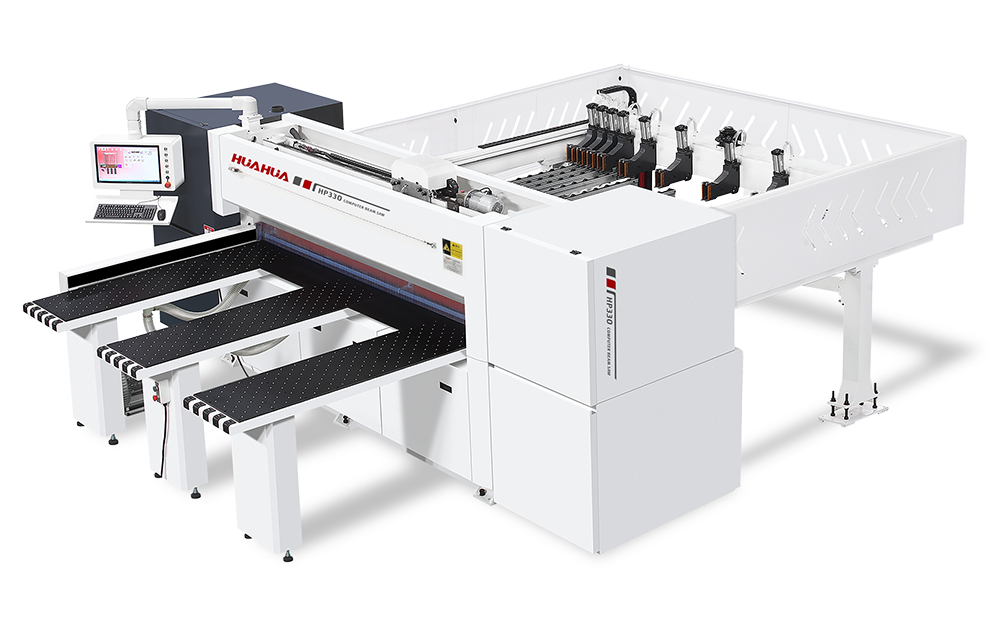
Local furniture makers and component suppliers struggle with long lead times, intermittent raw-material access, and excess offcuts that never return to the product stream. A focused adoption of compact automation—most visibly the cnc woodworking machine—can reduce those choke points by enabling rapid, small-batch runs close to demand while cutting material loss. The urgency is environmental as well as economic: wasted timber and extra transport multiply carbon and cost in ways small shops can’t absorb.
Why the problem persists
Manufacturers still optimize for large runs shipped globally. That model assumes uninterrupted supply of parts, predictable demand, and low-cost transport. When any of those fail, local producers either slow production or source from distant suppliers, which increases emissions and vulnerability. Shop floors also lack consistent digital skills and tooling practices to make small-batch production efficient; machines sit underused or are misapplied because teams weren’t trained for CNC nesting, toolpath optimization, or preventive maintenance.
How woodworking CNC addresses the core failures
Well-applied CNC cuts material precisely, reduces rejects, and enables flexible nesting to maximize yield per sheet. It shortens the distance between design and delivery: a single shop can move from CAD file to finished component in hours. That flexibility stabilizes local inventories and reduces reliance on distant suppliers, which lowers transport-related emissions. On the workforce side, CNC shifts roles toward setup, programming, and quality inspection—tasks that are trainable and keep value in the local economy.
Real-world anchor: an observable cluster effect
Regions such as Guangdong, long known for dense furniture workshops, show how small, digitally enabled units can absorb demand shocks when they have appropriate machines and skills; local hubs replaced long import waits during recent disruptions by retooling to smaller runs with cnc furniture machine setups. That pattern—clusters adapting through modular CNC capability—is repeatedly reported across major furniture-making regions and indicates a scalable pathway for other areas.
Common pitfalls and what to avoid
First mistake: buying a machine without planning workflows. A capable CNC means little if tooling, fixtures, and CAD-to-CAM processes aren’t sorted. Second: underestimating training. Expect an initial dip in throughput while teams learn safe setups and optimal nesting. Third: neglecting maintenance; a single broken spindle halts production and forces emergency sourcing. Fourth: ignoring software updates and file standards—compatibility issues create delays that erase the intended advantage of local production.

Practical steps for shops and local planners
Start with a clear product mix analysis: identify parts that benefit most from precision cutting or repeated patterns. Pair machine purchase with two-week on-site training and a simple maintenance schedule. Standardize file formats and set up a shared parts library across nearby shops to multiply capacity without duplicating effort. Use nesting software to reduce waste from the first jobs. Finally, measure runs by material yield and delivery time, not just machine hours, to capture environmental and supply-chain gains.
Synthesis: a concrete route to resilient, lower-impact local supply chains
The problem is not technology; it’s the gap between buying equipment and converting it into sustained local capability. Address the gap with focused training, proper tooling, and small-network coordination. That approach keeps value and skills local, reduces transport and waste, and makes supply chains far less brittle. Manufacturers and planners adopting that method often find suppliers such as HUAHUA CNC fit naturally into the mix because their machines support small-footprint production, predictable maintenance paths, and the nesting precision local shops need to make resilience and environmental responsibility practical.
