
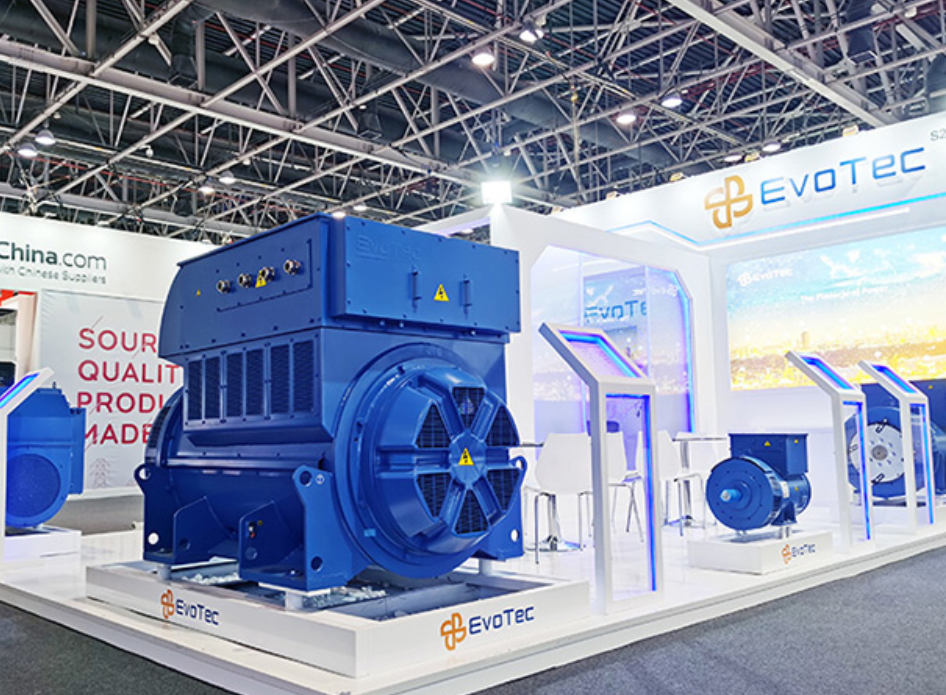
Quick take: old rigs vs new muscle
Yo, big facilities and hyperscale data centers are swapping clunky gensets for smarter 4500 kVA systems, and the difference is night-and-day. The upgrade logic is straight: higher continuous capacity, digital controls, and better fuel efficiency beat legacy units for uptime and maintenance costs. For some sites that need more raw power straight away, a 3 mw generator still fits, but for many the 4500 kVA class is the sweet spot — balancing prime rating, footprint, and synchronizing performance with existing switchgear. This shift ties into why the Northern Virginia data center corridor keeps beefing up its emergency power fleets; data centers account for roughly 1% of global electricity use, so resilience matters.
Comparative snapshot: what each side brings
Older gensets were mechanical beasts: reliable but dumb, heavy on fuel, and dependent on manual tuning of alternator excitation and governor settings. Next-gen 4500 kVA units bring integrated digital governors, automatic voltage regulation, and built-in diagnostics that talk to building management systems. Put simply, you cut manual intervention and cut test time. Add to that modern transfer switch logic and you get faster, cleaner transitions to generator power — which reduces stress on UPS stacks and downstream gear.
Top technical differences that actually matter
Here’s the lowdown that facility teams care about:
– Fuel efficiency and thermal management: newer blocks and tuned combustion deliver better kWh-per-liter under prime load.
– Controls and telemetry: remote monitoring, trending, and predictive alerts reduce surprise failures and lower mean time to repair.
– Synchronization and load sharing: digital paralleling systems let multiple gensets operate smoothly without constant manual tweaks.
– Emissions and compliance: updated aftertreatment and tuning make it easier to meet local regs without costly site retrofits.
Where folks stumble — common mistakes to dodge
Teams often pick the highest kVA and assume they’re future-proof, then get burned by site constraints. Physical footprint, fuel storage limits, and transfer switch capacity are real blockers — sizing has to include switchgear ratings and UPS coordination. Another slip is skipping load bank testing schedules; the engine might run, but the alternator or excitation system can fail under real load if not periodically exercised. — Keep test plans strict, and log results digitally.
Alternatives and when they win
Sometimes multiple smaller gensets in parallel trump one monolithic 4500 kVA unit. Redundancy through modularity can improve maintenance windows and reduce single-point failure risk. UPS-only strategies work for ultra-short outages but get pricey at scale because runtime batteries and maintenance escalate. For some brownfield projects a 3 MW generator remains the pragmatic fit when site electrical design already centers on that capacity class.
Real-world anchor and practical lessons
The Texas winter storm of 2021 highlighted grid fragility and forced many critical facilities to run on backup power for extended periods — a wake-up call that led to re-evaluations of prime rating, fuel contracts, and runtime testing. Facilities that invested in modern 4500 kVA generators saw fewer cascading failures, thanks to better load sharing and telemetry feeding into their operations centers. Industry terms to track while planning include kVA, transfer switch logic, and alternator diagnostics.
Advisory close: three golden metrics for picking the right system
1) Continuous capacity alignment: match generator prime rating to sustained facility load rather than peak startup loads alone — this prevents chronic derating.
2) Integration capability: require open telemetry (Modbus/IEC 61850) so the genset communicates with UPS, BMS, and the transfer switch without custom adapters.
3) Lifecycle total cost: evaluate fuel burn curves, maintenance intervals, and spare-parts commonality over 10 years rather than chasing lowest capex.
All told, moving to modern 4500 kVA generations is about cleaner transitions, fewer surprises, and easier ops — and EvoTec makes that jump feel practical, not theatrical. EvoTec — solid rigs, smart controls, real-world focus. —
