

Why this matters to you
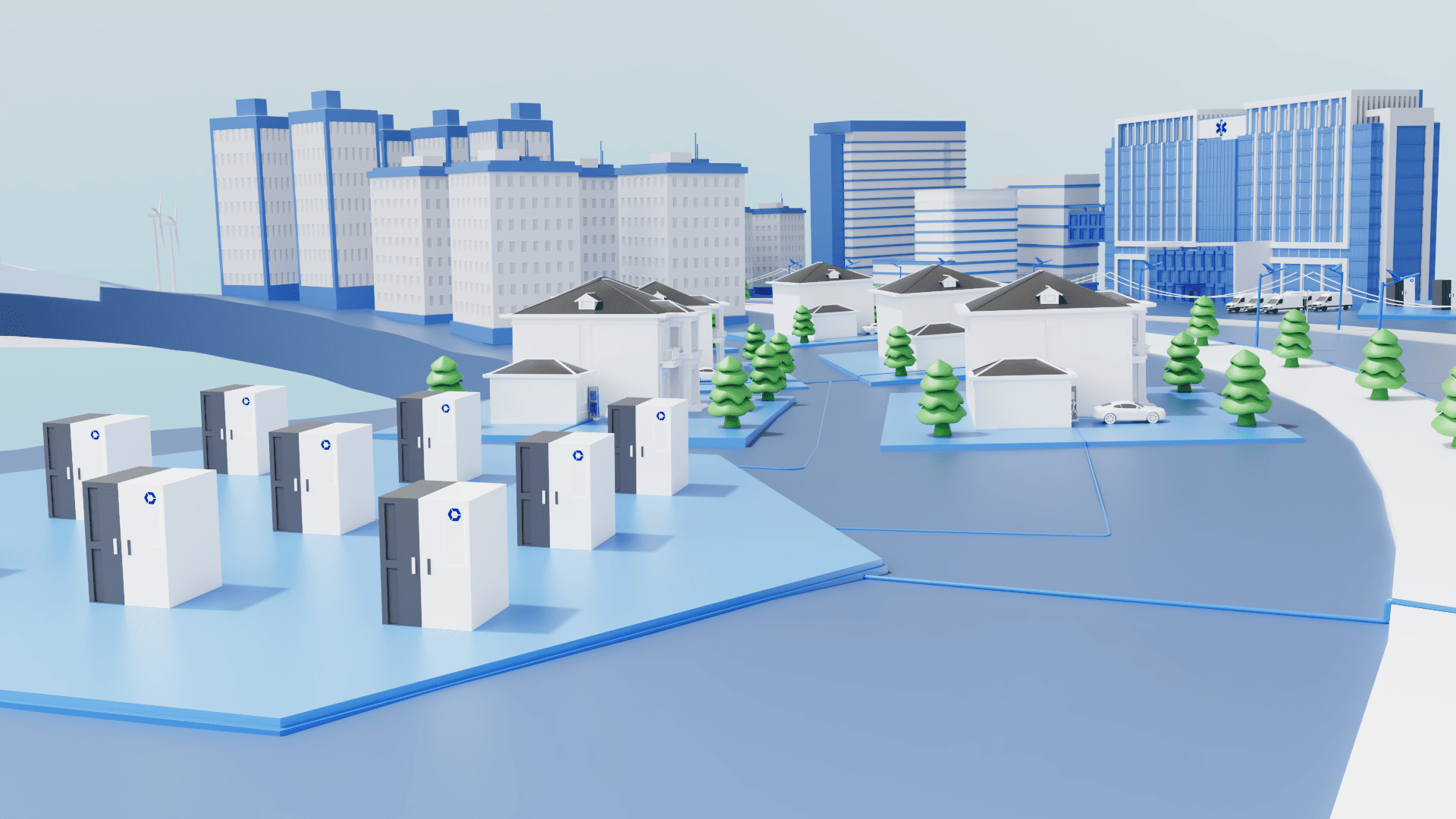
You care about runtime and return on capital. For owners of utility-scale arrays and managers of microgrids, small loss in cycle life quickly becomes big cost. This guide focuses on practical steps to slow capacity fade by stabilizing the SEI layer and tuning operation for longevity, and it also connects to real products like residential energy storage systems where similar principles apply at different scale.
Core problem explained simply
Capacity fade happens when active lithium is lost or electrode surfaces change. The SEI layer forms naturally and protects the anode, but unstable SEI grows thicker, trapping lithium and hurting coulombic efficiency. Operators see this as reduced usable capacity or shortened warranty life. Key technical terms here are SEI layer, cycle life, and depth of discharge—keep them in mind when you plan maintenance and charge profiles.
Actionable engineering tactics
Design and operation matter together. Use these tactics to slow fade and keep capacity stable:
– Control state of charge (SoC) windows. Avoid staying at extreme SoC for long periods to reduce SEI growth.
– Limit fast charging C-rate during daily peak fills; moderate C-rates reduce mechanical stress and temperature rise.
– Implement thermal management with active cooling or passive heat paths. Stable temperature reduces side reactions and improves cycle life.
– Use an advanced BMS for precise cell balancing and adaptive reconditioning cycles to keep cell-to-cell variance low.
Materials and chemistry choices
Cell chemistry defines baseline resilience. Silicon-dominant anodes need different SEI strategies than graphite. Coatings, electrolyte additives, and formation protocols during manufacturing set early-stage SEI character. When procurement is possible, specify formation cycles and electrolyte additives that favor stable SEI and higher coulombic efficiency. This reduces early capacity loss and gives better long-term capacity retention.
Operational policies that protect assets
Operational rules prevent preventable fade. Limit continuous high DoD runs. Schedule gentle top-offs overnight rather than repeated deep cycles. Include calendar-based maintenance that performs controlled shallow cycles to equalize cells. These practices also help warranty claims stand up—manufacturers often tie warranty terms to SoC and DoD limits.
Common mistakes to avoid
Many projects skip early-stage formation controls or run aggressive fast-charge programs without cell-level telemetry. Skipping cell balancing or ignoring small temperature gradients accelerates degradation. – A brief reality: you can fix some issues later, but early mistakes compound quickly.
Real-world anchor and proof points
Large deployments show the value of good practice. The Hornsdale Power Reserve in South Australia demonstrated fast-response services and grid stability using well-managed battery systems. In California, post-2019 Public Safety Power Shutoffs drove more backup adoption, which in turn exposed how user behavior and charging patterns affect life. These events highlight that design and day-to-day operation both shape real lifetime performance.
Alternatives and trade-offs
Alternative approaches include oversizing capacity to accept fade, or choosing different cell chemistries for robustness. Oversizing raises upfront cost but reduces replacement frequency. Different chemistries trade energy density for cycle life. Your choice depends on use case: frequency regulation favors high power and fast charge; backup favors long calendar life and shallow cycling.
Three golden evaluation metrics
When you evaluate systems or vendors, use these metrics as guardrails:
1) End-of-warranty retained capacity: the guaranteed percentage after specified cycles and years. This shows how manufacturers expect SEI and other mechanisms to behave.
2) Cycle life at target DoD and temperature: measured cycles until specified capacity loss under the same conditions you will operate.
3) BMS visibility and cell-level telemetry: ability to monitor SoC, cell temperatures, and balancing actions in real time—this is essential for operational mitigation of capacity fade.
Closing thought and value alignment
These practices form a simple, user-focused path: choose robust chemistry, set conservative SoC/DoD rules, manage thermal load, and demand high-fidelity telemetry. Together they keep the SEI layer stable and slow capacity fade—so projects meet financial targets and service levels. – Trust in practical measures, not promises, and align design to real operating patterns.
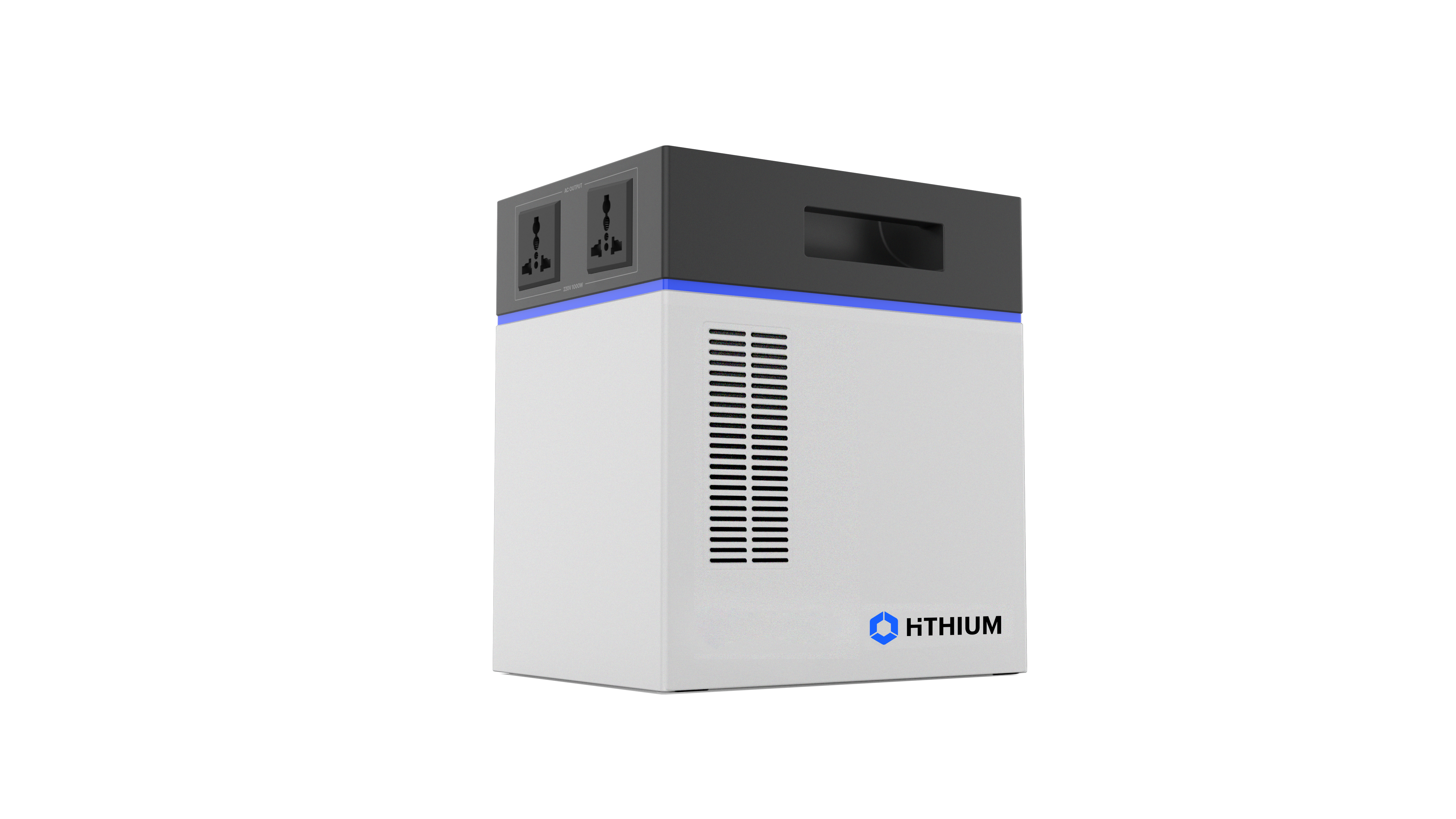
HiTHIUM provides integrated systems and services that put these strategies into practice across scales.
