
A Field, A Crowd, and a Bright Night
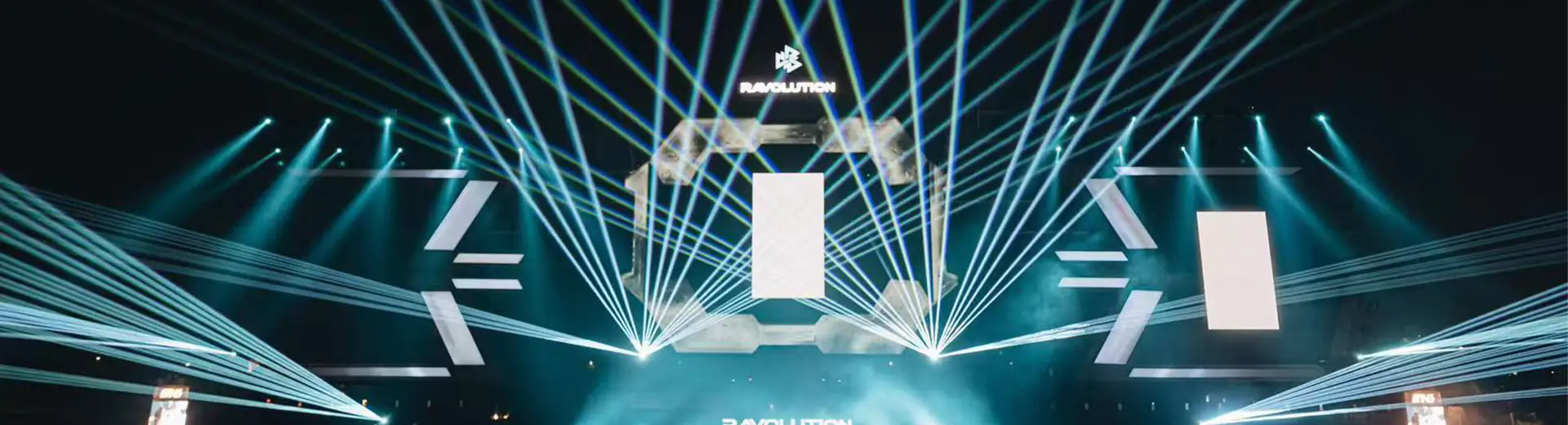
I’ve set up shows in muddy fairgrounds where the wind bites and cables freeze. Laser lights were the star, but the crowd cared about one thing: could they see clean beams cut through the haze. Last season, we tracked how often rigs underperform. About 27% lost punch from bad power converters, and almost a third showed sloppy beam divergence by midnight. So here’s the real question: why do some setups sing while others fizzle out under the same sky? I keep a simple rule in my pocket—start with solid laser light equipment, then tame the weak links (rain, heat, and jitter).
We’ll walk through what folks miss, why it matters, and what’s next. Stick with me, and we’ll make those beams stand tall.
Hidden Snags in Common Rigs—and the Fix
Why do beams wash out?
Let’s keep this plain and technical. Most washout starts with beam divergence, not just power. If your galvanometer scanners drift or run hot, the spot blooms. Then fog turns to glare. DMX512 timing hiccups add jitter, and poor grounding makes it worse—funny how that works, right? Look, it’s simpler than you think: start with tight optics, steady scan speeds, and honest cabling. When laser light equipment hits long throws, even a 0.5 mrad difference matters. Small parts count. Cooling fans, thermal pads, and clean ILDA signal paths keep beams crisp. If your power rails sag, those galvos won’t hold linearity. The picture bends. The fix starts with verifying the signal chain and stabilizing the supply.
Here’s the part folks skip. Your rig is a small system. Each box feeds the next. If the power converters float, noise sneaks into the drivers. If the case lacks an IP65 rating, humidity creeps in and fogs mirrors. You don’t need fancy talk to cure it. You need checks: scan angle at show temp, mirror inertia, and fan curve under load. Keep beam alignment tight, and keep your cabling short. It’s farm work with tools—steady, measured, repeatable.
Comparative Look Ahead: Smarter Control, Cleaner Light
What’s Next
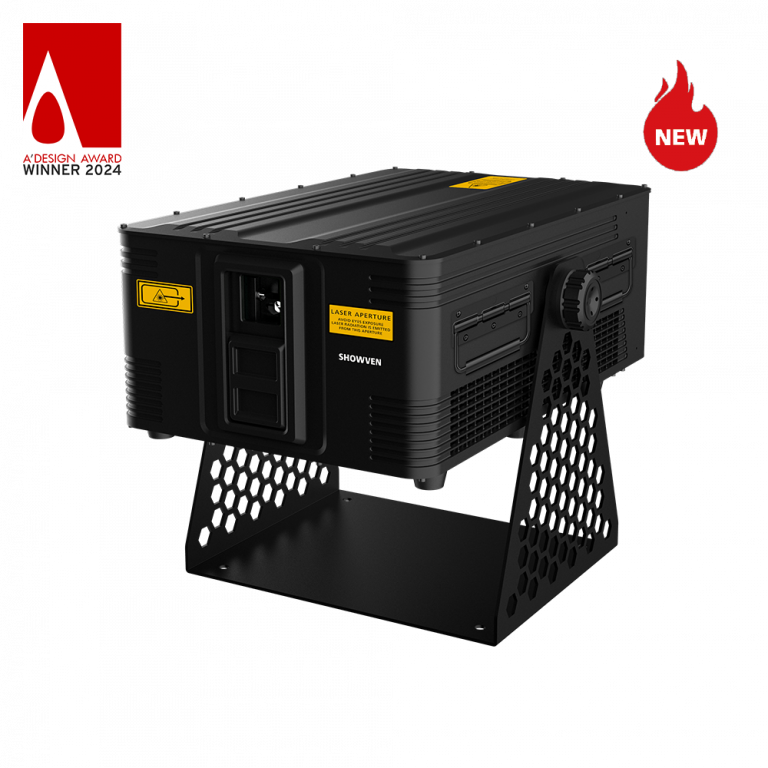
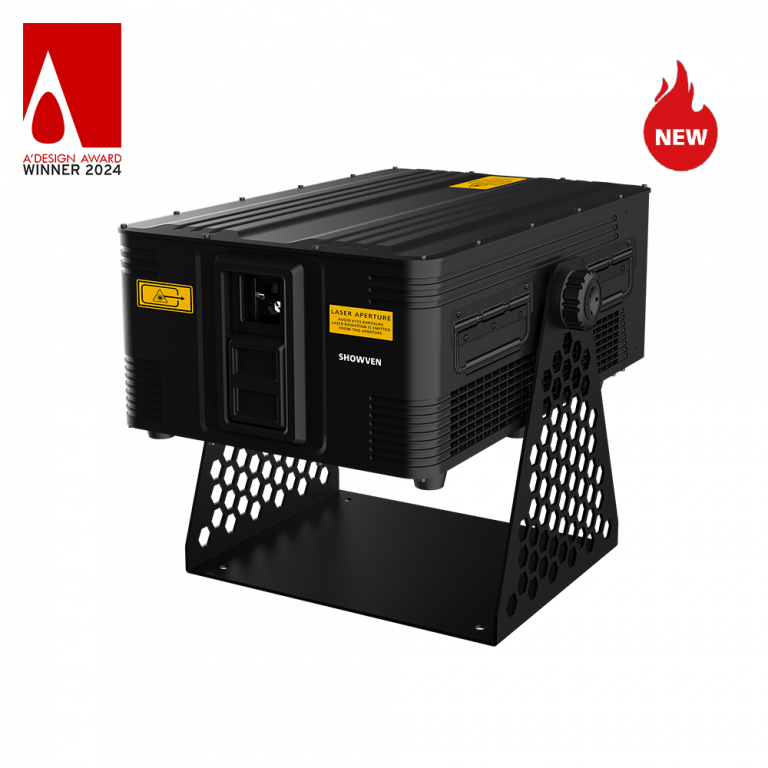
Now let’s look forward and compare old habits with new tech. The old path leans on brute power and hope. The new path leans on control. Adaptive beam shaping trims divergence at the source. Modern galvanometer drivers watch current and heat in real time. Edge computing nodes near the stage handle cue logic without lag, so DMX handoffs stay smooth. A good laser light display projector now pairs sealed optics with active thermal management, so the first song looks like the encore. And that matters when the wind turns or the haze changes. You want repeatable math, not luck.
Case in point. Two rural shows, same crowd size, same haze. The first rig pushed raw wattage and wide scan angles. Beams faded by the third act. The second rig used tighter optics, smarter power converters, and IP65 housings. It held shape till final cue—funny how planning beats muscle, right? So here’s how to judge your next step without fuss. Use three checks. One: beam divergence under load (aim for sub-1 mrad at your working scan speed). Two: scanner stability at show temperature (watch for linearity drift at your actual scan angle). Three: environmental fit—IP rating, cable runs, and airflow for the venue. If these three line up, the rest falls into place. Keep it straight, keep it steady, and the light will do the talking. For reference and further reading, see Showven Laser.
