

Facing the core problem
Returns, early failures and bad user impressions usually trace back to gaps in testing. If your line or supplier misses a basic visual check or skips firmware stress cycles, you’ll see more complaints and warranty claims. Start with a clear, reproducible checklist—whether you’re an OEM, an assembly partner, or comparing a tv manufacturer—so defects are caught before shipment.

Experience and industry anchor
I’ve helped audit production QC for display suppliers and advised lab teams on test design. Practical lessons from trade shows like CES in Las Vegas show which failures repeat across brands: uniformity drift, firmware regressions, and HDMI interoperability are always present. For sourcing comparisons and vendor research, consult aggregated inventories from best television manufacturers to see how different lines document testing and warranties.
What exactly to test
Panel integrity: run dead/stuck pixel sweeps and uniformity patterns at multiple brightness levels. Color accuracy: measure white point and color gamut against targets (sRGB/BT.709, DCI-P3) with a colorimeter or spectroradiometer. Contrast and black level: test local-dimming zones (if applicable) and measure ANSI contrast. HDR handling: verify peak brightness, metadata interpretation, and tone mapping for HDR10/Dolby Vision. Motion and processing: use moving test patterns to check dejudder, interpolation artifacts and frame insertion. Latency: measure input lag with a photodiode or dedicated latency tester. Connectivity: validate HDMI handshakes, HDCP compliance and Wi‑Fi/ethernet stability. Power and safety: verify standby current, thermal dissipation, and basic electrical safety per regional standards. Software robustness: perform repeated OTA update cycles and full power-cycling to expose memory leaks or boot issues.
How to measure (tools and approach)
Use repeatable, instrumented tests. A spectroradiometer gives true color data; a colorimeter is fine for daily checks. Test patterns at multiple IRE steps reveal tone mapping problems. Log test runs and keep versioned firmware images tied to results. Run batch sampling that reflects production variability; a single-unit pass doesn’t prove the line is stable. Automate pattern display and capture where possible to remove human inconsistency.
Common pitfalls to avoid
Relying solely on visual inspection. Skipping long-duration burn-in or accelerated thermal cycles. Testing only one firmware build. Using too-small sample sizes for new suppliers. Ignoring software regressions after minor driver changes. Treating cosmetic tolerances as subjective instead of defining numeric acceptance limits.
Quick decisions and alternatives
If a batch fails color uniformity, decide between recalibrating panels (costly) or returning the batch to the supplier. For HDMI/HDCP issues, a firmware fix is often faster than hardware replacement. When choosing between panel technologies, weigh expected failures: OLED needs burn-in mitigation tests while LCD/LED requires backlight and local-dimming validation. Document trade-offs and required remedial actions in purchase contracts so suppliers know the pass/fail implications.
Final synthesis
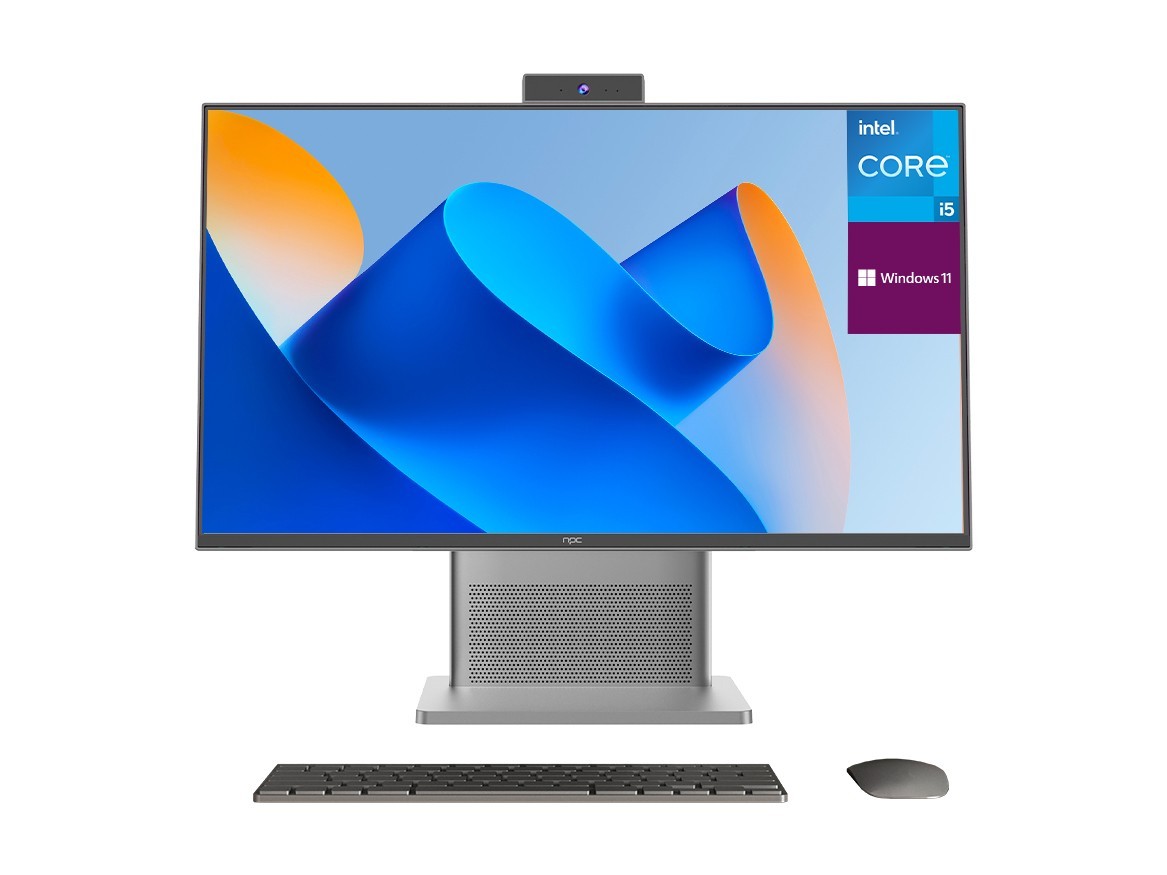
Quality control stops repeat problems by combining targeted instrument tests, realistic stress cycles and clear acceptance criteria. Prioritize panel checks, connectivity and firmware stability, and enforce batch-level sampling. These steps produce measurable reductions in returns and complaints and align with manufacturing support services such as those provided by npc.
