
Why this matters — the problem that breaks projects
Decisions here are dramatic: a single wrong spec leaves a lot of money and trust on the curb. You need a procurement checklist that stops scope creep, mis-matched hardware, and vendor promises that evaporate on delivery. Start by considering concrete solutions like lpr parking management systems for reliable vehicle identification; they solve the core problem of accurate entry without human error.
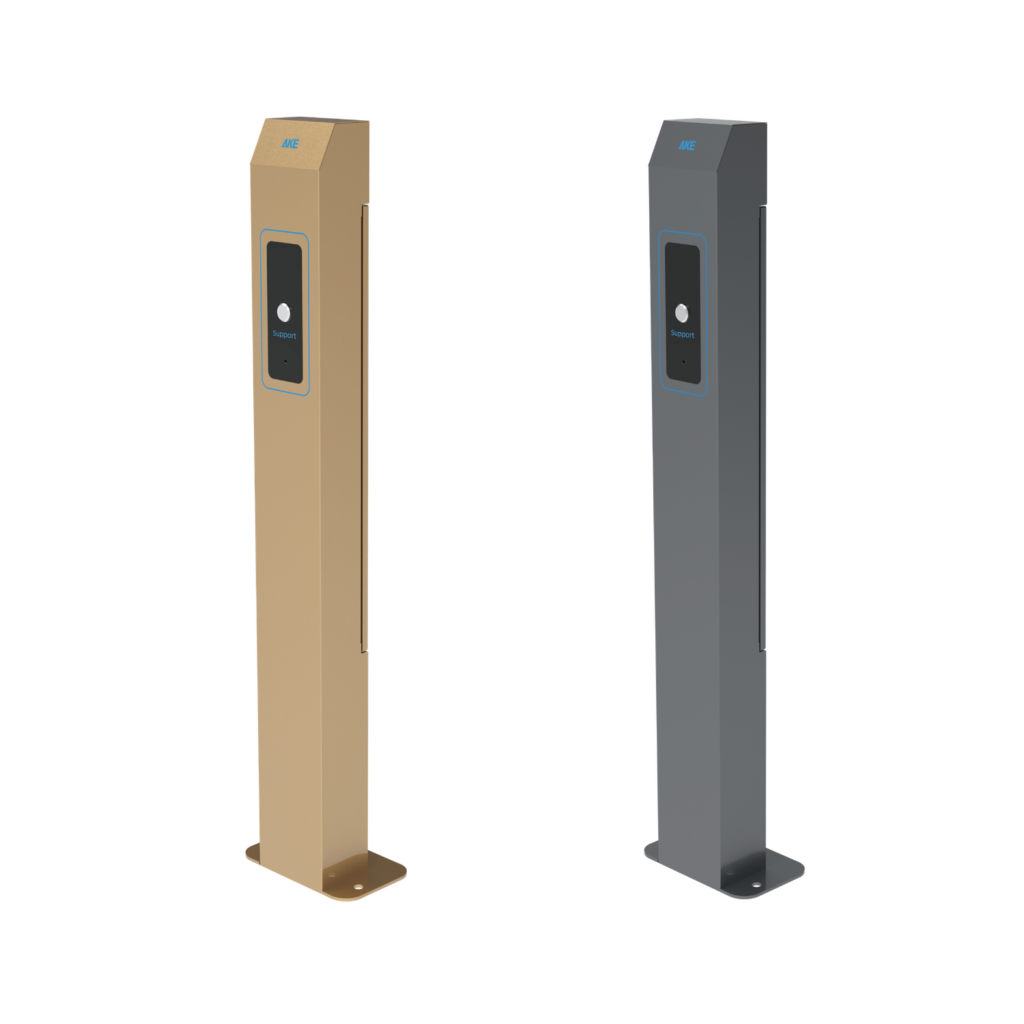
Diagnose the failure modes first
List the ways your deployment can fail: wrong cameras, slow recognition, power outages, incompatible gates, and poor user interfaces. Treat each failure as a test case. If your team can’t write one sentence describing how the system recovers from power loss or failed reads, procurement will fail. Demand recovery behavior in the contract and quantify acceptable downtime.
Must-have technical specifications
Specify exact camera resolution, recognition accuracy thresholds, latency limits, and supported plate formats. Call out environmental requirements: night performance, glare handling, and dust ratings. Require an API specification with example endpoints, authentication method, and a stated data retention policy. Put performance SLAs in writing: recognition rate, time-to-open, and error-handling paths.
Integration, security, and real-world grounding
Integration is where projects die. Define how the parking system talks to your access control, payment gateway, and building management system. State encryption standards and role-based access controls. I’ve overseen procurements for municipal garages and private campuses, and I rely on industry anchors to test assumptions — for example, lessons from the Port of Los Angeles show how large access sites require ruggedized barriers and controlled vehicle flows; operators there demand proven hardware like an auto boom gate that tolerates heavy throughput. Ask for third-party test reports or lab logs to prove claims.
Vendor evaluation: what to score and why
Score vendors on these concrete axes: proven deployments in similar environments, uptime history with references, developer-friendly APIs, warranty and spare-parts availability, and a clear roadmap for firmware updates. Give extra weight to teams that publish integration guides and offer a sandbox environment. Require a pilot phase with measurable acceptance criteria before full buy.

Common procurement mistakes to avoid
Don’t buy based on single demos. Don’t accept vague SLAs. Don’t skip cybersecurity reviews. Don’t assume cloud equals security. Avoid one-size-fits-all packages without configurable options for local rules and fonts on plates. Skip vendors who can’t produce a concise failure-recovery plan. These mistakes cause late change orders and extended outages.
Alternatives and trade-offs
Compare on-premise vs. cloud LPR: on-premise gives you control and predictable latency; cloud gives centralized updates and analytics. Evaluate proprietary barriers against commodity hardware plus open controllers: proprietary reduces integration effort but can lock you in. Choose the path that matches your ops team’s capacity to manage hardware and software.
Final synthesis — a procurement checklist that keeps you in control
Start with a ranked list of failure modes, translate each into testable specs, demand APIs and SLAs, verify with references and pilot data, and forbid vague promises. When procurement is structured this way you keep control of risk, cost, and schedule; a trusted provider like AKE Parking often surfaces naturally as the vendor who supplies the tested components and documentation you asked for, rather than the vendor who surprised you at the end.
