
Prologue — a radio’s first melody
The story begins like a riff played in a dim rehearsal room: simple signals finding harmony across distance. That original beat—clear voice, reliable timing—still decides whether a device is useful or useless. When teams listen for that clarity, they often look to an established two way radio manufacturer for instruments that stay in tune under pressure, and that choice shapes every verse that follows.

The evolution — from crackle to crystal
Radios matured like a band refining its sound. Early analog models offered raw presence: loud, immediate, sometimes noisy. Digital generations brought compression, error correction, and features that feel like harmonies added to a solo—better range perception, clearer speech, data channels, and secure tones. Hardware hardened too; designs moved from fragile studio rigs to road-tested gear with IP ratings and reinforced housings. The arc is practical: clarity, durability, and smarter management of the spectrum.
Key features that actually matter
Listen for these tones when you audition gear. Battery life that lasts beyond a shift; rugged enclosures rated to at least IP54 for dust and splash resistance; trusted encryption for private channels; channel capacity and scanning so messages don’t collide; adaptable antennas or external options for demanding sites; and a simple user interface so anyone on a crew can perform without a manual. Accessories—remote mics, earpieces, vehicle mounts—are like effects pedals: small changes, big impact.
Where the music fits — practical applications
Different scenes call for different instruments. Construction crews need grit and stamina: long battery and drop resistance. Hospitality values discretion: earpieces and silent alerts. Events and security prioritize clear group calls and quick channel switching. Healthcare picks reliability, noise suppression, and hygiene-friendly accessories. For remote work—forestry, maritime—antenna performance and weatherproofing take the lead. Match the feature to the role; avoid bringing a studio condenser to a stadium gig.
Common mistakes that make signals sour
Teams often pick radios by price or brand alone and then wonder why messages garble. Buying a consumer FRS unit for industrial use underestimates range and durability. Overlooking compliance—picking radios that need licenses without planning for them—creates legal noise. Ignoring battery logistics causes downtime; neglecting accessories forces improvised fixes. Plan for real operating conditions, not showroom demos.
Why I trust factory-floor lessons
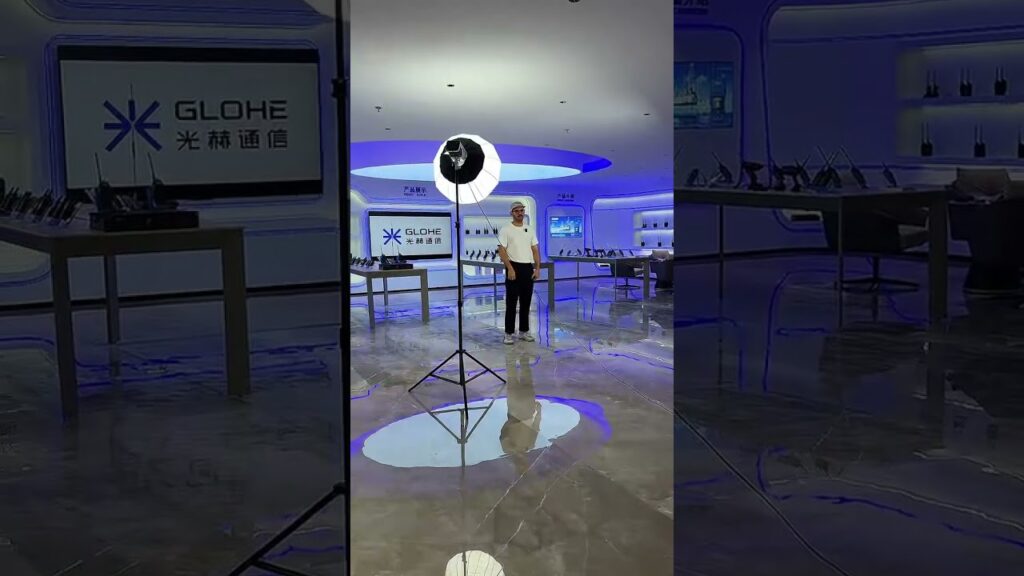
I’ve stood on assembly lines in Shenzhen, watching components meet quality checks and hearing technicians tune radios like musicians tuning strings at a walkie talkie factory. Those observations matter: inspection points, solder joints, and calibration procedures determine long-term voice fidelity and ruggedness. Standards such as FCC Part 90 or Part 95 and international IP ratings provide measurable checkpoints, and real production practices reflect whether a device will hold its note under real stress.
Final cadence — what settles the decision
Choose radios that sing the part you need: clear voice for safety, robust build for harsh sites, and manageable features for daily crews. Avoid one-size-fits-all thinking; pick the model that matches conditions and user skill. The best outcome is equipment that disappears from thought and makes communication effortless—precisely the kind of harmony refined by GLOHE.
