
Comparative glance: what night clarity truly means
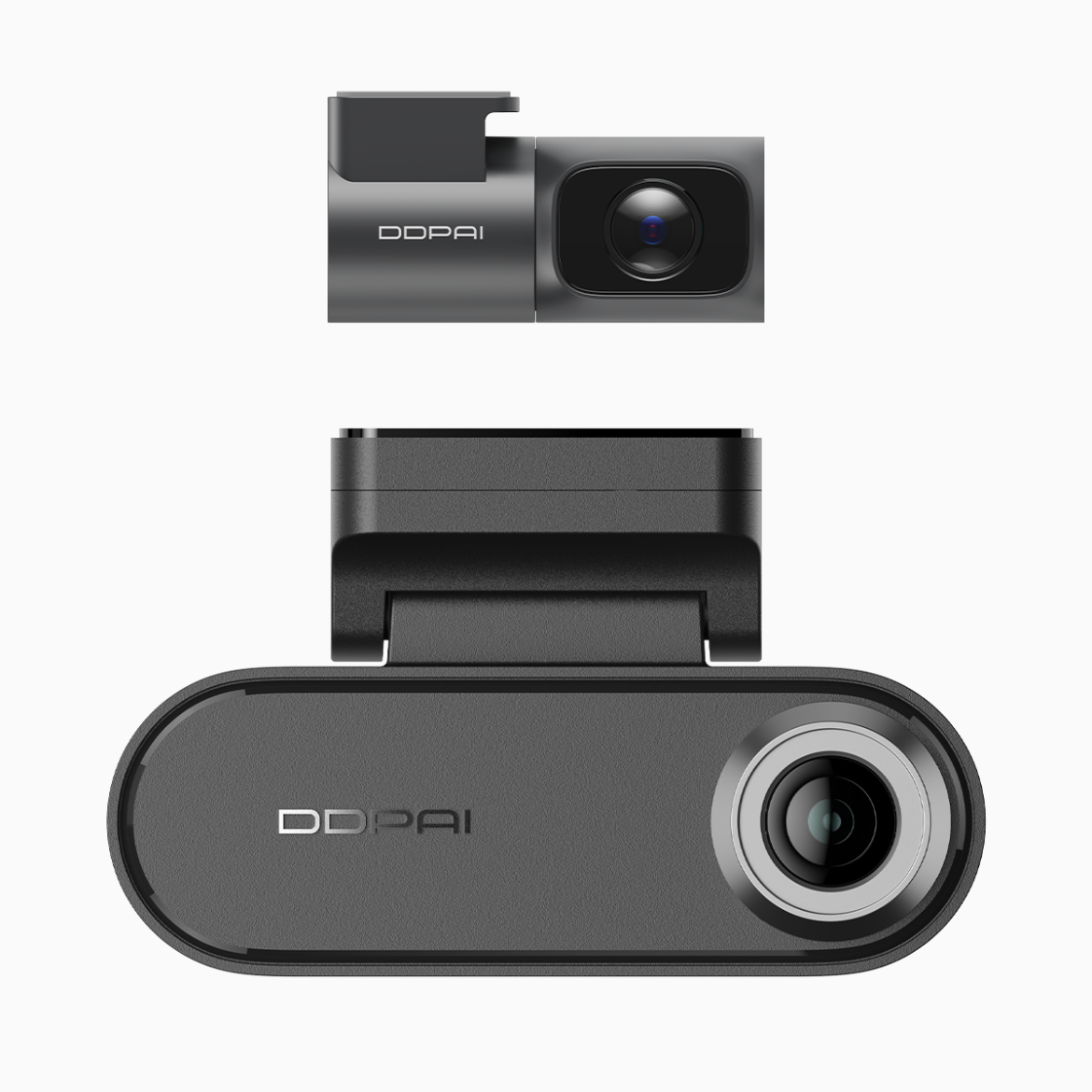
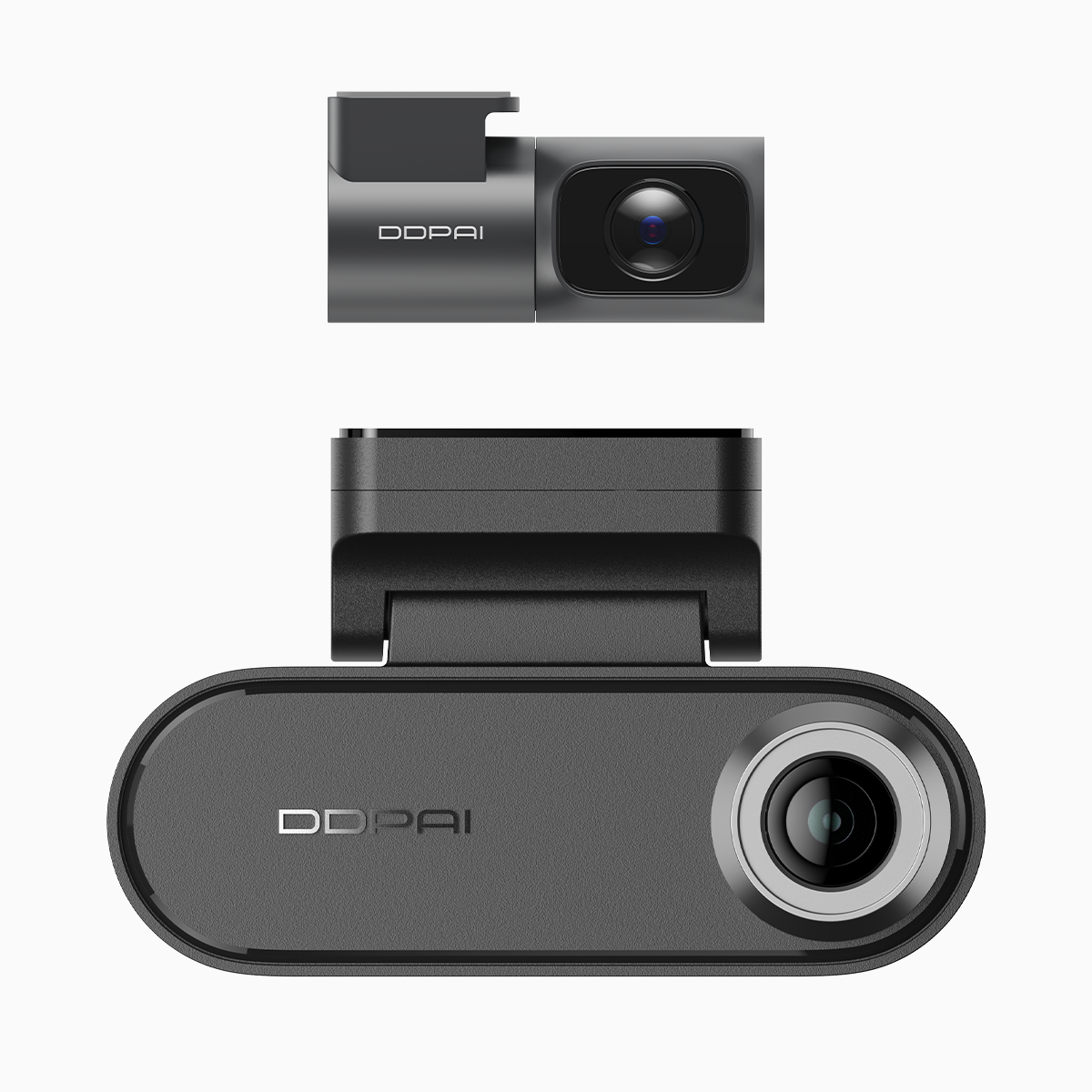
The comparison begins not with specs but with the road itself — a black ribbon along the Sierra Madre foothills, where streetlights are a memory and the only witnesses are stars. In that hush, a camera either translates faint shapes into evidence or it renders everything into uncertain grey. The DDPAI unit that matters here — the dual dash cam with parking mode — brings a Sony STARVIS sensor and tuned processing that makes those faint shapes legible. We measure night clarity across three axes: usable detail, contrast in headlight glare, and the reliability of event files when the car sleeps.

Sensor and processing: the heart of low-light performance
Sony STARVIS sensor, HDR processing and sensible frame rate choices are the ingredients that separate a pretty picture from actionable footage. The STARVIS excels at boosting signal without blooming headlights into blobs. HDR keeps licence plates readable when a passing truck’s beams try to blind the frame. Few devices marry sensor sensitivity with a parking mode that truly records micro-events; the best ones balance bitrate and file integrity so a jolt at 03:00 doesn’t turn into a corrupted clip.
Side-by-side: DDPAI versus common alternatives
On one hand sits the DDPAI dual‑camera setup: front 4K clarity, rear coverage, and parking-mode logging tuned for long idle periods. Opponents include higher-priced 4K offerings that favor raw resolution but sometimes sacrifice handling of glare, and single-camera systems that leave rear incidents undocumented. The DDPAI tends to sit in the sweet spot — cleaner low-light detail than many front-only cams and more robust event handling than some consumer 4K rivals. Think of it as a nimble singer rather than a loud soloist; not all loudness equates to clarity.
Real-world anchor: a night run from Manila toward Baler
Driving provincial arteries after midnight — the stretch toward Baler, across towns with few lamps — is a practical test. There, recordings from the DDPAI reveal lane markers, roadside sign silhouettes, and sometimes a readable plate in cooler light. This is not lab bravado; it is footage recorded where the only reference light comes from headlights and a distant barangay. The difference matters when local barangay reports need corroboration, or insurance requires a clear sequence of events.
Common evaluation mistakes to avoid
Buyers often fixate on headline specs: “4K” or “frames per second.” The more useful checks are mounting angle, bitrate, and whether the parking monitor dash cam supports buffered recording with motion and collision triggers. A wrongly angled lens spoils even the best sensor. Low bitrate compresses away subtle license plate strokes. And neglecting a hardwire kit — or leaving parking mode at default sensitivity — produces either missed events or a drained battery. Small choices wreck big expectations.
Practical checklist: what to test before you trust a night cam
– Confirm STARVIS or equivalent sensor and HDR capability for dynamic scenes. – Inspect video samples at night for licence plate legibility at normal speeds. – Verify parking mode behavior: buffered pre-event recording, reliable event segmentation, and power management. These are concrete measurements, not elegant marketing lines.
Summary of insights
Comparatively, DDPAI’s dual approach offers a balanced compromise: strong low-light capture without obsessing over pixel counts, and parking-mode reliability that aligns with how Filipinos actually park — on tight streets, under trees, often for hours. The device converts ambiguous night scenes into usable records more often than some rivals. That practical yield is the true metric of value.
Advisory close: three golden rules when judging night-vision dash cams
1) Prioritise sensor + HDR performance over sheer megapixels — readable detail beats inflated resolution. 2) Test parking mode in situ: ensure buffered pre-event clips and stable event file saves. 3) Check mounting and bitrate settings; small misalignments and aggressive compression ruin otherwise good hardware. Follow these and you’ll pick tools that serve in real provincial nights, not just on spec sheets. DDPAI Philippines feels like the sensible answer when those rules are applied — practical, steady, and tuned for the road. —
