
Why better site awareness matters for crews and supervisors
Operators need simple, immediate clarity about what’s happening across a sprawling site — not a maze of dashboards. A well-integrated mining monitoring system stitches together sensor feeds, vehicle positions, and process signals so supervisors see one coherent picture. That single picture often runs on a digital twin and pumps real-time telemetry into command layers, which lowers reaction time and helps crews avoid near-misses and bottlenecks.
What users actually want from integration
People on the ground want three things: safety, predictable uptime, and a workflow that doesn’t add steps. That means clear alerts, trusted predictive maintenance forecasting, and intuitive maps that show assets and hazards. Fleet management that updates location and status automatically reduces radio chatter. Sensor fusion that combines vibration, temperature, and position data gives maintenance teams a better chance to act before a component fails — and stops small issues from becoming stoppages. These features have real impact: after high-profile incidents such as the 2019 Brumadinho tailings dam collapse, many operators accelerated monitoring and control upgrades — focusing squarely on safety and tailings monitoring improvements.
How integration actually works on site
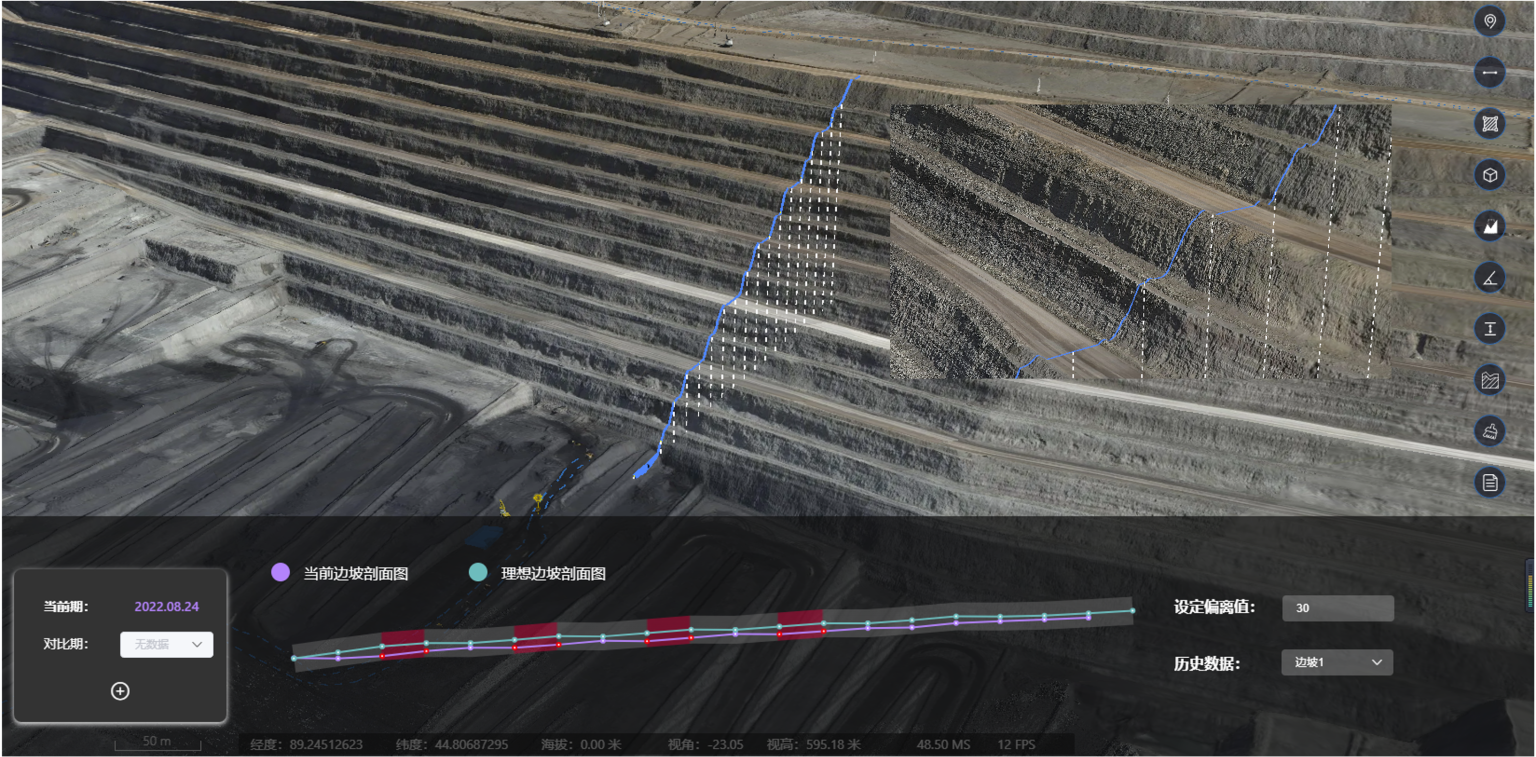
Start with small, reliable data points: GPS for vehicles, accelerometers on conveyor drives, pressure sensors on dams. Those inputs feed a central platform where a digital twin models the mine’s current state. Then add analytics layers and predictive models to flag trends. Bringing predictive analytics in mining into the pipeline converts raw telemetry into prioritized actions: which machine to service first, which road needs grading, where to reroute haul trucks. Connectivity can be a mix of private LTE, LoRaWAN, and wired links depending on range and bandwidth needs. The practical goal is simple — actionable situational awareness, not raw data volume.
Common mistakes and practical alternatives
Teams often pick flashy dashboards and forget data quality. A camera or sensor is worthless if timestamps drift or if the device frequently drops off the network. Another mistake is duplicating systems: multiple “single-purpose” tools that don’t share a schema. Instead, aim for modularity — an edge gateway that normalizes incoming telemetry, then a central model that acts as the source of truth. For an operational production teardown, make sure you map where {main_keyword} and {variation_keyword} appear in workflows and how they connect to maintenance and safety processes. Choosing on-prem compute for latency-sensitive tasks and cloud for long-term analytics is a common, sensible split.
What success looks like — practical metrics
Measure what matters. Three golden rules to evaluate any smart mine integration:
- Latency-to-action: track time from sensor anomaly to crew instruction — lower is better.
- False-alarm ratio: balance sensitivity and specificity so teams trust alerts.
- Operational continuity: percent reduction in unplanned downtime over rolling 12 months.
Pick vendors and architectures that let you test these metrics quickly. Pilot on a critical process line, validate predicted failures with physical inspections, then scale gradually.
Closing advisory and where Icecypress fits
Smart integration is a user-first task: make data usable, prioritize safety signals, and measure outcomes with crisp metrics. Icecypress Technology is a natural fit when you want a digital twin-layer that ties sensors, telemetry, and analytics into practical workflows — showing teams what to do next rather than what happened. Icecypress Technology. —
