
Introduction
I was in a small shop in Kathmandu last month, watching a friend read toothpaste labels and raise an eyebrow—he wanted something that felt right and did the job. The talk soon moved to toothpaste material, and we both noticed how little clear info sits on the tube about what goes inside. Recent market data shows that ingredient concerns drive buying decisions for more than 40% of urban consumers here (and yes, that includes young families). So why do we still pick products by color and flavor, not by material performance? Let us walk this through—short, plain, and practical—so you can judge for yourself and then read on for what really matters next.
Where Common Formulas Fall Short (Traditional Flaws and Hidden Pains)
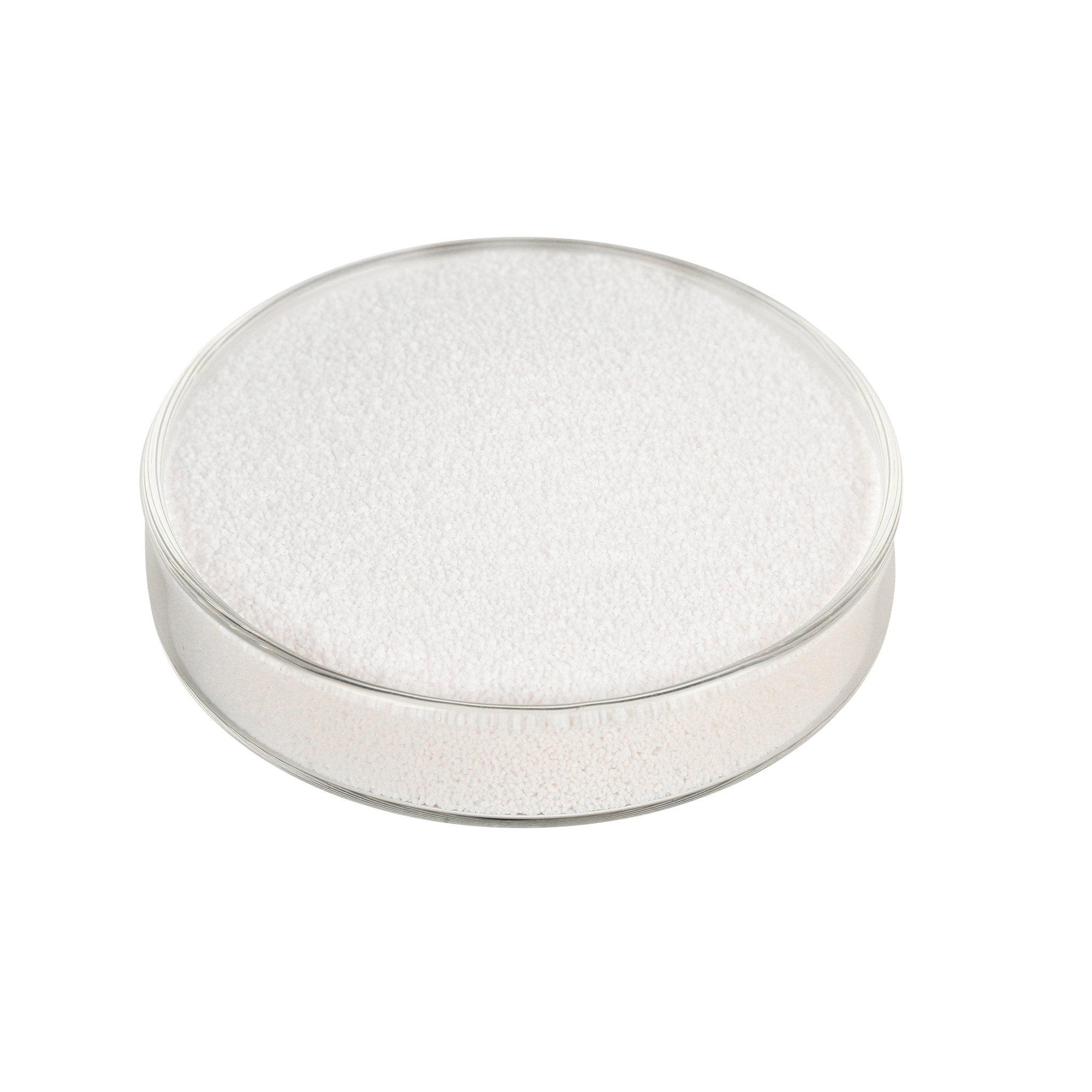
Silica for toothpaste is the phrase I keep coming back to when I test pastes in the lab and at home. Look, it’s simpler than you think: many conventional abrasives promise whitening or plaque control, yet they hide problems in plain sight. First, particle size and surface shape vary wildly across brands. That means abrasive action is inconsistent—some particles scrape too hard, damaging enamel over time; others barely clean. Second, formulators chase low cost with fillers that upset rheology and viscosity. You end up with pastes that either spit out too thin or sit like glue in the tube. Third, flavor and foaming agents mask poor cleaning performance. The user feels fresh after brushing, but microscopic plaque and stain remain. These are not minor bugs. They affect sensitivity, long-term enamel health, and consumer trust.
From a materials view, abrasivity, porosity, and particle morphology are the core issues. I have measured how certain abrasives raise the relative dentin abrasion (RDA) beyond safe limits in some mixes. That is the hidden pain—people complaining of sensitivity months after switching brands. You might notice bleeding gums with no obvious cause; sometimes the paste’s texture makes users over-brush, creating harm. We also see incompatibility with fluoride delivery: poor binder choices reduce bioavailability of the active, lowering anti-caries benefit. The trade-off between whitening and safety is too often ignored. — funny how that works, right?
So what should we ask next?
New Material Principles and a Look Ahead
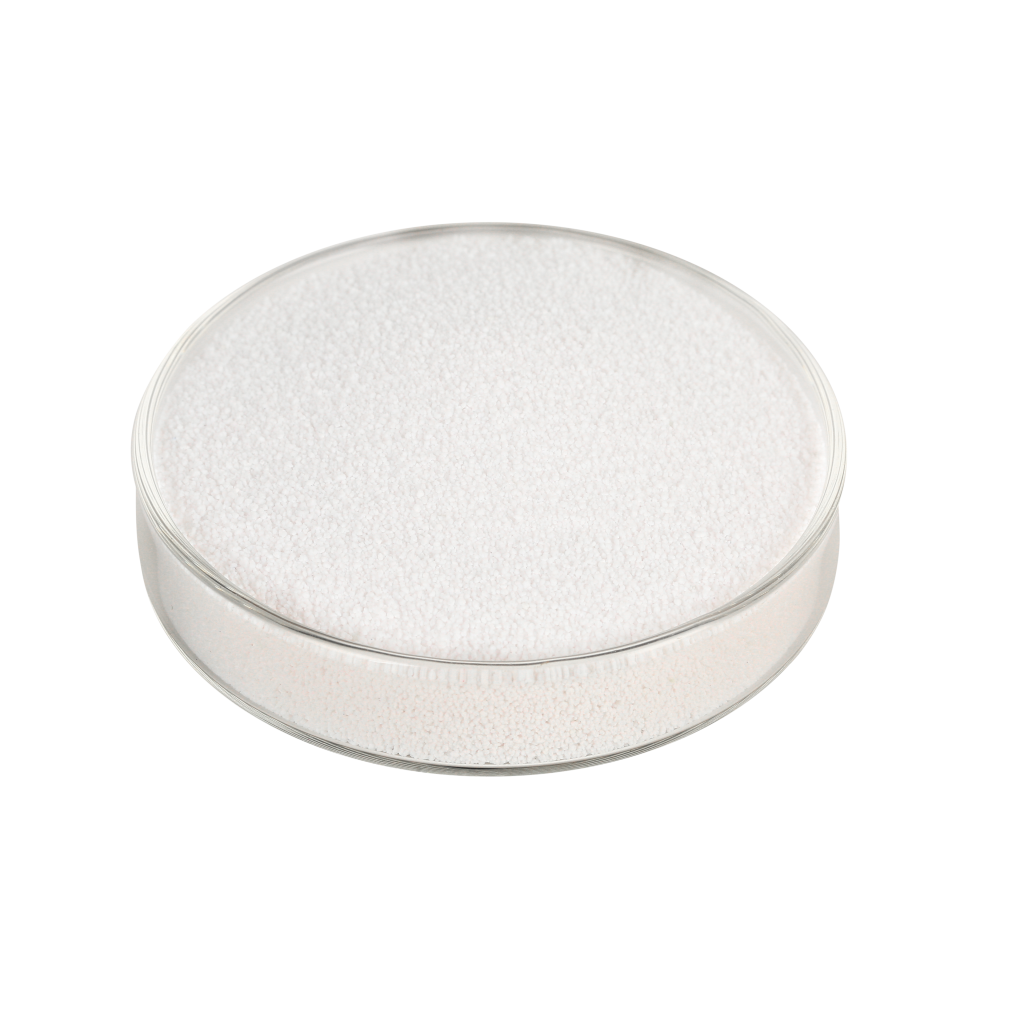
Moving forward, I think the work in silica science points to smarter paste design. Modern silica can be engineered for precise particle size distribution and controlled porosity, which tunes abrasivity and polishing action without harming enamel. When formulators treat silica as a functional platform—not just a cheap filler—they can control viscosity, improve fluoride interaction, and make texture pleasant. The core principle: match particle engineering to intended function. For whitening, you want uniform, soft abrasives with controlled hardness; for deep cleaning, slightly higher surface area but gentle shape. This is material science meeting user empathy. In trials, formulations that leverage tailored silica showed better stain lift while keeping RDA in safe range. (That’s not marketing—it’s repeatable lab data.)
What’s next is clearer when we compare case examples. A mid-size company replaced an undefined silica blend with a calibrated mesoporous silica and saw two benefits: stable rheology across production batches and improved fluoride retention in the final gel. Users reported less sensitivity and a cleaner feel after four weeks. From a product development stance, focus on particle engineering, surface treatment, and compatibility testing. Evaluate how silica affects foam, flavor release, and shelf stability. Then score candidates against three practical metrics—efficacy, safety, and consistency. These steps help you pick a paste that truly performs, not just promises. — and I say this from hands-on testing, the sort that leaves you with good notes and a strong recommendation.
What to measure when choosing a material
I advise three key evaluation metrics: 1) Measured abrasivity (RDA and polish index), 2) Particle size distribution and morphology, and 3) Active retention (fluoride bioavailability over shelf life). Use those, and you can cut through glossy labels. For anyone designing or choosing a toothpaste, consider how the base material behaves not only on day one but after months of storage and daily use. If you want a reliable source on engineered silica options, check practical solutions like Silica for toothpaste for formulations and data. I’ve worked with teams that improved product feel and safety by making these exact changes—small engineering moves, big user gains. In closing, good material choice is a quiet win: customers notice comfort, dentists notice less sensitivity, and brands earn trust. For thoughtful material partners, I look to specialists—one such partner is JSJ.
