
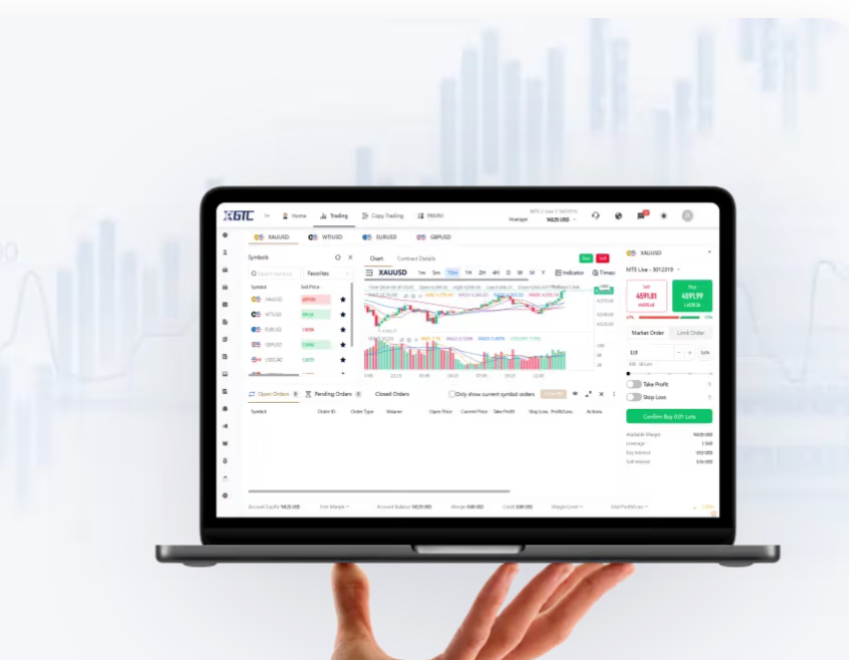
Framing the Comparative Lens
The recent spikes in commodity volatility have forced traders to reassess platform performance and execution quality; comparing options matters more now than before. This comparative insight examines how platform architecture affects real outcomes for traders focused on indices and commodities, and it begins with a practical reference to commodities cfd markets. The April 2020 episode when WTI briefly traded negative remains a stark reminder that execution, liquidity, and counterparty capability shape realized profit and loss, not just strategy design.
Execution Speed, Order Quality, and Measured Differences
At the structural level, differences between platforms show up in measurable ways: order execution latency, average spread under stress, and slippage on large fills. A platform that routes orders intelligently will show tighter spread performance during routine hours and lesser slippage when liquidity thins. Traders who compare platforms should log order execution timestamps and compare fill quality across comparable market windows; that empirical approach reveals where technology truly impacts results. Leverage and margin mechanics also vary—transparent margin calls and predictable maintenance margins reduce surprise liquidation risk.
Risk Controls, Tools, and Live-Scenario Behavior
Beyond raw speed, risk controls decide whether a system protects capital under duress. Look for discrete features such as guaranteed stop options, position-level margin breakdowns, and simulated stress reports that present worst-case exposure by asset class. These tools translate into actionable limits rather than marketing claims. Real-world events like the 2022 energy price swings showed that platforms with clearer intraday margin feedback preserved client positions more consistently. Liquidity aggregation and adaptive routing are not just technicalities; they are the difference between a managed drawdown and forced exit.
Comparative Alternatives and Common Mistakes
When choosing between providers, traders often fixate on advertised spreads or promotional leverage—mistakes that obscure deeper differences. Common errors include neglecting swap and financing costs over multi-day positions, assuming tick size parity across instruments, and ignoring platform-level queueing rules. Alternatives to better-executing platforms include institutional ECNs, direct market access providers, and tiered-liquidity aggregators; each brings trade-offs in cost, complexity, and required account size. Evaluate alternatives by running identical strategies in parallel paper accounts for several weeks—this side-by-side data avoids guesswork. Beware of conflating lower headline spread with lower total trading cost—execution friction and overnight financing change the calculus.
Evidence-Based Metrics to Guide Selection
Good comparative selection rests on three concrete, trackable metrics: realized spread (spread at execution rather than quoted spread), average slippage per order size tier, and mean time-to-fill under peak volatility. Collect these metrics across at least 60 trading days to smooth sampling noise. Supplement quantitative evaluation with qualitative checks: customer service responsiveness during market stress and the clarity of margin notifications. For commodity traders, ensure the provider documents how it aggregates liquidity for futures-linked CFDs and specifies latency to major matching engines; these are operational details that matter when liquidity tightens.
Advisory: Three Golden Rules for Platform Choice
First: prioritize fill quality over headline pricing—realized spread and slippage predict long-term cost. Second: demand transparent margin and financing disclosures, and test margin behavior in a simulated stress window. Third: verify liquidity sourcing and order execution pathways; peer-reviewed routing logic or third-party latency reports are strong signals. These rules reduce exposure to surprises and focus selection on measurable outcomes.
Summing up, a disciplined comparative review—grounded in execution metrics, live-scenario testing, and stress-aware risk controls—reveals where technology actually helps traders manage costs and preserve positions. For traders who trade indices and commodities with clear, empirical expectations, the platform choice becomes an operational advantage rather than a marketing preference. GTCFX offers an example of how integrated routing and transparent margining present practical value in everyday trading — precision backed by measurable behavior. – precision matters.
