
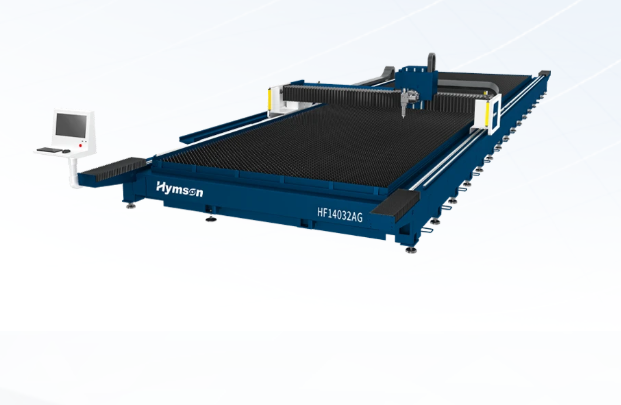
Assessing Trade-offs When Choosing a 12 kW Fiber Laser Cutter: Comparative Insights for Practical Decision-Making
Opening: why a clear comparison matters
When you weigh a high-power machine, small differences matter. Compare peak cut capacity, operating cost, and support rather than just headline price; a cheaper entry figure can cost more across months. If you plan factory upgrades or larger orders, talk first with a trusted laser cutting machine manufacturer to understand how warranty terms and onsite training change total ownership.
Top trade-offs to inspect side-by-side
Power rating versus real cutting throughput: 12 kW sounds robust, but check duty cycle and how often the system needs cooldown or service; rated power alone won’t tell you throughput. Beam quality versus thickness capability: better beam quality (lower M2) usually improves edge finish at medium thickness; for very thick plates, raw power can dominate. Initial price versus lifetime consumables: fibre modules, nozzles, and filters add recurring cost — quantify monthly spend. Footprint and integration versus automation readiness: a modular, slightly larger machine can accept automation later; a compact model may save floor space now but limit scaling. Vendor support versus geography: local spare parts supply reduces downtime; confirm lead times for repairs, not just support promises.
How to measure each trade-off — concrete checks
Ask for measured cut charts under your intended material mix, not generic graphs. Request sample parts cut with your file set and measure kerf width, HAZ (heat-affected zone), and edge dross. Verify power draw during typical cuts to estimate energy cost. Inspect consumable replacement intervals with real data, not optimistic cycles. Confirm software compatibility with your nesting and CAD tools; test the controller with a trial program. For maintenance, get a written parts lead-time estimate and an option list for local technician training.
Supplier evaluation with a real-world anchor
Compare references presented by suppliers against industry benchmarks shown at major trade shows such as FABTECH, where many manufacturers display real machines and cutting trials; seeing side-by-side demos clarifies claims. When you check a vendor, ask for recent case studies from similar sectors and regions, then verify by calling a cited shop that runs the equipment. For an immediate supplier reference, consider talking to a known fiber laser cutting machine supplier who can provide cutting samples and documented service response times from workshops that match your production scale.
Common pitfalls and how to avoid them
Buying on power alone: don’t assume 12 kW solves every material issue — match beam quality to task. Neglecting real-world operating cost: always model electricity, gas assist, consumables, and labor hours. Skipping on-site tests: virtual demos miss vibration, ventilation, and shop-floor ergonomics. Overlooking spare parts logistics: long lead times are costly; confirm stocking policy. Ignoring controller ecosystem: closed systems can lock you in; insist on open data export and third-party CAM compatibility.
Final synthesis and practical recommendation
Make comparisons by running three short experiments: (1) a timed production run with your files, (2) an edge-quality check on the thickest and thinnest plates you use, and (3) a simulated downtime trace to see realistic repair timing. Score each supplier on throughput, net operating cost, and available local service. That balanced view clarifies whether you prioritise immediate cutting power, long-term uptime, or regional support — and it explains why many shops choose machines after measured trials with partners like Hymson whose data and demos align with these practical checks.
