
Introduction
I was stuck in a shopping center parking lot last week—two EVs ahead of me, both waiting for an open plug. It’s a small scene, but it tells a larger story: drivers want reliable, fast charging without surprises. The all-in-one charging station is supposed to be the neat answer—hardware, power management, and software bundled together—but adoption still bumps into real-life friction. Industry reports show charging demand rising fast and public frustration growing just as quickly (you’ve seen it, too). So how do we make these stations not just technically capable but actually useful for people on the move? Let’s walk through what I’ve noticed, what breaks down in the field, and what matters when you pick a system.
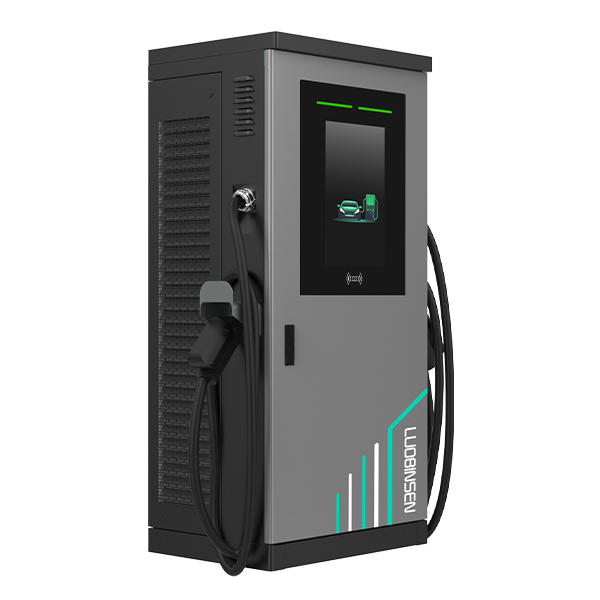
Deep Dive: Why Traditional Solutions Fall Short
electric vehicle charging equipment often promises seamless power delivery, but the reality is messier. I’ve tested setups where AC/DC conversion was under-specced, power converters overheated, and backend software lagged. The machine specs look good on paper—high kW output, smart meters, and claims of load balancing—but these features fail when components aren’t integrated around real user flows. In short: component-focused designs forget the user journey. That’s a design flaw, not a manufacturing one.
What exactly goes wrong?
Technically, these systems stumble on coordination. Charging protocol inconsistencies, weak thermal management, and poor firmware updates create outages or slowdowns. Edge computing nodes intended to reduce latency sit idle because the firmware isn’t optimized. Look, it’s simpler than you think: if the control software can’t talk to power converters in real time, performance dips. I’ve seen queues form while chargers negotiate session parameters—basic stuff that should be seamless. From my perspective, the fix is less about bigger hardware and more about smarter integration and testing under real load patterns.
Future Outlook: Adoption, Tech, and What to Watch
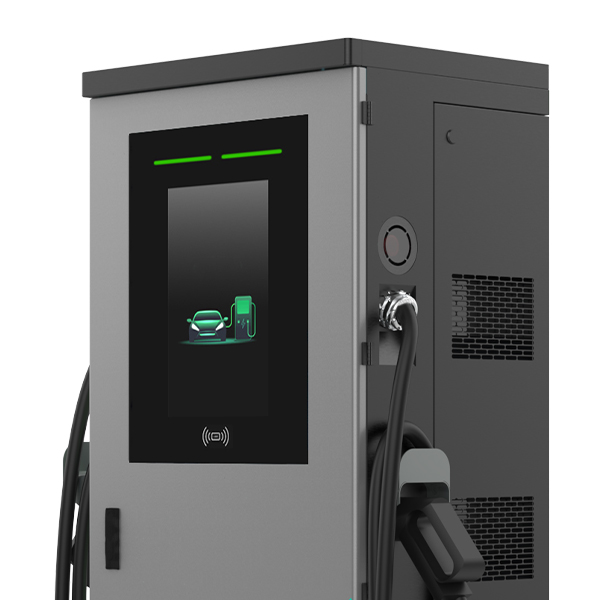
Moving forward, I see two clear paths: incremental improvement of integration, or a leap to new architectures that rethink the whole charging stack. Consider some real-world pilots with a high power ev charger setup—operators who paired better telemetry with adaptive load balancing saw faster session turnover and fewer billing disputes. That’s not magic. It’s better data, faster control loops, and clear user feedback in the app. We’re talking improved charging protocol handling, smarter AC/DC conversion strategies, and more reliable thermal controls. These are practical engineering moves that real teams can deploy now.
What’s Next?
Expect tighter coupling between hardware and cloud services—real-time diagnostics, predictive maintenance alerts, and dynamic pricing that actually reflects grid conditions. Also, standards are improving; interoperability will reduce corner cases where one charger misunderstands another’s session. — funny how that works, right? But let me be blunt: buyers should evaluate systems not just on peak kW, but on how well that kW is delivered over time under messy conditions.
To close, here are three practical metrics I use when advising teams: uptime percentage under real load (not just lab tests), mean time to recover from a failed session, and latency for control commands from backend to charger. Those three tell you whether a system behaves in the field. If you want a partner that understands these trade-offs, check out Luobisnen. I recommend teams try a staged rollout, measure the metrics above, and iterate—this is the path I trust based on hands-on work and customer feedback.
