
A quiet problem to wake us
I’ve seen calm control rooms falsely comforted by dashboards that show plenty of numbers but not the right ones. The problem is not more data — it’s the wrong signals and the gaps between them. For hybrid setups that rely on both storage and thermal backup, like a diesel battery (hybrid power system), operators need a short list of meaningful telemetry to prevent surprises, protect assets, and keep power available when demand shifts.
Which telemetry actually matters — a problem-driven shortlist
Focus on data that exposes failure modes and operational friction. Track these continuously and combine them for context:- State of Charge (SOC) and State of Health (SOH): SOC alone misleads unless SOH gives capacity trend and end-of-life hints.- DC bus voltage and current: reveal charging/discharging bias and detection of module imbalance.- Inverter output power and AC current per phase: necessary to see real-time load sharing and overload risk.- Power flow direction and energy totals (kWh): show cumulative reliance on storage versus grid or genset.- Cell/module temperature distribution and thermal gradients: single hot modules precede failures.- Cycle count and depth-of-discharge history: correlate with SOH decline.- Efficiency and charge/discharge round-trip losses: sudden shifts indicate degraded contacts, cabling, or control faults.- Alarm/event logs with timestamps and severity: the event without time is hard to act on.- Firmware and configuration versions: mismatches between units create subtle control conflicts.Collecting these points isn’t enough; correlate them so subtle trends stand out before they become incidents.
Why sampling, context, and timestamps fix the underlying problem
Bad sampling hides transient faults; inconsistent timestamps break root-cause work. Sample frequently enough to capture:- Fast electrical transients (sub-second to seconds) for protections and inverter stability,- Minutes for energy accounting and control strategy tuning,- Hourly/daily for lifecycle and degradation trends.Store both raw captures for incidents and summarized metrics for trend analysis. If an alarm trips, the raw window around that timestamp is where truth is found.
Integration headaches with on-site generation
Remote monitoring must show coordination between storage and prime movers. When a storage system shares duties with a diesel generator hybrid inverter system, monitor:- Genset run hours, loading, and ramp behavior,- Synchronization events and transfer timestamps,- Fuel consumption trends tied to dispatch logic.Without those signals, you can’t tell whether a storage dispatch avoided a genset start or simply postponed one until a worse moment. The goal is visible cause-and-effect, not just a list of starts.
Common pitfalls that create more problems than they solve
Operators often fall into traps that give a false sense of control:- Too many low-value alarms: people stop responding.- Single-point metrics without correlation: SOC drop looks bad until you see a scheduled heavy discharge.- Ignoring configuration drift: identical units running different firmware behave differently.- Overlooking security logs: a persistent control failure can be a misconfigured access right.Avoid these by pruning alerts, enforcing configuration baselines, and making sure security and control logs are part of routine checks.
Field lessons distilled from hands-on work
I’ve reviewed telemetry stacks on projects ranging from urban microgrids to remote installations on off-grid islands in the Philippines. The systems with the fewest surprises shared three practical habits: they logged high-resolution electrical data around every event, they tied operational alerts to maintenance workflows, and they treated communication health as a primary metric. Those habits reduce emergency responses and extend battery life.
Practical checklist — what to instrument first
Prioritize actions that close the biggest risk gaps:- Instrument SOC, SOH, DC bus, inverter AC per-phase currents, and temperatures.- Capture event windows (pre-, during-, post-fault) at high resolution.- Send concise, ranked alerts with recommended first steps.- Record firmware/configuration and communication status.- Map alarms to maintenance tasks and fuel-use trends so operations can act, not just observe.
Synthesis
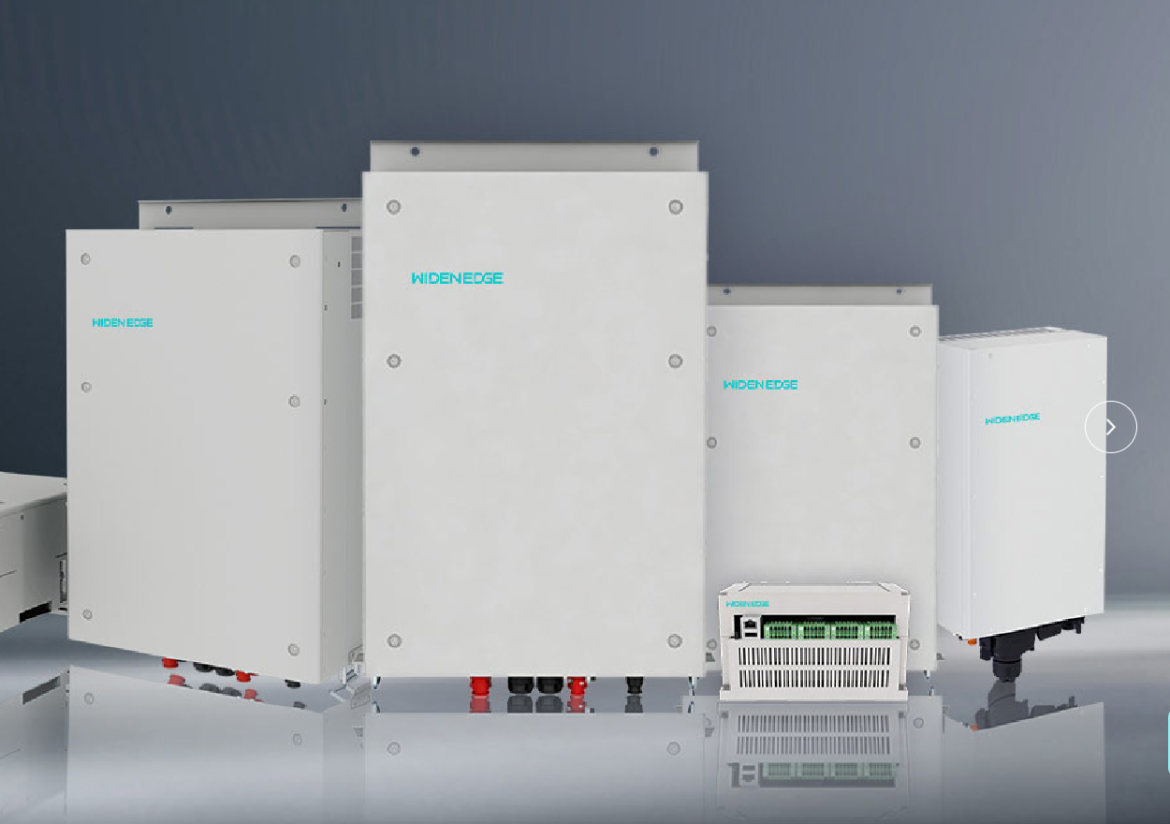
Data without context creates calm that collapses into crisis. A problem-driven approach trims the noise to signals that predict and prevent failure: charge state plus health, power flow plus timing, thermal profiles plus event windows. When those signals are organized into usable alerts and maintenance triggers, operators make better choices under pressure. That practical clarity is precisely what teams building and operating hybrid systems look for, and why partners such as WidenEdge are often involved—helping translate telemetry into actions that keep power reliable and equipment healthy.
