
Comparative opening and real-world anchor
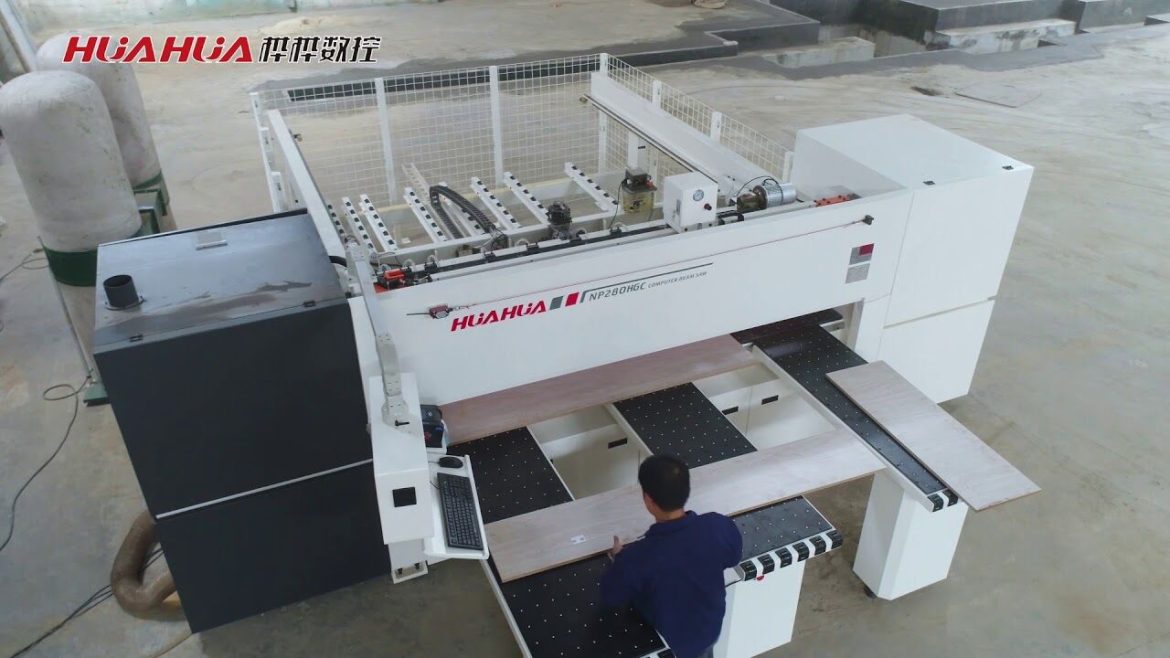
Across regional workshops the choice between manual cutting and automated processes shapes capacity, cost, and lead time. A small cabinet shop outside Boston that I visited replaced a tired beam saw with a modern cnc panel saw and saw predictable changes: fewer manual set-ups, tighter cutting accuracy, and steadier throughput during peak weeks. This comparison frames the rest of the piece — we will weigh real operational trade-offs, focusing on workflow, equipment, and measurable outcomes.

What an automated panel saw contributes to CNC workflows
An automatic panel saw standardizes cut-to-size operations and hands off repetitive tasks to controlled mechanical systems. Nesting software produces optimized sheet layouts; the saw’s feed system and servo motor handle consistent cycle times; integrated dust extraction keeps tolerances stable. The net effect is tangible: fewer interruptions for blade changes, consistent edge quality, and reduced rework. For regional manufacturers competing on short runs and fast turnarounds, those attributes compound into capacity gains without expanding the workforce.
Side-by-side: alternatives and where each wins
Compare three common options and their operational fit:
– Manual rip saws: low capital, flexible for odd sizes, but high labor cost and variable cutting accuracy.
– Beam or sliding table saws: robust and fast for long runs, yet they demand skilled operators and frequent fixtures.
– Automatic panel saws: better for mixed-batch production, stronger at nesting integration and throughput consistency.
Choosing among them depends on SKU variety, batch size, and available shop-floor skills. For a regional CNC cell that pairs routing with panel cutting, an automatic panel saw integrates more naturally with nesting outputs and reduces handoffs between stations.
Common integration mistakes and how to avoid them
Several predictable errors slow adoption. First, underestimating floor layout: automated lines need clear material flow and sufficient infeed/outfeed space. Second, overlooking dust extraction capacity — small units on paper can choke when real cutting begins. Third, mismatching control systems: a saw that can’t accept G-code or nesting exports forces needless translation. Address these up front and the saw becomes an anchor rather than a bottleneck — small planning steps prevent weeks of troubleshooting.
Operational teardown: practical considerations
When evaluating models, inspect cutting accuracy specs, rip and crosscut cycle times, and the saw’s compatibility with your nesting software. Confirm the feed system tolerances and check maintenance access for blades and saw carriages. Prioritize machines with modular add-ons like part stacking or automated labeling if you ship varied SKUs. These elements determine not only initial performance but also total cost of ownership — a machine that minimizes downtime and simplifies operator training delivers the best marginal return.
Choosing metrics that matter
Three golden rules for selection ensure durable results:
1. Measure throughput per operator hour. Track finished panels divided by labor input; prioritize machines that raise that ratio without sacrificing quality.
2. Verify end-to-end integration. Confirm the saw accepts nesting outputs, supports standard communication protocols, and feeds downstream processes with reliable part labeling.
3. Insist on maintainability metrics. Look for spare-part lead times, on-site service options, and easy-access points for routine checks — these reduce unplanned downtime and steadier production rhythms.
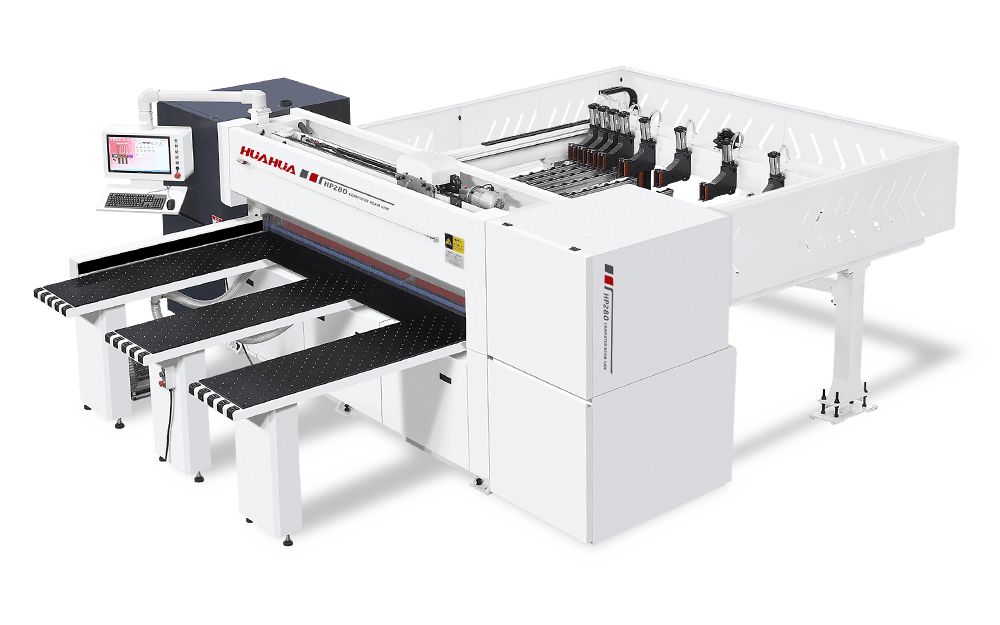
All of these considerations point toward vendors that combine engineering detail with local support. For many regional shops that balance mixed orders and tight schedules, that choice is the practical value HUAHUA CNC brings to the table — a partner that matches machine capability to daily realities. —
