
Introduction — a shop floor story
I once stood beside a brazing station where the operator waved a hand and said, “We can’t breathe this every day.” The numbers were stark: small workshops report air quality breaches on nearly one in three workdays (local surveys and my own visits). In that moment I started looking more closely at fume extraction technology and what it actually does for people — not just for compliance. So, what do we change first when the smoke hits your face and productivity drops? I’ll take you through concrete problems, the tech behind fixes, and practical metrics you can use tomorrow. Vamos — let’s get real and simple about this.
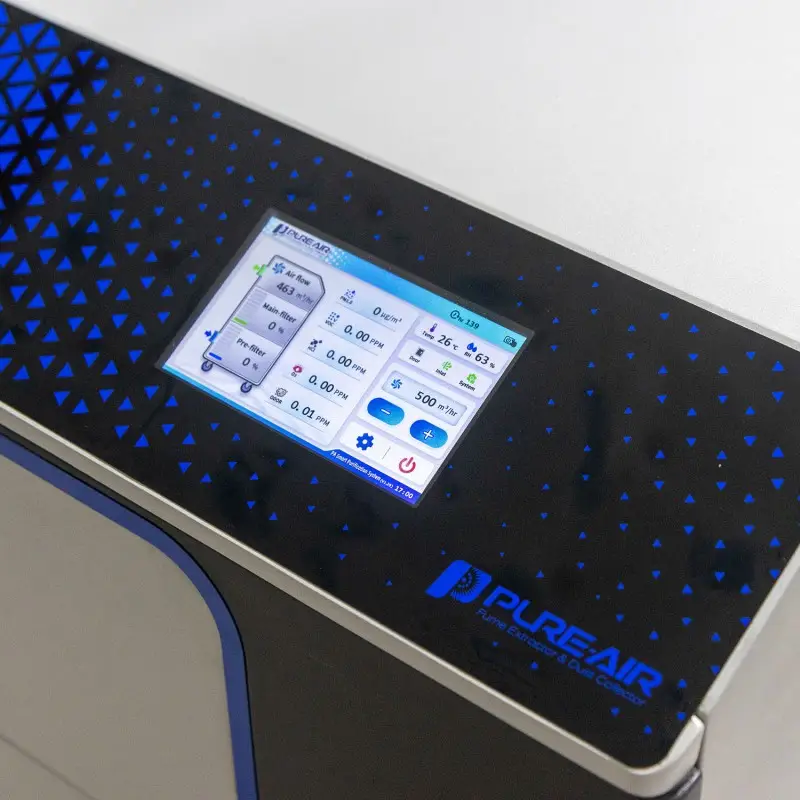
Part 2 — Why most fume extraction systems leave users frustrated
fume extraction systems are sold as a cure-all, but I’ve seen them fail in predictable ways. Technically speaking, designers often focus on ideal flow rates and ignore how operators actually move parts and tools. That mismatch makes capture zones ineffective. Add clogged HEPA filters and underpowered fan speed controllers, and you have a system that looks good on paper but doesn’t protect anyone. I’m not just being picky — I’ve watched teams tape over vents because the noise annoyed them. Look, it’s simpler than you think: fit and human behavior matter as much as filter MERV ratings.
Why does this keep happening?
Two root causes repeat themselves. First, poor placement and lack of modularity make capture arms useless in real tasks. Second, maintenance gets ignored because differential pressure sensors aren’t tied to easy alerts — staff don’t know when filters are starving the fan. I’ve tested setups where activated carbon beds were bypassed by dirty ducts; the result was stubborn odors and a false sense of safety. If you ask me, those are design and workflow failures more than technological limits.
Part 3 — New principles and three steps to pick the right system
Now let’s look forward. I believe the next wave of fume extraction must combine human-centered design with smarter control. That means systems that adapt to how people work, not the other way around. Consider modular capture hoods, variable-speed drives, and simple interfaces that workers will actually use. Also — integrate basic edge computing nodes so local alarms and usage logs live where they can be acted on. These principles cut down on wasted energy and reduce exposure, and they are achievable today.
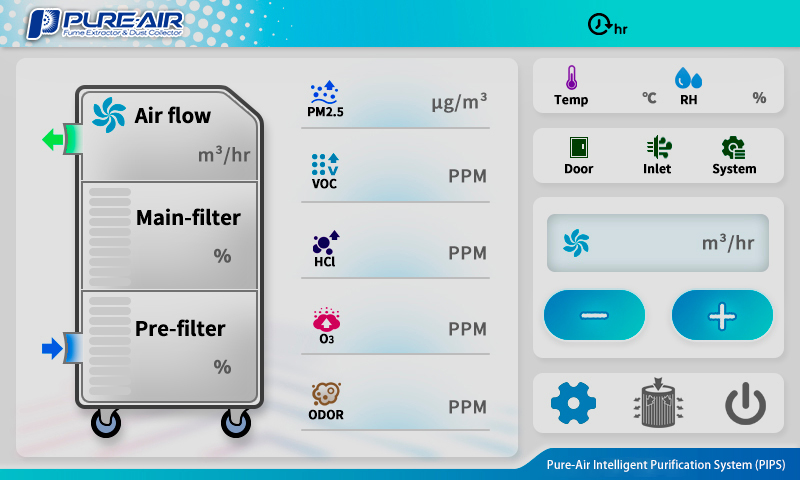
What’s Next?
To pick a real solution, evaluate three metrics I trust: capture efficiency in actual tasks (not just lab numbers), ease of maintenance (can a tech change a filter without special tools?), and operational visibility (does the unit report usage and filter life?). Measure those, and you’ll avoid buys that look shiny but fail in weeks. My advice: score proposals against those three points. It’s practical, and it helps you protect people and budgets. — funny how that works, right?
To wrap up: I’ve walked shop floors, swapped filters myself, and listened to operators complain — and that shaped these recommendations. Use the metrics above when you compare vendors and prototypes. If you want to explore a tested option, check systems like fume extraction systems that balance capture, controls, and serviceability. I’m optimistic — and cautious. We can make work safer without over-complicating things. For companies ready to act, I recommend focusing on measurable capture, maintainable design, and clear operational data. End of story — but the next step is yours. PURE-AIR
