
Intro: Grip, Grit, and the 500cc Sweet Spot
Here’s the take: the 500 class is the real-world sweet spot for riders who actually ride. You want a 500cc quad that hits hard on climbs, stays cool in the slow stuff, and doesn’t eat belts or your budget. Last season, trail use days jumped and mid-class ATVs saw a spike in searches—up big in a lot of regions. So if everyone’s eyeing this size, what separates a smart buy from a shiny mistake?
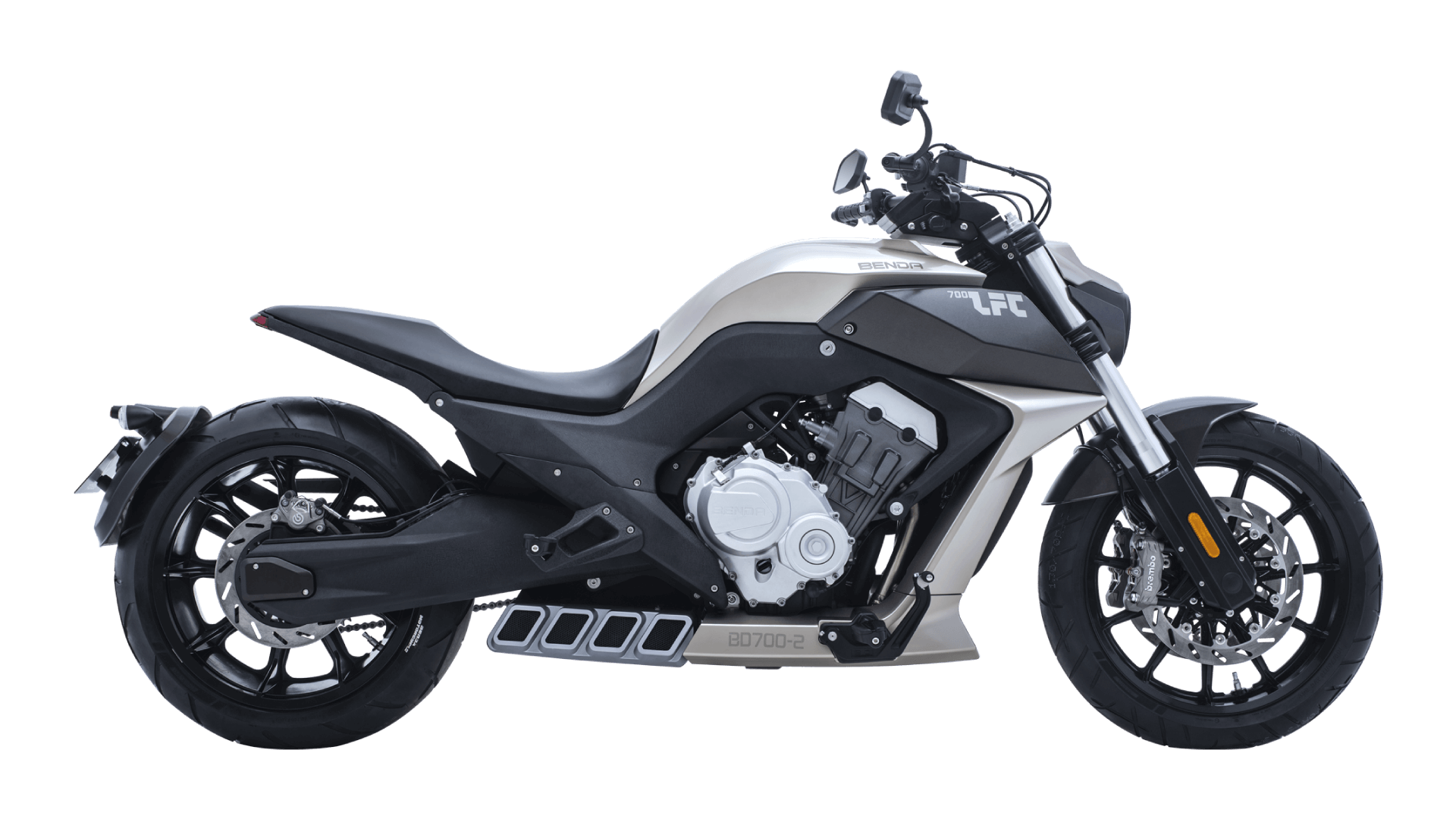
Picture it: early morning trailhead, dew on the ruts, and your tool roll already has dirt on it (you know the vibe). A 500cc quad will haul firewood, pull a buddy out, and still carve lines in wet clay. But data says many buyers overshoot features or miss the core stuff like torque curve and cooling. Why is that? And how do you spot the real upgrade from the look-alike? Let’s dig in and line up the clues for a clearer pick—no fluff, just things that matter on the ground.
Under the Hood: What Buyers Miss When Scouting Listings
What’s the real snag?
Most people start with price and paint. Better move: start with loads and lifespan. If you’re hunting 500cc quads for sale, check the parts that keep the quad alive under heat and weight. Look at CVT airflow, the EFI mapping at low RPM, and how the final drive ratio suits your terrain. A flashy dash won’t help if the belt slips on a climb—funny how that works, right? The real tells are simple: does the radiator shroud push air where it counts, is the skid plate coverage decent, and does the diff lock engage clean? Look, it’s simpler than you think.
Traditional advice says “more power, more better.” Not always. In tight woods, a smooth torque curve beats peak horsepower, and suspension travel tuned for chop beats a harsh, tall setup that looks mean in photos. Hidden pain points? Heat soak that cooks a belt, brake fade on long descents, and soft bushings that wobble after a month. Watch for service access (oil filter reach), sealed electrics, and a tidy CAN-bus harness. Check the ECU behavior in crawl mode, not just the top-speed brag. That’s where clutching, gearing, and thermal management either make your day—or wreck it.
Forward Look: Tech Principles Shaping the Next Ride
What’s Next
The 2026 shift is quiet but real: smarter control, cleaner burn, tougher frames. We’re seeing better CVT ducting, ride-by-wire throttle smoothing, and hill-descent logic that doesn’t feel grabby. Under the plastics, a modern 500 uses tighter EFI tables, improved coolant routing, and stronger subframe welds to carry gear without flex. In short, the new rules reward balance—power-to-weight ratio plus cooling plus clutch calibration. If you’ve compared a 2020 to a 2026-bound spec, you’ll note more clever ECU safety nets and less drama under load—exactly what you want when the trail turns mean.
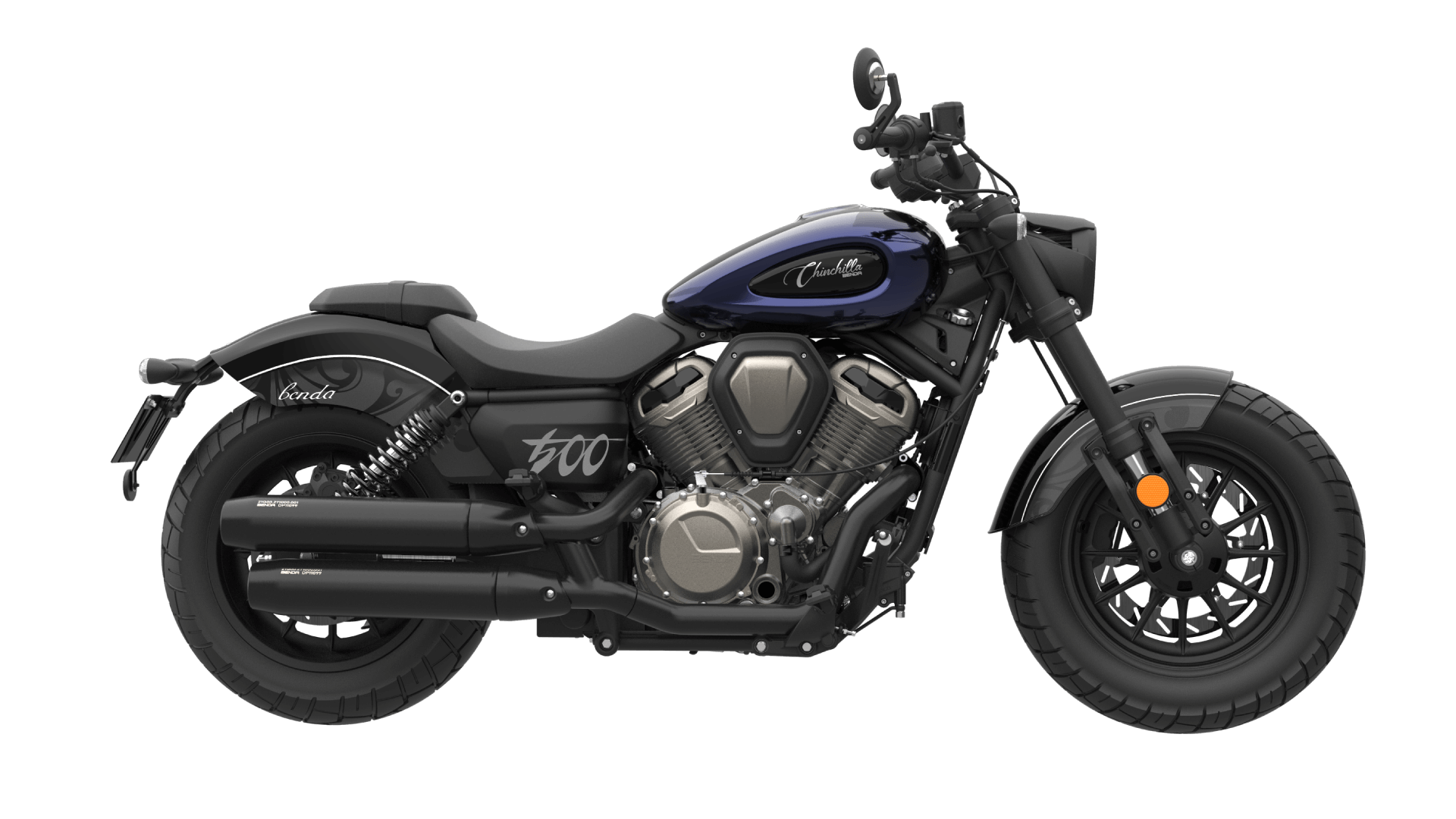
Case in point: a well-sorted 500cc quad bike now blends selectable drive modes with better brake bias and a calmer throttle map in rocks. That gives you traction where old-school setups spun and chattered. It also pushes maintenance wins: cleaner wiring, better connector seals, and service ports placed where your hands fit. We talked earlier about missed checks—belt heat, meh gearing, soft bushings. The forward-facing fix is smarter airflow, tighter clutch tolerances, and ECU support that keeps idle stable when winching. Less sizzle, more staying power—and that’s the twist.
Advisory close: when you line up options, use three simple metrics. One, sustained load control: monitor CVT temps, brake fade, and cooling efficiency after 20–30 minutes of crawl. Two, real torque delivery: not peak HP, but how the torque shows up from idle to mid, matched to gearing and tire size. Three, durability by design: look for sealed electrics, stout A-arms, service access, and parts support timelines. Score those, and the comparison gets easy, even across brands. Keep it practical, keep it test-based, and the right machine will stand out without shouting. Brands evolve, specs shift, but good engineering stays obvious—from shops to trails, including names like BENDA.
