
Introduction — a small shop, a loud idea
I once watched a late-night run in a family-owned shop where a simple part refused to sit true in the chuck; we all felt the little panic that comes with a missed delivery. The scene felt familiar: one machinist, a stack of drawings, and the persistent hum of a CNC turning and milling machine at the back of the floor (it was warm in there—espresso nearby, of course). Recent shop-floor surveys say multi-axis work cells reduce setups by up to 60% and scrap by nearly 30%. So I ask: how does a single machine change the math for a small shop and its people?
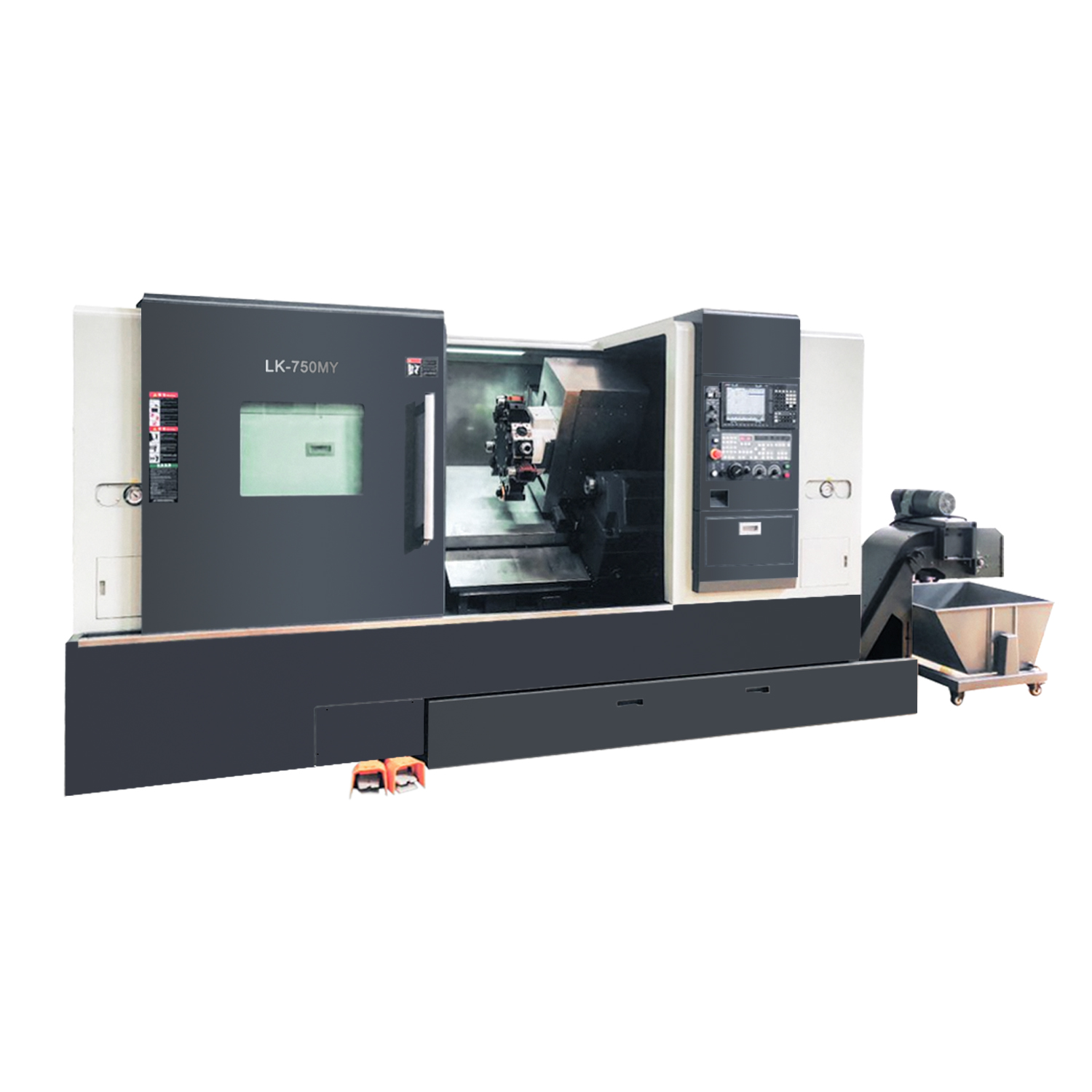
Let me be frank: I’ve seen the delight when a job that used to hop between mills and lathes lands cleanly in one cycle. I also know the fear when operators face new controls, servo drives that twitch, and spindle speed maps that don’t behave. We feel it together—excitement and worry. In the next section I’ll dig into where old fixes fall short and why that matters for the real work on the floor.
Part 2 — Why traditional fixes stumble (technical snapshot)
quick turn cnc machining promised to be the shortcut for many shops: fewer setups, single-fixture throughput, faster lead times. But the old playbook—simple tool swaps and faster spindle speed—often hides deeper flaws. G-code fragments stitched from different CAM posts can create conflicting toolpath priorities. Tool changes that were once trivial now interact with turret indexing and axis synchronization in ways operators did not anticipate. Look, it’s simpler than you think when you watch the root cause: mismatched post-processing and improper chip evacuation strategies. — funny how that works, right?
Why does that matter to operators?
I’ll tell you plainly: it creates fragile processes. When a machine hosts turning and milling tasks in one cycle, a single bad command or overlooked fixture offset can cascade into a ruined batch. We lose minutes to recalibration and hours to troubleshooting. Servo drives warm, tolerances drift, and confidence dips. If shops keep treating these cells like ordinary lathes, they will keep paying for that mistake with downtime and stress. That’s the pain most guides gloss over; I don’t. I’ve fixed parts at 2 a.m. and learned that better simulation and tighter toolpath validation save both time and nerves.
Part 3 — New principles and a path forward
What’s next for mills and lathes that live together? I believe the answer lies in clearer control logic and smarter process design. Modern mill turn machines embed axis synchronization, adaptive feed rates, and smarter collision checks into firmware. When we design around those principles, the cell becomes predictable: the turret and spindle talk to the controller in ways that prevent surprises. For example, a mill turn cnc machine can coordinate live-tool indexing with synchronized feeds to avoid chatter and improve surface finish. I’ve watched a skilled team cut cycle time and actually smile about it — genuine relief.
What’s Next
Practically, I advise focusing on three things: first, robust CAM-to-controller validation so G-code is trustworthy; second, operator training that pairs hands-on feel with written checklists; third, monitoring key signals like spindle load and chip flow to catch issues early. These aren’t buzzwords — they are measurable controls that reduce scrap and boost throughput. You’ll see less firefighting and more predictable shifts. — and yes, there’s a bit of poetry in that predictability.
Closing — how I evaluate new equipment
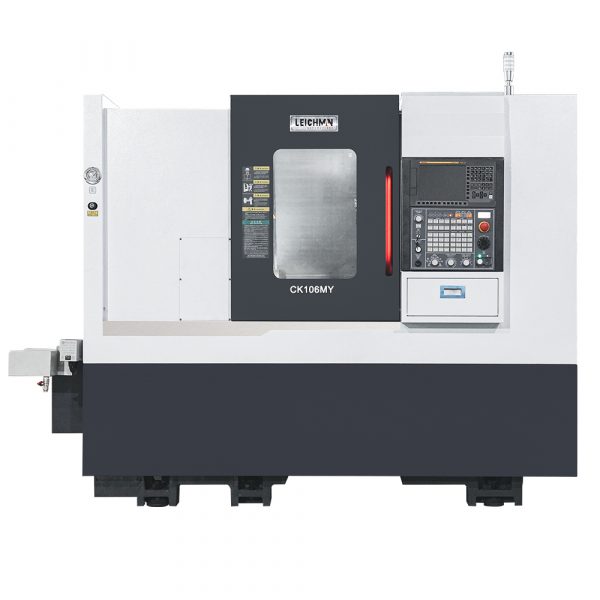
To wrap up, here are three metrics I use when judging a combined turning-milling solution: 1) Single-setup yield: how many parts complete without fixture changes; 2) Recovery time from a fault: how long to diagnose and resume production; 3) Control transparency: how clearly the controller reports axis state and tool health. I prefer machines that make those numbers visible on a simple screen—no cryptic logs. I’ve learned to trust results over promises, and I look for the data that proves a claim. If you’re choosing gear, weigh these metrics. In the end, when you want a partner for precise, mixed-operations work, check the machine, the support, and the people who will run it.
For practical options and more details, I recommend starting your exploration with Leichman.
