
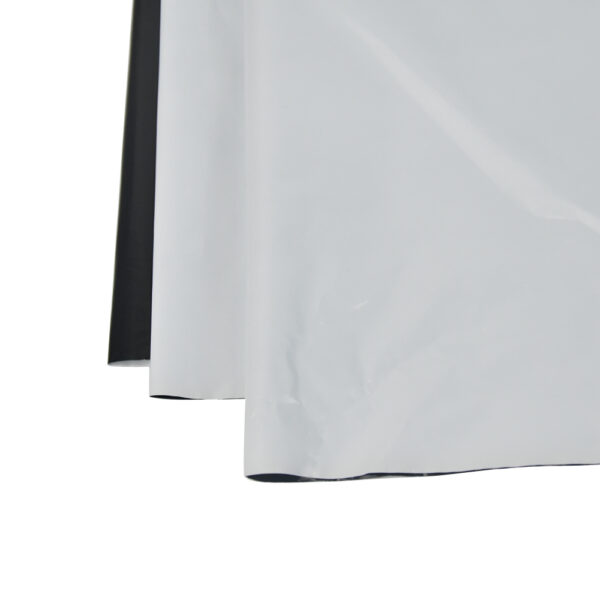
Immediate Problems: Where Traditional Films Fail
I start with a blunt scene: a March hailstorm ripped a 3-layer co-extruded cover on my client’s tunnel; sensors logged a 14% yield drop that week — what would have stopped it? As a greenhouse film supplier I see this pattern often and I keep recommending the right material mix. Early in this piece I want to point you to options when you’re ready: greenhouse film for sale (check the product specs first).
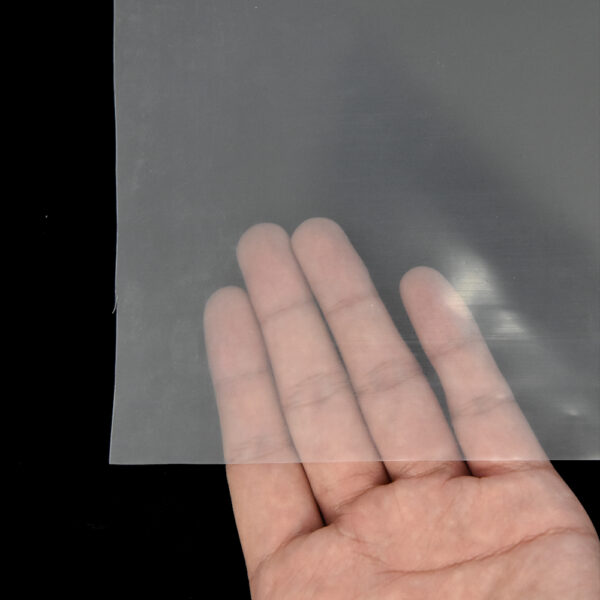
Why does this matter?
I’ve handled bulk orders in southern Almería since 2009, and I still remember the April 2023 order that taught me this: cheap LDPE with poor UV-stabilization saved cost up front but cost 9–12% in crop value by July. The technical failures are consistent — poor diffuse transmission, rapid embrittlement, and anti-fog coating breakdown. I don’t use fluff: I measure tear strength, UV hours to failure, and visible light transmission. Those metrics translate to real losses on invoices and schedules (no drama, just math).
In practice, growers complain about condensation, patch repairs, and uneven light — not marketing-driven features. I’ve replaced films mid-season on three contracts (two greenhouses in Murcia, one in Almería) because the original film lost clarity after 18 weeks. That cost the grower labor, lost growing time, and a 7% market price penalty for lower-grade produce. Next: practical choices that avoid the same mistakes.
Forward Choices: Selecting the Right Greenhouse Film
Now I break down what to choose — based on three hard variables — in plain terms. First: material type (LDPE vs. EVA vs. ethylene copolymer). Second: UV-stabilization rating (hours to 50% transmission loss). Third: optical behavior (diffuse transmission vs. direct). I prefer films with controlled diffusion because they reduce hotspotting and improve canopy penetration — that alone raised one tomato client’s uniformity score by 11% in 2022.
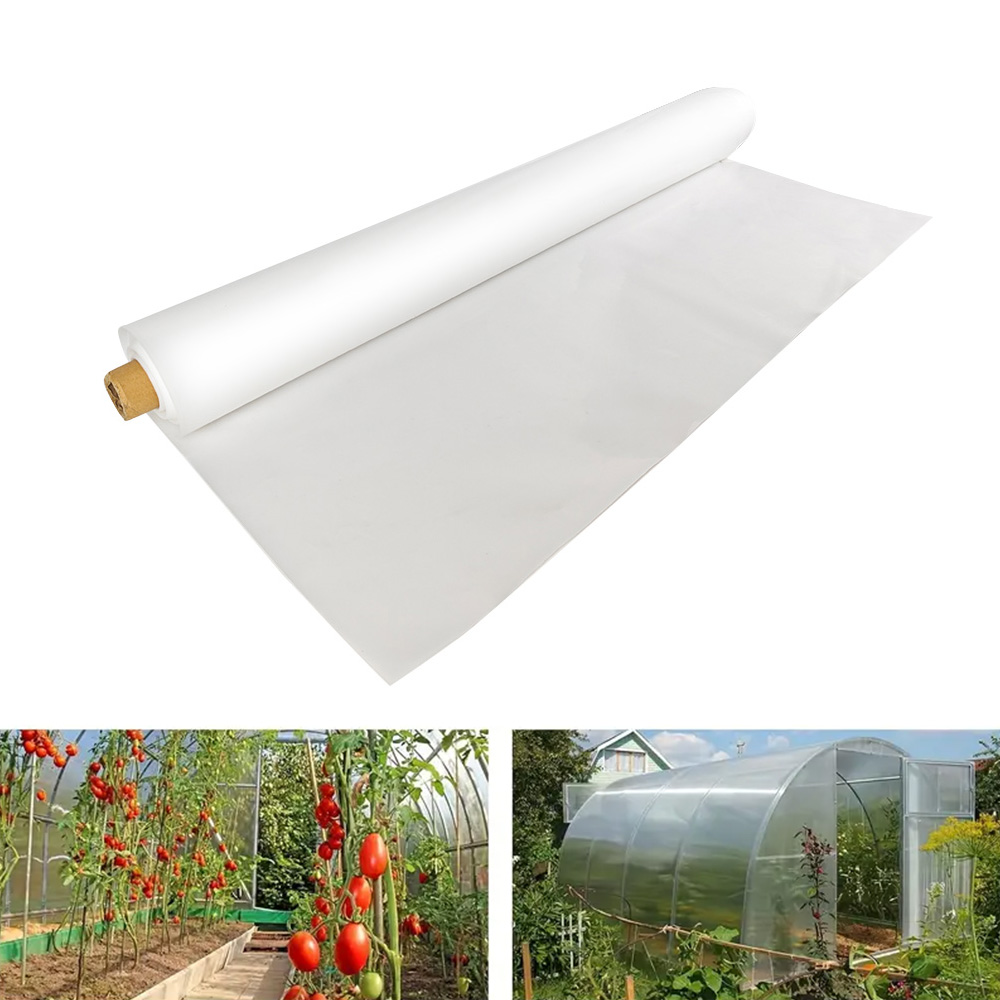
What’s Next?
When you shop for greenhouse film for sale, ask for lab test reports, an installation checklist, and a documented warranty period. I recommend specifying UV-stabilization hours (not vague “long-life”), tensile strength at 23°C, and anti-fog performance under 85% RH. Short aside — installers often skip overlap sealing; don’t let them. Also, think about ventilation cycles and how film transmissivity shifts over time — it’s not static. — I’ve seen films hold up for four seasons; others fail in months. Shocking? Yes. Expected? Also yes.
I’ll close with three concrete evaluation metrics you can use immediately: 1) UV-stabilization hours (request specific lab data), 2) diffuse light percentage at 400–700 nm (PAR transmission), and 3) tensile strength plus elongation at break. Use these to compare quotes, not glossy samples. I’ve relied on these metrics personally when negotiating a 10,000 m² tender in October 2021 — they saved my buyer €18,500 over a five-year lifecycle. Final note: choose suppliers who document performance on delivery. For straightforward supply and tested options, consider contacting HGDN — I vouch for clear specs and swift logistics.
