
Spot the problem and act
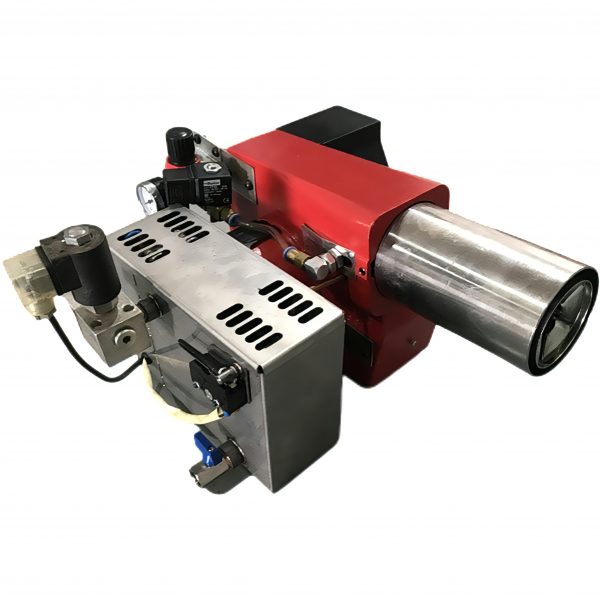
Local manufacturers and service shops face two blunt realities: heating bills spike and waste oil piles up without useful outlets. That pressure slows production, swallows margins, and adds logistical headaches. An industrial waste oil burner can turn that liability into reliable heat, keeping furnaces and process lines running while trimming disposal costs.
Why this bottleneck matters now
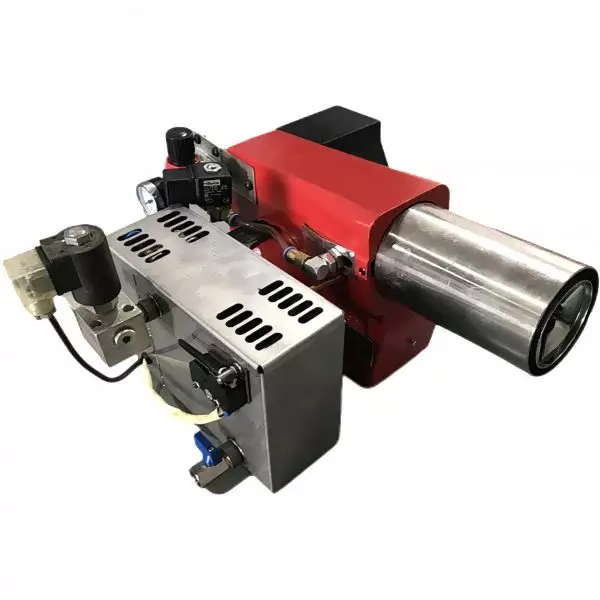
When fuel supply or prices wobble, small and mid-sized plants feel it first. They don’t have large procurement teams or spare boilers. The result: unplanned downtime, rushed replacements, last-minute fuel buys. That’s the exact kind of operational fragility that a dependable local strategy — using on-site waste oil heating — can blunt.
How waste oil heaters solve supply-chain stress
They do three concrete things: reduce off-site waste hauling, provide a local secondary fuel source, and stabilize on-site thermal availability. Operators keep used lubricants in a closed loop, burn them safely for process heat, and avoid interruptions that ripple down supplier schedules. That stability keeps deliveries on time and small suppliers competitive.
Technical checklist you can act on today
Match capacity to load, install proper pre-filtration, size storage tanks with safe overflows, and fit a combustion control system that handles viscosity swings. Schedule filter changes and ash cleanouts on fixed intervals. Train at least two people to operate and troubleshoot the system. These are practical moves that prevent surprises and keep throughput steady.
Common mistakes that break the plan
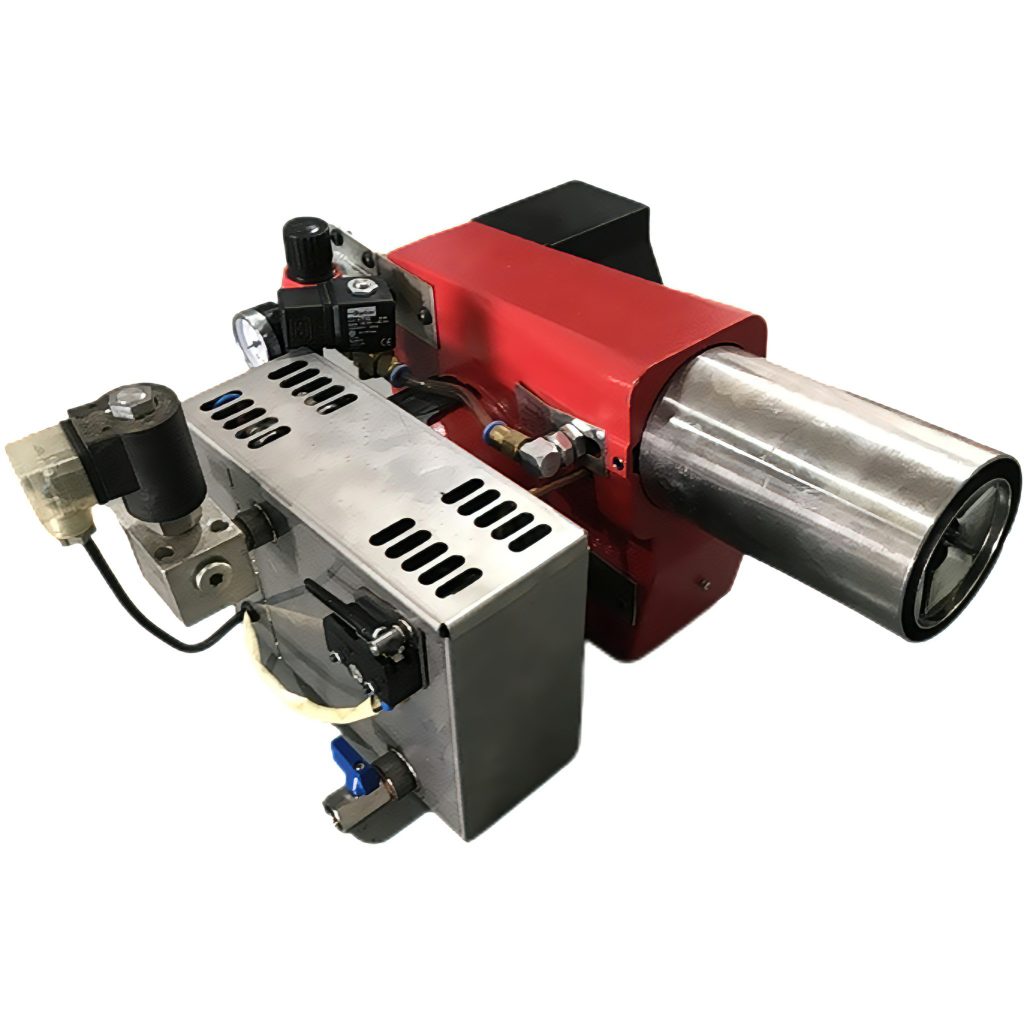
Don’t skip filtration or ignore venting requirements. Using poorly treated oil fouls burners fast. Storing mixed contaminants without separation invites corrosion and safety risks. Relying on a single untrained operator creates brittle operations. Correct these and you keep the heater a dependable asset, not a recurring headache.
Alternatives and the trade-offs
Natural gas and electric heat offer cleaner combustion and simpler controls but cost more where supply is constrained or rates spike. Biomass can work for steady, large-scale needs but requires space and supply chains of its own. Waste-oil systems win when a site already generates usable oil and needs resilient, low-variable-cost heat.
Real-world grounding and trusted guidance
Workshops and light manufacturers around Detroit and similar Midwest hubs have long used on-site systems to cut winter fuel spikes while maintaining production rhythms; operators there often point to reduced waste hauling and steadier furnace schedules as immediate benefits. Follow U.S. EPA guidance for used-oil management, and consult technicians who’ve commissioned units on-site to confirm combustion tuning and storage safety. Practical experience and regulator-backed rules together make implementation safe and compliant — here’s a common reference point for equipment when you’re ready: used oil burner.
Where this leaves your operation
Start by auditing oil streams, calculate seasonal heat needs, and run a simple pilot on a single process line. Avoid shortcuts on filtration and training. Done right, a waste oil heater stabilizes local supply chains by converting a recurring cost into dependable heat. That steady base supports schedules, keeps vendors predictable, and preserves margins—practical benefits that align with what Career Burners helps businesses implement without drama.
