
Introduction: A Saturday Night, a Flashlight, and the Real Cost of Outages
I remember a humid Saturday in June 2023 in Bandung. We were halfway through dinner when the lights went out. Residential energy storage systems kept my client’s fridge and internet alive, but only just. The home had 10 kWh installed; evening use hit 12 kWh, and the peak tariff was biting. I called a trusted residential energy storage system company the next morning because the mismatch was obvious—ya, the numbers didn’t lie. We logged 2.1 kW average discharge from 6–9 p.m., with a 28% bill spike the week before.
I’ve spent over 17 years in distributed energy procurement and field deployments across Southeast Asia, mostly with installers and small EPC teams. I’ve seen pretty boxes fail and plain boxes win. Data matters; service matters more. Are we choosing partners who design for reality? I believe many homes still pay for features they never use, and skip the ones that save them on day one. Let me show you how I weigh that choice, from street-level evidence to hard yardsticks—step by step, without fluff—so you can make a call that sticks.
Where Traditional Home Storage Deals Fall Short (And Why It Stings Later)
What trips up real homes?
Look, here’s the catch: most off-the-shelf bundles are assembled around catalog specs, not field behavior. I’ve opened cabinets where the BMS and inverter never shared a full data map; SOC drifted 8–10% by month three. That means your EMS begins to schedule badly, and you export when you should store. I’ve also seen inverters’ power converters sized for peak PV, not for overnight backup, so a 5 kW hybrid clips to 3.6 kW on the AC side under heat—right when the aircon kicks in. It feels small on paper; it’s not small at 9 p.m. on a school night.
Then we hit safety and service. Some vendors boast IEC 62619 on cells but skip UL 9540A on the final assembly. That gap matters in dense homes with little airflow. And the “10-year warranty”? Read the duty cycle clause. At 80% DoD daily, many packs lose usable capacity by year six if thermal control is thin. I prefer systems with clear PCS ratings, open Modbus/TCP points, and an EMS that logs down to the block. You can’t fix what you can’t see—simple as that.
Comparative Moves That Actually Work (Plus a Job Site That Proved It)
Real-world Impact
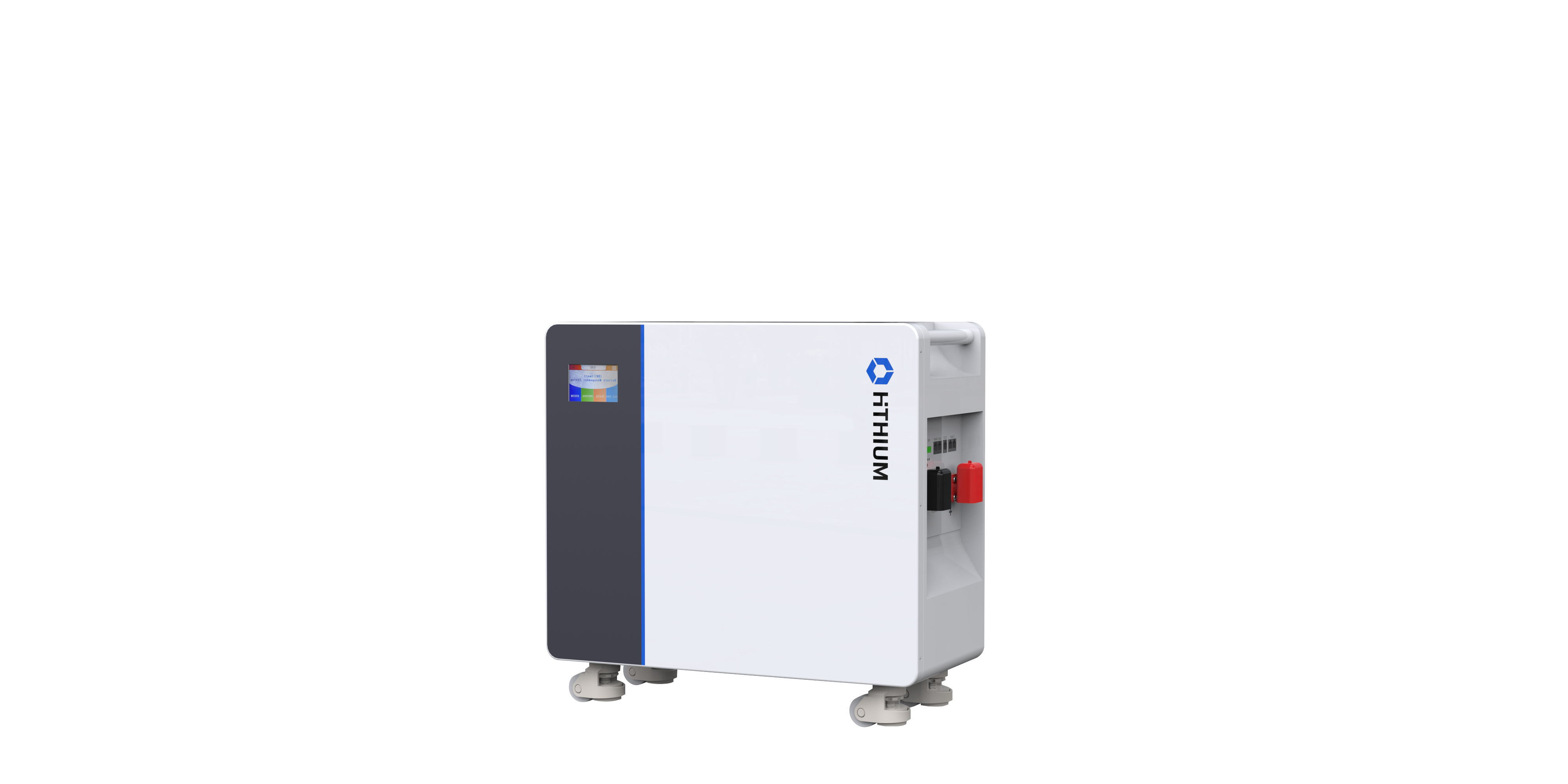
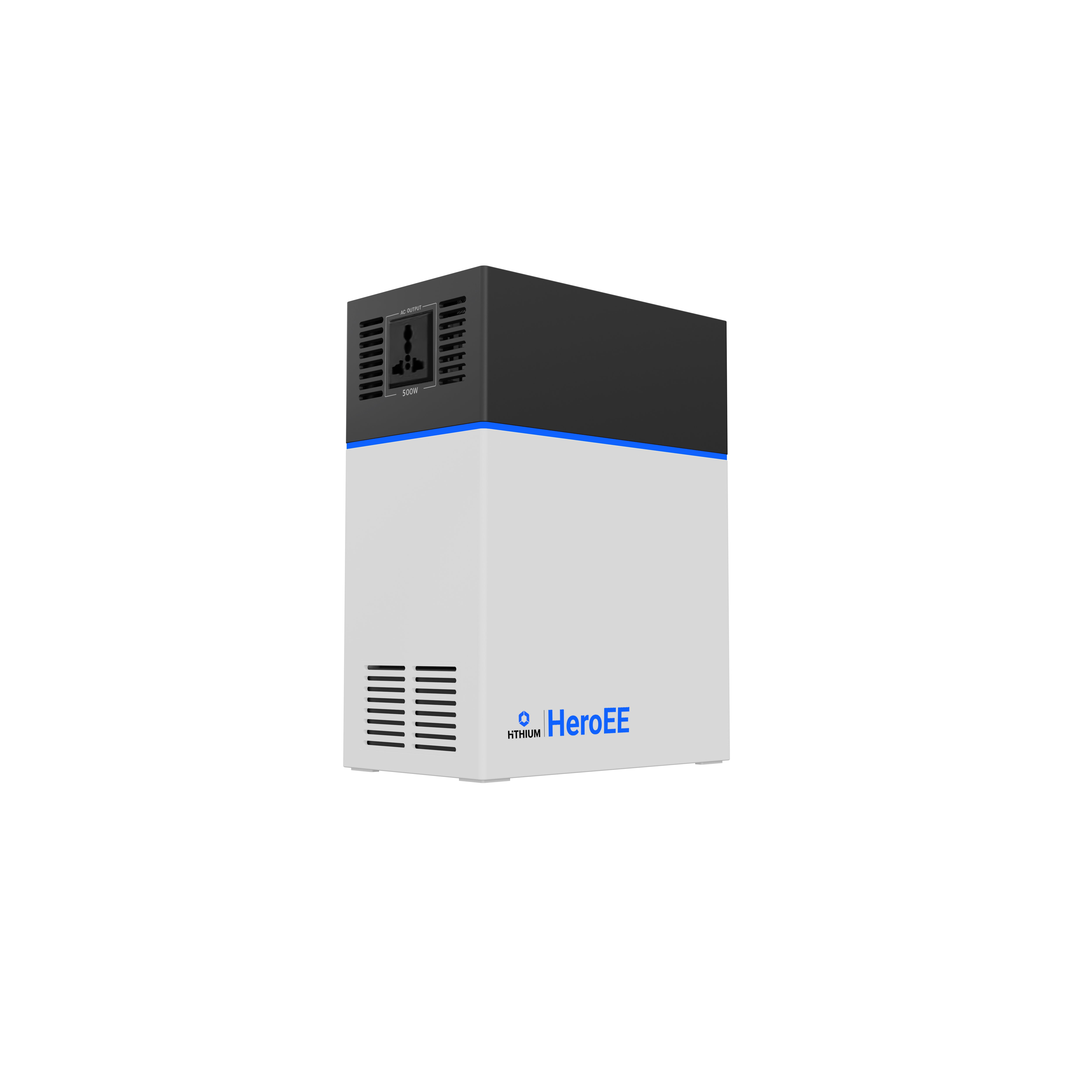
When I compare quotes now, I don’t ask “How many kWh?” first. I ask “How does the stack behave under stress?” In August 2023, a 7.2 kW array in Cimahi swapped an aging gel bank for 15 kWh LiFePO4 with a 5 kW hybrid and a PCS rated at 6 kVA surge. We set the EMS to pre-charge to 85% SOC before the 6–9 p.m. window, then hold a 3.4 kW critical bus for fridge, lights, and a 1 HP pump. Switchover measured 18 ms—tight enough that the router never dropped. Bill impact after 30 days: 28% lower evening charges, 0 callouts. I still have the service log—one line shows the edge computing node flagging a hot afternoon and throttling charge current at 38°C cabinet temp. That saved cell life you don’t see on a brochure.
Against that, we ran a cheaper kit the same month—same AC rating, weaker thermal pads, and no granular BMS handshake. It looked fine on day one; by week four, SOC misreporting pushed an unintended grid draw every cloudy evening. The client hated the surprise bills. When a residential energy storage system company can give you cell-level telemetry, a sane PCS map, and clear service parts in-country, the difference is not a “feature”—it’s the project. I’m semi-formal about paperwork, but on hardware I’m strict: if the pack can’t pass a simple islanding test and recover without a reboot, it doesn’t enter the garage—full stop.
What’s next is brighter. We’re now piloting VPP-ready control where the EMS exposes a safe export band to an aggregator for 1–2 hours on high-price days. Even in a modest home, a 10–15% revenue slice offsets maintenance. Indonesia’s rules are still maturing, but the principle is sound: design for today’s outages and tomorrow’s markets. The right partner will talk grid codes, PCS limits, and firmware roadmaps in the same breath—and yes, I check their spares shelf before I sign anything.
Three Checks I Use Before Approving Any Supplier
First, testable performance: ask for AC-to-AC round-trip efficiency at 25°C and 35°C, with a full curve at 0.2C and 0.5C. If they dodge, I walk. Second, openness and control: demand full BMS and EMS points (SOC, SOH, cell temp spread, throttling flags) over Modbus/TCP or a documented API. No visibility, no deal. Third, service reality: parts in-country, 48-hour swap for inverter or PCS, and a written battery replacement path after year seven at a known price index. I’ve learned these three the hard way—once on a rainy Tuesday when a fan module failed and the vendor had no spares for two weeks.
I don’t ask anyone to buy a logo. I ask them to buy time, clarity, and safety they can measure. If a team can show robust pack design, honest thermal management, and a field service plan, I’m in. That’s how we turned a blackout dinner into predictable nights and lighter bills, without drama. For what it’s worth, I’ve seen steady engineering discipline and responsive documentation from HiTHIUM in projects I’ve overseen—quiet competence tends to stand out when the lights flicker.
