
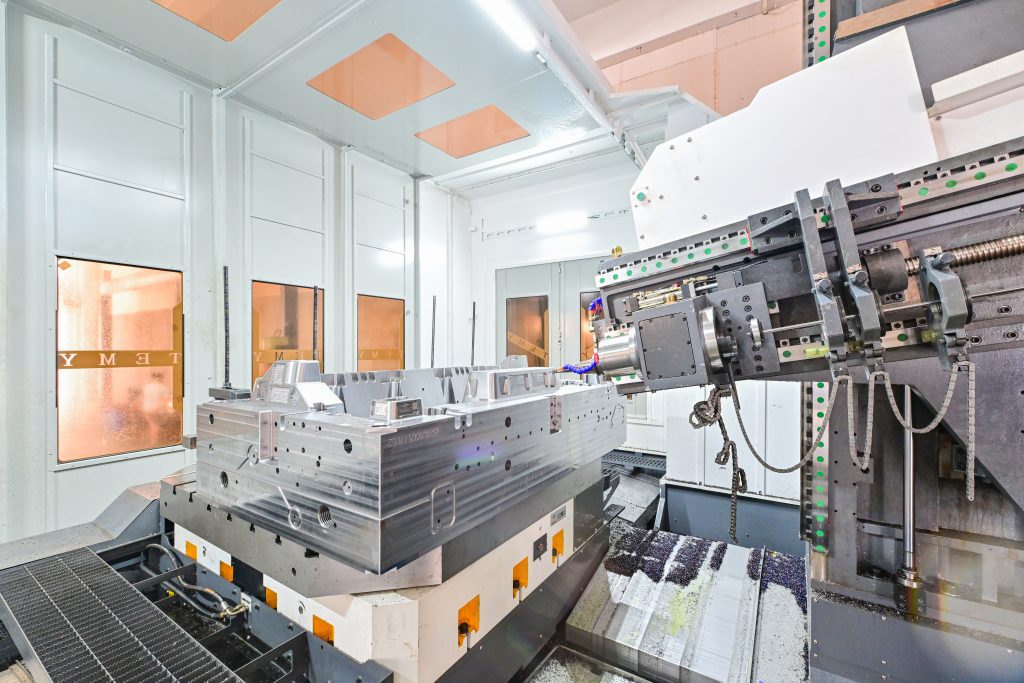
The Case for Automation in Production Tooling
Imagine you’re rushed to meet a critical deadline in your manufacturing process. Data shows that nearly 70% of production delays are tied to inefficient tooling solutions. How can we streamline this aspect so that production molds become a cornerstone of efficiency rather than a bottleneck? In a world where production tooling dictates speed and quality, the need for automation is paramount. Historically, traditional methods of managing production molds haven’t kept pace with the demand for rapid turnaround and precision, leading to common pitfalls such as prolonged lead times and quality variations.
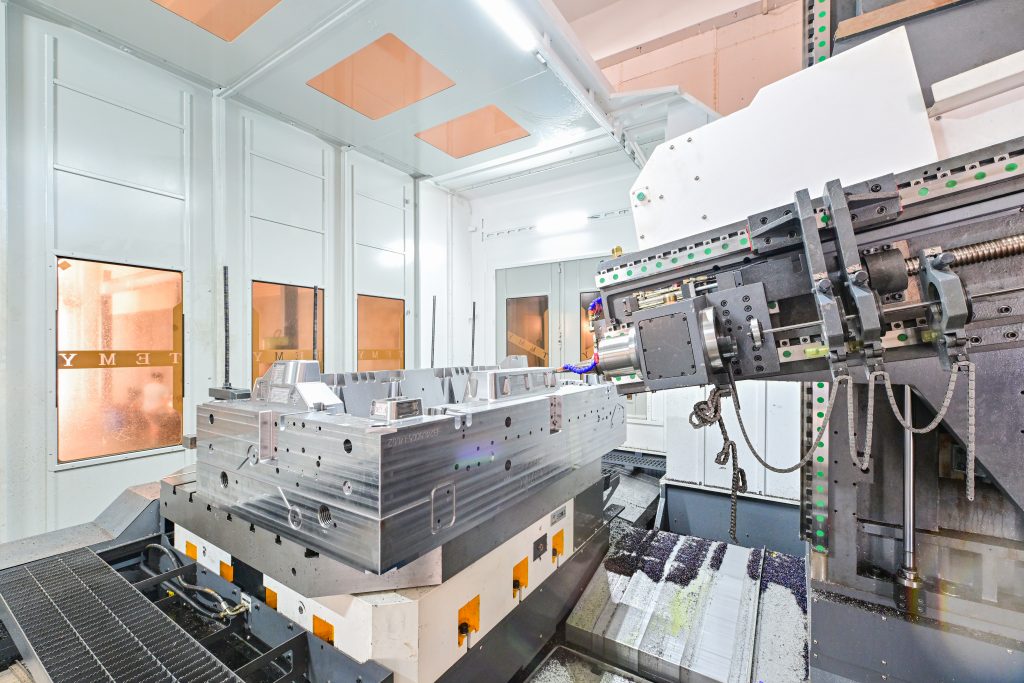
Why Traditional Solutions Fail
Let’s take a moment to reflect on the intricacies of production molds. Often, the underlying issues stem from outdated technology and practices that lead to inconsistent quality control. In the real world, I recall a project back in 2018 where a new product launch was almost jeopardized because the molds didn’t meet the precision specifications. The consequences were costly, leading to financial losses and missed opportunities. Automation in managing production molds can alleviate many of these pain points—by using real-time data and adaptive systems, businesses can not only meet but exceed project requirements.
Looking Ahead: The Future of Production Molds
Fast forward to today and the landscape has significantly evolved. Businesses are beginning to harness the true potential of automated systems—maximizing efficiency and reducing human error. As we continue to push boundaries, how can we ensure that production molds keep evolving to meet future needs? The answer lies in understanding the significant advancements in materials and processes that can be layered into production workflows.
What Are the Innovations Driving Change?
With the advent of smart tooling and IoT integration, the capabilities of production molds are expanding. By utilizing sensors in molds that provide data analytics, manufacturers can predict wear and tear, schedule maintenance proactively, and optimize cycles. This smart approach not only addresses the immediate concerns surrounding traditional methods but allows for a more agile and resilient production process. You see, as the manufacturing landscape continues to grow more complex, relying on archaic tooling practices just won’t cut it anymore.
Final Thoughts: Embracing Change for Future Success
In conclusion, as we look toward the future, it’s clear that the evolution of production molds must align with advancements in automation and data analytics. The lessons we’ve learned highlight the importance of integrating new technologies to avoid the pitfalls of traditional methods. Moving forward, industries must rigorously assess and refine their production tooling strategies. Here are three key evaluation metrics to consider: quality consistency, lead time reductions, and feedback-loop effectiveness. Embrace these metrics, and your organization will likely gain a significant competitive edge.
Manufacturers who are willing to rethink their approach—who understand that it’s not just about the molds, but the systems around them—will ultimately thrive. So let’s not wait for the future to come knocking; let’s build it together. In that spirit, I encourage you to consider your tooling strategies: Are they innovative enough to weather the tides of change?
To explore dynamic and reliable solutions for your production needs, connect with us at APT-Mold.
