
Introduction — a shop floor story with a number and a question
I remember walkin’ into a small-town shop on a Monday morning — the kind of place where the coffee’s strong and the clock’s loud. The foreman told me they were losing nearly eight hours a week to changeovers and misfeeds. CNC turret lathe sat right there on the floor, humming like a tired dog, impatient for work. (I could tell you more — but the number stuck with me.)
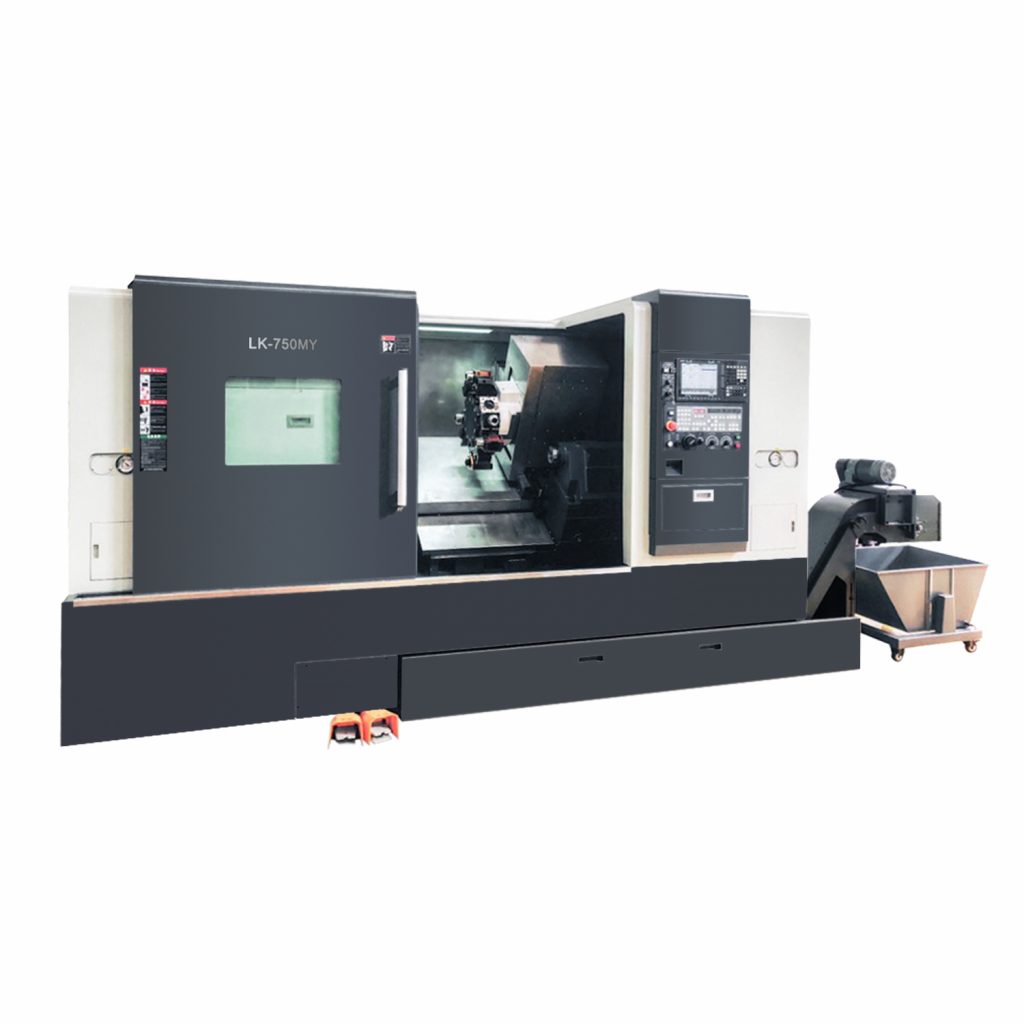
That machine — the CNC turret lathe — handles repeated runs, turret indexing, and spindle speed changes, yet it was costing time. So I asked myself: how do we get the job done faster without wrecking tool life or making the operator loathe every shift? I want to share what I’ve learned, plain and practical, with a bit of Southern straight-talk. We’ll cover setup choke points, tool turret quirks, and simple fixes that actually stick — and then move on to what the next step looks like.
Why the common fixes fail: a technical peek at deeper flaws
cnc turret lathe machine — Look, I’ve seen shops buy top-of-the-line units and still fight poor uptime. At first glance the problems sound small: tool offsets not saved properly, slow turret indexing, chatter from worn inserts. But when you peel back the layers, the root causes are often systems-level. The control’s macro routines may not be tuned to the shop’s preferred G-code habits. Servo motor tuning sits out of spec. Feed rate settings are conservative because no one trusts the program. Those little mismatches add up to wasted minutes every cycle. We call them “setup taxes.”
Technically speaking, issues like spindle speed misalignment or incorrect turret indexing can be traced to three fault lines: human setup error, inadequate CNC control macros, and mismatch between tooling strategy and material. I’ll be frank — some training will help, but training alone won’t fix a control that uses generic tool libraries or a turret that keeps swinging to the wrong pocket. I’m talking about precise matters: backlash compensation, encoder calibration, and correct tool offsets. Those are industry terms for needle-and-thread adjustments, but they make or break consistency. Also — funny how that works, right? — sometimes the cheapest gains come from tightening protocols and documenting fixture repeatability. So yeah, it’s technical. But it ain’t rocket science. I’d rather see shops standardize their tool holders, set up checklists, and automate the tool-offset capture. That reduces variance and keeps chuck and insert wear predictable.
Want a quick win?
Run a controlled test: single-piece changeover timing, record spindle warm-up to full rpm, and check turret indexing accuracy. Measure before you tinker. You’ll find the biggest leaks faster than you expect.
Where the tech is headed and how to pick the right upgrades
Now, let’s look forward. I’ve been studying newer approaches — edge diagnostics, retrofit encoders, smarter HMI prompts — that change how we think about a horizontal turret lathe in the shop. horizontal turret lathe systems can now offer better live feedback on tool wear, and modern servo packages cut indexing time without added vibration. I believe these aren’t just shiny add-ons; they change the economics of small runs versus batch work. We can reduce setup time and still keep quality high. That’s important when margins are thin and customers want parts yesterday.
Semi-formal now — I want you to compare solutions by real, measurable things. First, check how a retrofit encoder reduces turret indexing deviation in degrees per index. Second, look at whether the control supports automated tool life counters and simple touch-probe routines. Third, consider the human interface: does the screen guide the operator step-by-step, or does it bury critical prompts in nested menus? These metrics cut through marketing fluff and tell you what saves floor time. Also — don’t forget service response and spare parts lead time. Those matter just as much as new tech. Weigh them. I have no patience for systems that require a week of downtime for a part that should be common.
What’s next for your shop?
Here’s my short list: measure current changeover time, identify the biggest variance source (tool, chuck, or control), and then match a focused upgrade — not a full rip-and-replace — to that pain point. That approach keeps cost down and impact high. — funny how that works, right?
Closing advice: three metrics I use when judging upgrades
I want to leave you with three clear metrics I trust. First: Mean Time to Changeover (MTTC) — how long, hands-on, to get from finished part to first good part. Second: Cycle Consistency (standard deviation of part cycle time) — lower is better, and it reflects good turret indexing and stable feed rates. Third: Serviceability Score — spare part availability plus mean time to repair. Those three tell you if an upgrade is worth the money.
I’ve walked shops through this process more times than I can count, and I’ll be honest: it pays off when you pair simple human fixes with targeted tech upgrades. I prefer practical improvements over flashy promises. If you act on MTTC, cycle consistency, and serviceability, you’ll cut headaches and maybe even enjoy the work again. We’ve got options now that make a real difference, and I’m glad to see manufacturers and retrofitters stepping up. For more on specific machines and parts, check out Leichman — they offer sensible choices that match shop realities: Leichman.
