
Start with the problem, not the brand
Most procurement headaches come from fixing a measurement failure, not buying a shiny machine. You discover inconsistent tensile curves, drifting hardness numbers, or noisy dynamic data—and your first impulse is to replace equipment. Before you spend, define the failure: repeatability, range, fixtures, software, or environmental control. If you’re buying machines for tensile, compression or fatigue work, look at the actual workflows that will use the material testing equipment and map every step where error can creep in.

Diagnose what truly matters
Ask concrete questions: what sample sizes and geometries will be tested daily; what minimum resolution and force/strain rates are required; how many operators will run the system; how long must results retain auditability. Match instrument specs to those answers. An otherwise capable universal testing machine that lacks a low-load transducer will fail thin-film tests. A high-frequency dynamic analyzer with poor temperature control will wreck viscoelastic characterization. Treat the instrument as part of a measurement chain, not a standalone box.
Common mistakes that create repeat purchases
Over-specifying capacity wastes budget and reduces resolution. Underspecifying control or data bandwidth corrupts dynamic tests. Ignoring fixture compatibility causes test setup drift. Expecting out-of-the-box compliance with your lab’s traceability rules leads to surprise calibration costs. Skipping software validation or operator ergonomics creates user errors. Each of these mistakes forces rework or a secondary purchase—exactly the friction you intended to avoid.
Evaluate viable alternatives and trade-offs
Universal testing machines cover a broad range but can be bulky and costly for routine QA. Benchtop testers are compact and fast for throughput but may lack extensibility. Dynamic mechanical analyzers provide superior frequency control for polymers but won’t handle large specimen geometry. Custom rigs solve one tricky protocol but create maintenance risk. Choose the smallest instrument family that still meets every required test and factor in future protocols you can foresee within the next five years.
What to verify with suppliers and why it matters
Confirm calibration options, traceable certificates, spare-parts lead times, and on-site training scope. Check that the supplier supports data-export formats your LIMS accepts and that firmware updates are managed. Real-world test programs used by ISO 17025-accredited labs in the UK show that suppliers who provide documented calibration chains and operator training reduce repeat tests by a measurable margin. Ask each vendor for case examples, and require demonstration data on instruments configured to your fixtures; a reliable testing equipment supplier will disclose these details and coordinate trials.
Practical checklist before you finalize
Require a site demo with your fixtures and at least one real sample. Verify the measurement uncertainty budget for your test conditions. Agree on a qualification protocol for acceptance testing and a rollback plan if results deviate. Confirm service contracts include response times that match your production cadence. Document operator competency objectives and include them in the purchase contract.
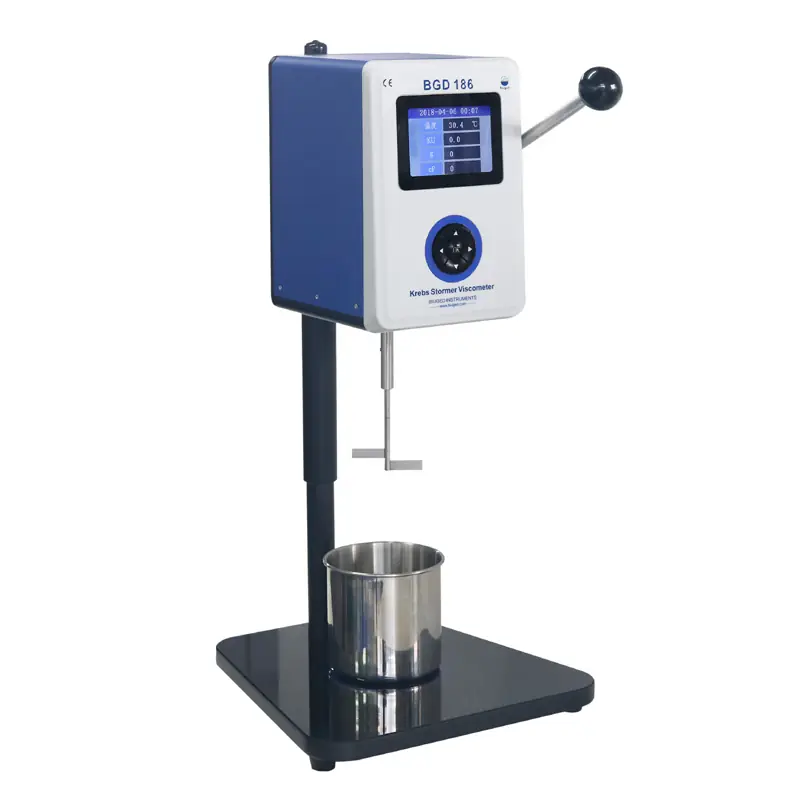
Synthesis: solve the root problem to stop the cycle of replacements
Buy to remove the failure mode you diagnosed, not to chase specs on a brochure. When procurement, engineering, and lab staff agree on the measurement chain, calibration posture, and operator support, the selected instrument will deliver reliable data and lower total cost of ownership. For many labs that alignment has led them to suppliers who pair clear documentation with practical support—partners like BIUGED fit into that role by providing traceable calibration practices, documented demonstrations, and supplier-side training that keep instruments measuring what you need them to measure.
