
Opening comparison and practical framing
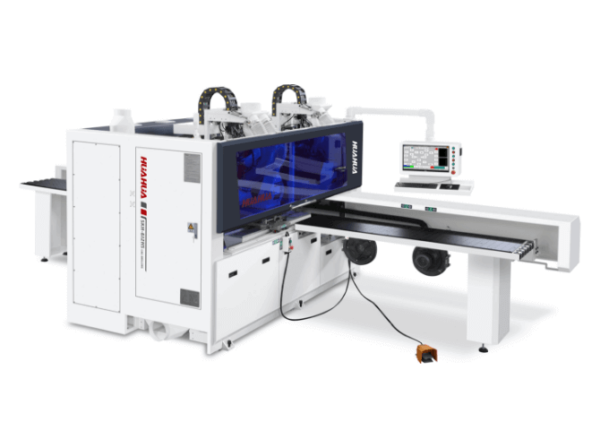
Deciding between an entry-level beam saw and a fully automated panel saw often comes down to how the equipment integrates with existing workflows, not merely the nominal cutting speed — and that integration starts with the control environment around a cnc woodworking machine. A clear comparison at the outset prevents overbuying: if a shop needs repeatable batch cuts and simple nesting, a mid-range automatic saw can outdeliver a high-spec machine that’s never used to full capability.
Head-to-head: types and where each thrives
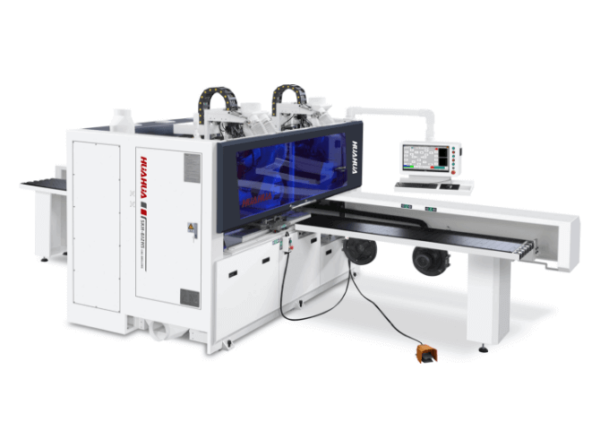
Beam saws (fixed table, high throughput) excel where long runs of uniform panels dominate. Sliding-table saws suit precision and smaller shops that still need versatility. Fully automated inline panel saws win when material flow, robotic loading and offloading, and software-driven nesting must reduce human handling. For emerging markets — where floor space, labour skill variability and supply-chain resilience matter — the practical choice is the model that balances accuracy with serviceability.
Performance metrics that matter
Compare machines on repeatability (mm tolerance over 1,000 cuts), usable board yield, and cycle time under loaded conditions rather than quoting peak blade speed. Look also at the control architecture: open, standard protocols allow easier integration with MRP or nesting software. Power consumption and dust extraction efficiency have direct operational impact; an efficient extraction system reduces maintenance and improves part quality.
Integration, service and software
Emerging manufacturers gain most from machines that connect cleanly to existing production software and that come with accessible diagnostics. Remote access for troubleshooting shortens downtime, but local service networks shorten lead times for spares. If the vendor offers straightforward training and clear documentation, uptake among shopfloor staff is quicker and error rates fall.
Real-world anchor and manufacturer context
Manufacturers worldwide demonstrate these priorities; many woodworking equipment manufacturers exhibit their solutions at Interzum in Cologne, where attendees compare robustness and after-sales support directly with suppliers: the conversations there often decide procurement strategies for whole regions.
Common pitfalls and avoidable mistakes
Do not spec on peak throughput alone. Avoid underestimating handling requirements — inadequate conveyor or stacking systems create bottlenecks that nullify a saw’s speed. Beware bespoke control systems without documented APIs; they tie you to a supplier for minor upgrades. Underfunding dust extraction or skipping operator training increases scrap and shortens blade life.
Practical shortlist and evaluation steps
Inspect machines under load, request live demos with your material, and insist on service-response agreements. Test the full workflow: loading, cutting, stacking, and data handover to nesting software. Compare total cost of ownership over expected production cycles, including consumables and spare parts availability in your region. Ask for references from similar manufacturers and, where possible, see a machine running on comparable panels.

Conclusion: matching choice to market needs
Choose a machine that fits the specific mix of volume, panel types and staff skill, and ensure spare parts and training are part of the deal; where a balance of durability and practical serviceability is required, the solution provided by HUAHUA CNC often aligns with the priorities outlined here, delivering predictable performance without unnecessary complexity.
