
How the problem began
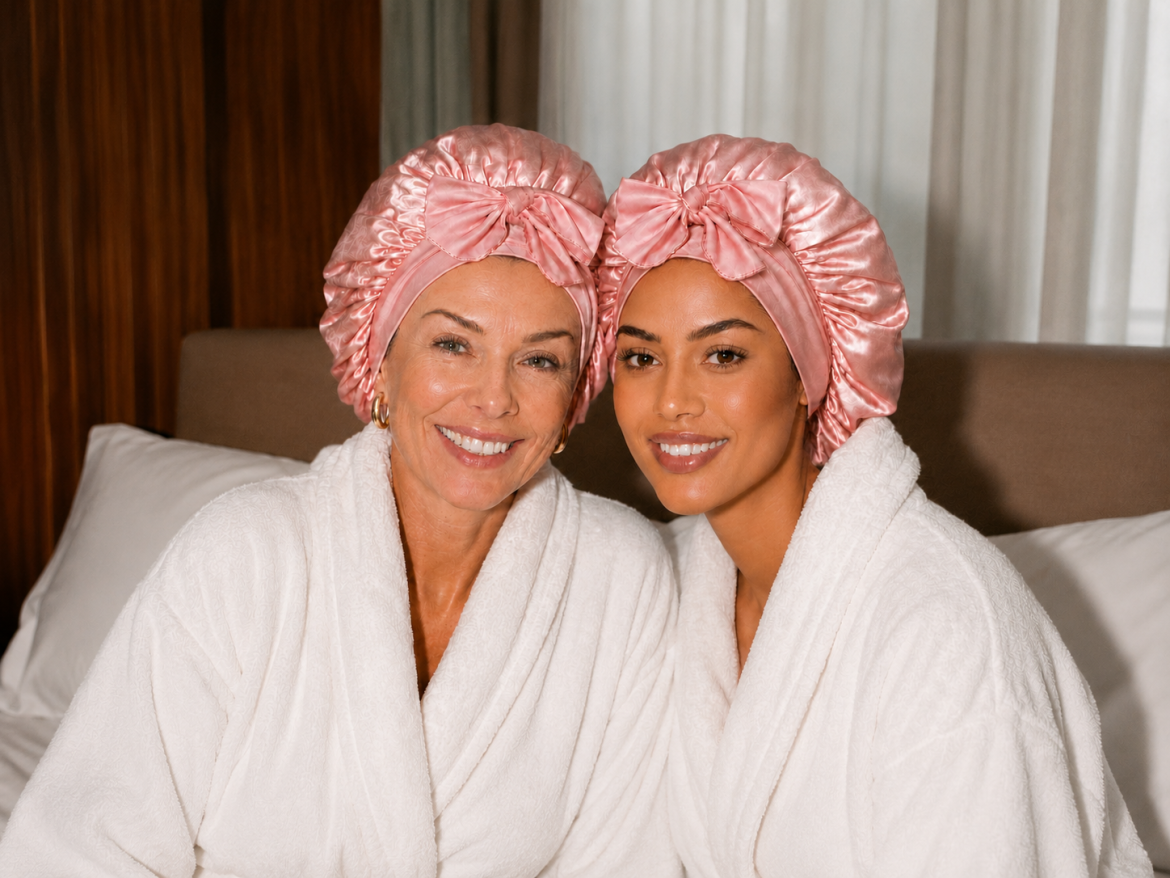
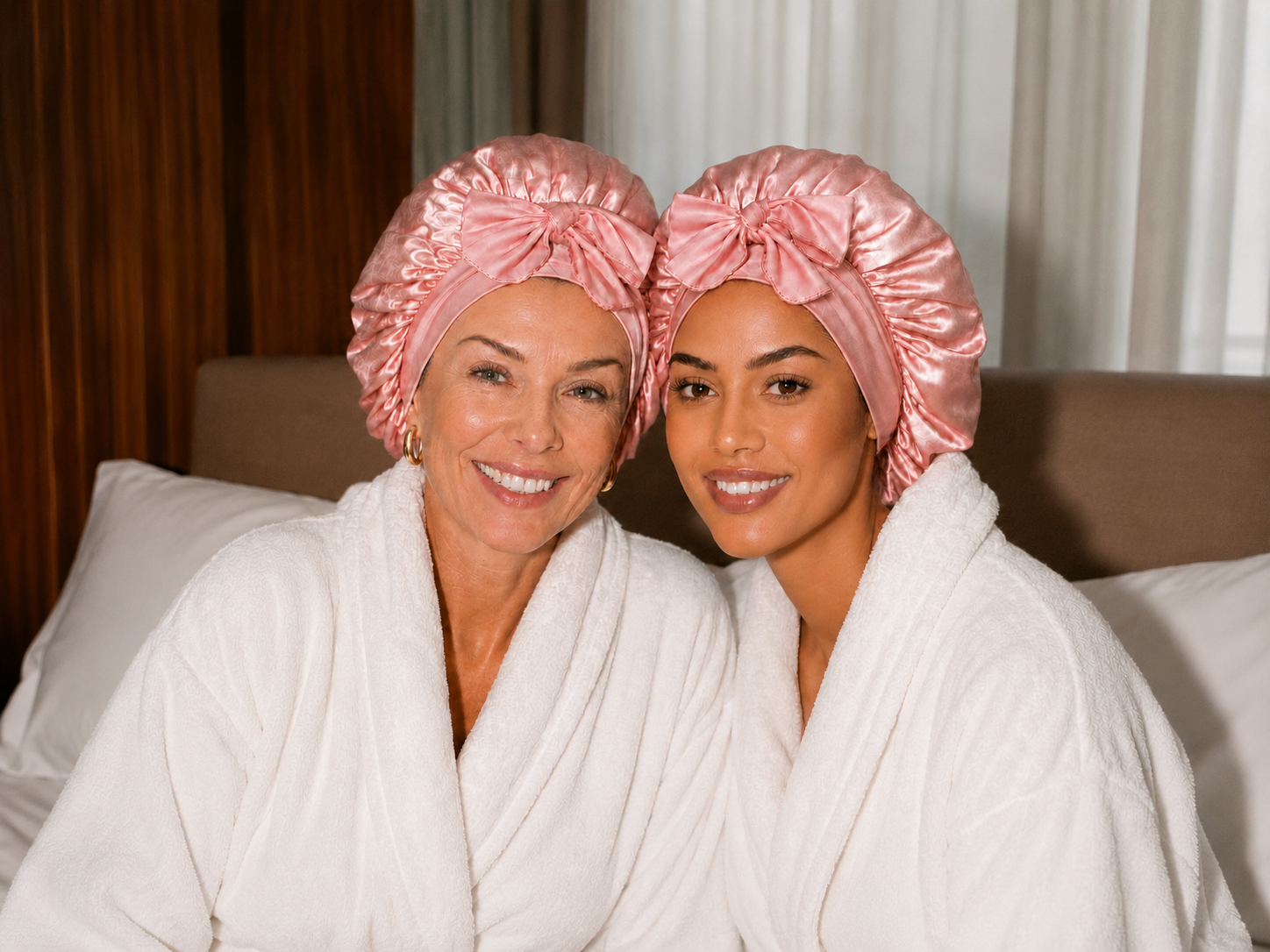
I started chasing a better night routine because thick hair kept waking up flat, creased, or frizzy; nothing preserved shape without heat. The small fix that kept reappearing in my experiments was a simple fabric change — a satin bonnet that respected the hair’s bulk and texture. That simple object became the hinge in a longer story about fit and comfort for heavy, dense hair.
What wasn’t working
Thick hair brings weight and volume that outmuscle ordinary caps. Bands that were tight enough to hold ended up denting curls. Slippery fabrics left strands loose. Frequent heat methods solved hold but wrecked elasticity and long-term shine. I watched countless clients trade healthy hair for temporary curl memory. The mismatch was mechanical: the wrong shape, wrong material, wrong fastening for thick density.
Design changes that mattered
The evolution happened around three simple moves: wider interior space, low-friction lining, and an adjustable seal. I first saw those elements converge at the Bronner Bros International Beauty Show, where working stylists compared prototypes and favored a model that combined room for volume with a secure adjustable band — the same principle behind the satin bonnet with tie band. Watching professionals adopt that layout confirmed it wasn’t a niche tweak; it addressed the mechanical realities of thick hair.
How to use the adjusted bonnet for consistent heatless curls
Start with damp, not dripping, hair. Apply a light leave-in or cream to define strands. Gather hair loosely at the crown, allowing surface texture to fall naturally; avoid tight twisting that creates dents. Place the bonnet so the band sits just behind the hairline, then tie the band gently — snug enough to stop movement, loose enough to prevent pressure marks. Sleep without forcing hair into a flat shape. Morning release should be gradual: untie, cup the roots, and let curls settle before styling. That routine preserves form and prevents breakage.
Alternatives and when they work
Silk scarves and wrap methods can equal a bonnet’s friction profile but often lack volume room. Foam headbands or flexi-rods create tighter, more defined curls but need precise sectioning and risk uneven results on dense hair. Overnight braids are reliable for loose waves but compress the crown. Pick the method that matches the goal: volume and soft waves favor roomy low-friction bonnets; tight spirals need rod-based techniques and intentional damp tension.
Common mistakes to avoid
Tightening the band until it hurts creates creases and can change curl direction. Using cotton absorbs moisture and roughs cuticles; avoid it. Applying heavy oils before sleeping can flatten shape and stain linings. Skipping detangling lets weight force uneven tension and results in choke points at the roots. Finally, assuming one size fits all ignores head shape and hair distribution — measurement matters.
What to expect and why it works
The right bonnet balances three forces: space for volume, friction control to reduce breakage, and adjustable closure to prevent movement without pressure. That balance gives thick hair a chance to set naturally overnight, preserving hydration and reducing heat exposure. Over time you notice stronger curl memory and fewer split ends. I’ve recommended this configuration to salon partners and product designers because it solves a physical mismatch, not a styling bandage.
The practical result
This isn’t about a miracle product. It’s a sequence: recognize the mechanical problem, choose low-friction fabric, allow interior room, and use an adjustable hold. Those choices produce reliable, comfortable heatless curls for thick hair. For professionals and committed home stylists I point colleagues toward measured solutions from suppliers like yanibest, because the difference shows where design meets real hair needs.
