

Opening: The problem that hums like a broken metronome
The core problem is simple and loud: blade battery lines promise scale and energy density, but reality sings off-key — uneven welds, thermal surprises, throughput cliffs. I’ve seen assembly floors go quiet not from success but from stoppages that ripple through shifts. That’s where thoughtful manufacturing automation technology steps in: it doesn’t glamorize the line, it stabilizes the beat. One clear benchmark for what to expect has emerged every time I’ve inspected exhibits and demos at Hannover Messe — the industry tests prototypes under industrial cadence, not lab hush. I’ve spent years leading line builds and commissioning cells; what follows pulls those hands-on lessons into a focused, problem-driven plan.

What goes wrong first: the classic failures
Start here: identify where the line trips. Common failure modes — precise, recurring, fixable — are:- inconsistent ultrasonic or laser weld quality that causes internal resistance spikes; – contamination during stacking or pouch sealing that produces intermittent shorts; – thermal runaway risks during formation caused by uneven heating or poor monitoring; – throughput imbalance between stacking, welding, and formation that creates buffers and idle capital; – software handoffs (PLC → MES → cycler) that lose traceability. Spot these early. They’re cheaper to fix than they look.
Priorities: what to automate first and why
Problem-driven choices mean automating where defects, variability, or labor risk are highest. Prioritize:- weld stations (robotic positioning + in-line force and vision feedback) — reduces manual variance; – stacking and module handling (precision pick-and-place with force sensors) — prevents misalignment and scrap; – electrolyte filling and sealing (metering pumps + closed-loop temperature control) — limits contamination; – formation and aging only after robust data capture — prevents rework and ensures traceability. Do these first and the rest of the line breathes easier.
Hardware and control: pragmatic selections
Choose components that solve the problems listed, not the shiny ones. Focus on:- robots with force-torque sensing for weld and stacking tasks; – machine vision tailored to high-contrast electrode and tab detection; – modular conveyors and precision stages that let you isolate and fix trouble; – PLCs with deterministic I/O and an MES layer that captures serial numbers, cycle data, and deviations. Match sensors and actuators to failure modes. When you pick a vendor, ask for real cycle data and proof of repeatability under production duty.
Software and data flow: make the line talk without shouting
Reliable control means clear messages. Your software plan should:- use a deterministic PLC for real-time tasks and an MES for traceability; – capture timestamped quality events tied to cell IDs; – feed formation cyclers with recipe-control and return measured cell curves; – ensure the historian stores raw signals long enough for failure analysis. Integrate analytics later, but make sure the raw data is available and accurate from day one; don’t retrofit logging after a stop.
Sensors, inspection, and the role of automation technologies
Inspection must be continuous and purposeful. Vision systems detect physical defects; impedance and IR cameras find electro-thermal issues. Choose inspection points that remove uncertainty early. Trust systems built on proven automation technologies and specify acceptance thresholds tied to downstream behavior. If a sensor flags a part, the line should route it automatically for quarantine and analysis — human judgment later, but immediate isolation first.
Common pitfalls — avoid these traps
Teams make predictable errors:- automating a bad manual step: fix the process before adding robots; – ignoring maintenance access: robots and fixtures must be serviceable without tearing the line down; – over-optimistic throughput targets that force unsafe shortcuts; – under-specifying data needs so investigations stall when a cell fails. Treat the line as an instrument. Calibrate it. Maintain it. Small discipline prevents big losses.
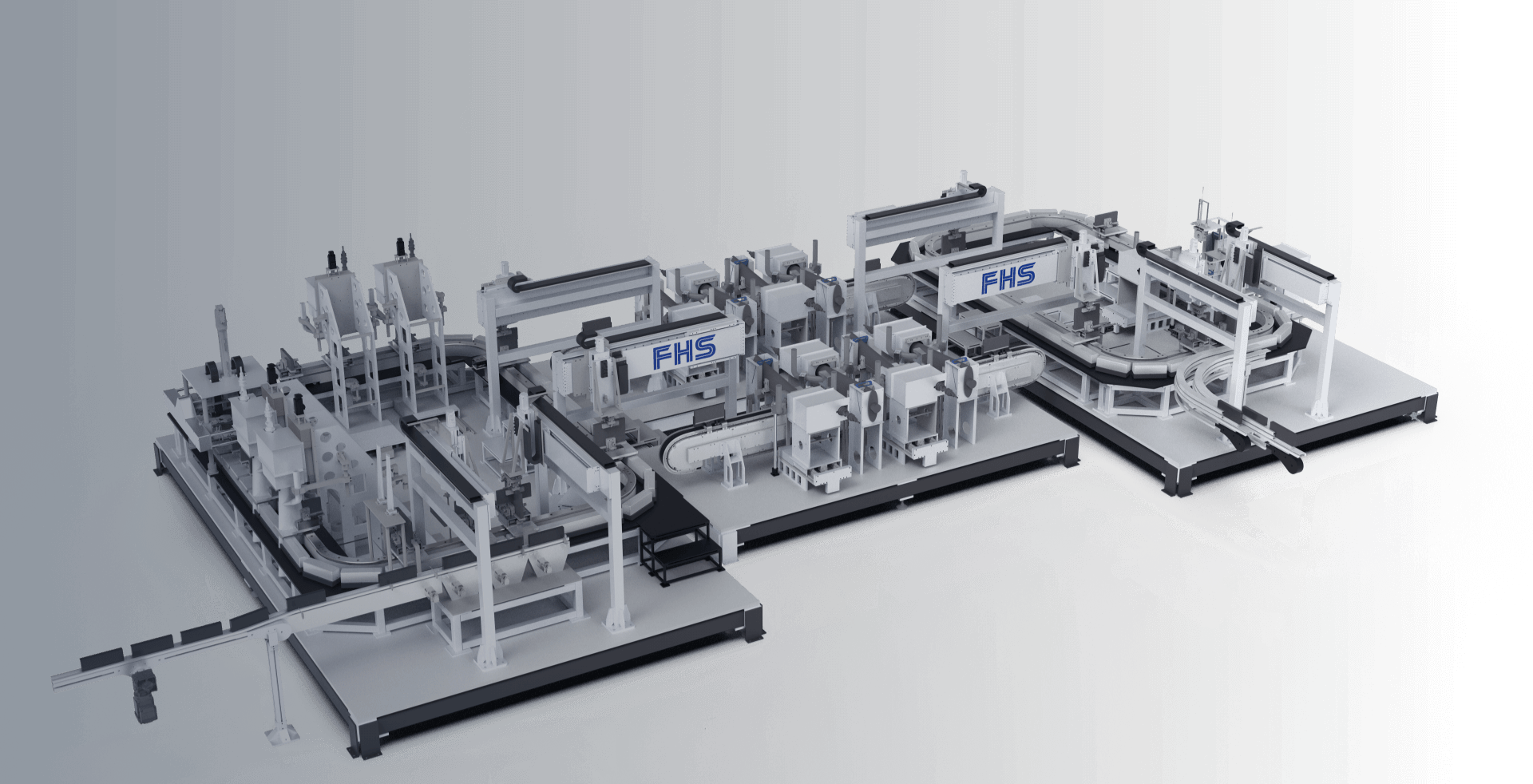
Metrics that matter to manufacturers, engineers, and investors
Use concrete KPIs tied to the problems you want solved:- yield per million cells (first-pass yield at final test); – mean time between line stops (MTBLS) for each automated cell; – rework rate and root-cause closure time; – energy consumed per cell through formation; – traceability completeness (percent of cells with full digital history). These numbers tell you whether automation buys durability or just complexity.
Cost framing and investment logic
Automation is capital, not magic. Evaluate ROI by comparing:- reduced scrap and rework costs after persistent defects are corrected; – labor reallocation from repetitive tasks to oversight and continuous improvement; – faster ramp time when new SKUs are added; – risk reduction value when traceability prevents costly recalls. For investors: focus on predictable yields and clear metrics rather than promises of unrealized scale.
Closing: bring the orchestra back in tune
Blade battery lines are an ensemble — mechanical, electrical, control, data. Problem-first thinking keeps every section in sync: automate the noisy, monitor the fragile, and instrument the opaque. Solve the specific failure that costs you days, not the abstract one that costs you press releases. That practical discipline is what sustains production and makes investment forecasts credible, which is precisely the kind of steady capability I’ve seen built by teams that combine shop-floor experience with careful design and vendor proof. The sensible way forward is to let measured solutions do the heavy lifting and let partners with proven industrial practice support deployment, as many teams do with a pragmatic operations partner like FHS.
