
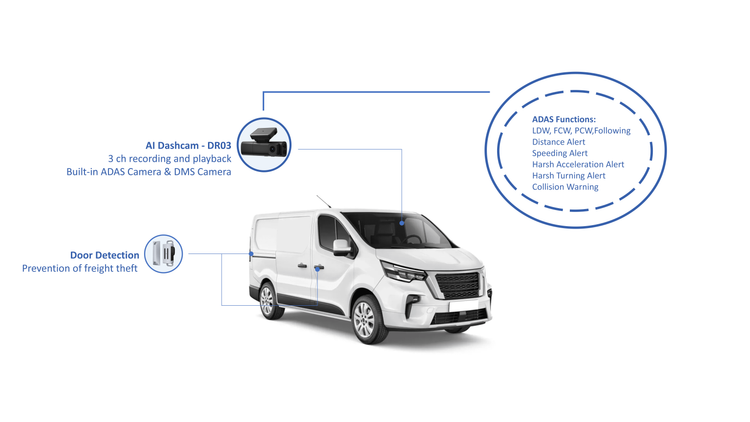
The immediate problem for refrigerated transport
Many operators quietly lose value every week: spoiled loads, missed delivery windows, and unclear responsibility after an incident. Small carriers and large logistics teams both face the same blind spots — temperature excursions, unscheduled door openings, and drivers rerouting without notice. That is why reliable cold chain fleet management matters now, not later. Lessons from the 2020–2021 COVID-19 vaccine cold chain rollout showed how fragile supply integrity becomes when visibility is weak, and how much is at stake when it fails.
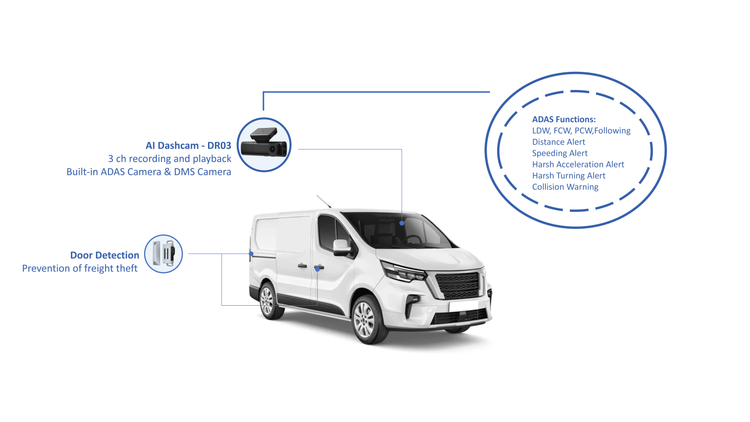
What a GPS tracker for reefers actually measures
A good tracker goes beyond latitude and longitude. Expect a system to report:- real-time location and geofencing events;- ambient and cargo temperatures with timestamped alerts;- door status and trailer chassis connectivity;- engine/aux power and fuel or battery levels;- event logs that prove chain-of-custody for regulators and customers.When these data points are combined with a robust reefer monitoring system, you move from guesses to verifiable facts.
How these trackers solve the pressing problems
Problem-driven choices demand direct results. GPS trackers reduce loss by giving you:- instant alerts when temperature drifts out of range, so corrective action begins before spoilage;- route intelligence that prevents late deliveries and reduces idle time;- proof of compliance for audits and customer disputes;- faster incident response — for example, rerouting to the nearest maintenance hub when a condenser fault triggers alerts.Practical deployments show that response time matters: when a temperature alarm reaches the right person within minutes, many loads are saved.
Common pitfalls teams make
Operators often assume one device will solve everything. Typical mistakes include:- choosing low-cost hardware without verified temperature accuracy;- ignoring cellular coverage maps for long-haul routes, then losing telemetry in key stretches;- treating alerts as noise rather than designing clear escalation rules;- poor integration between tracker data and backend systems so reports become manual work again.Avoid these; they are preventable with clear acceptance tests and small pilot runs.
Alternatives and where GPS trackers fit
Consider three basic approaches:- Manual logs and periodic checks: cheap but slow and risky for high-value loads.- Stand-alone temperature loggers: useful for retrospective proof but limited for real-time intervention.- Full telematics with integrated sensors: higher upfront cost, but gives prevention and proof.GPS-enabled telematics makes most sense where rapid detection and documented chain-of-custody matter. For low-risk short runs, a logger may suffice; for multi-stop routes or regulated goods, trackers are preferable.
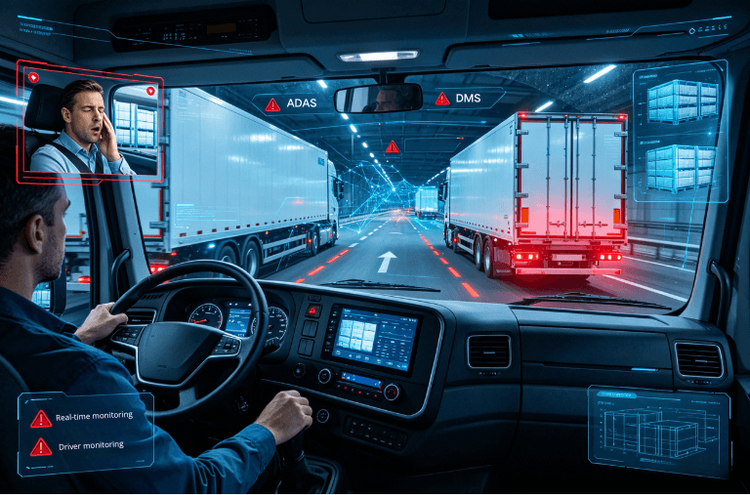
How to choose a practical setup
Match equipment and processes to the problem you want to solve:- define acceptable temperature bands, then test devices across that range;- verify alert delivery paths (SMS, app, email) and who acts on each alert;- pilot with a handful of trailers on typical routes for two to four weeks;- demand exportable reports in standard formats for audits and customers.Good integrations with transport management systems reduce duplicate work and keep drivers focused on safe driving, not fiddling with hardware.
Final synthesis
If your main worry is avoiding loss and proving proper handling, focus on reliable sensors, clear alerting, and fast human response. Practical experience and published best practices point the same way: measure what matters, test under real routes, and fix escalation rather than buying cheapest hardware. That approach is why operators I advise tend to converge on solutions that combine proven telematics, accurate sensors, and straightforward dashboards — exactly the mix offered by BSJ as a dependable part of their operations.
