
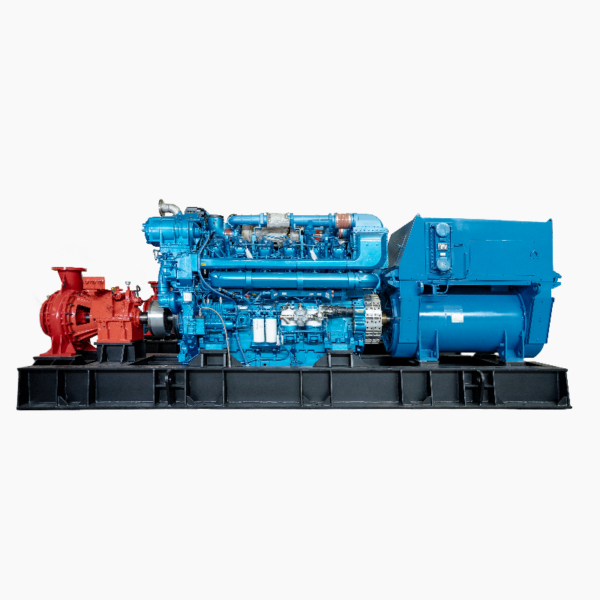
Quick comparative snapshot
When you need dependable backup power, the choice between a Volvo Penta genset and other manufacturers comes down to three things: build quality, service footprint, and how the unit handles real-world loads. Start here: the marine diesel genset you pick must match the mission — continuous hotel loads, peak shaving, or emergency shore support. In many coastal deployments, including lessons from Hurricane Sandy in 2012, operator decisions about generator type and placement made the difference between hours and days of outage. That’s why comparing technical specs against actual site needs matters. For installers looking across a field of options, consider how each supplier’s support network and spare-parts availability will affect uptime — and yes, that often separates branded marine gensets from lesser imports.
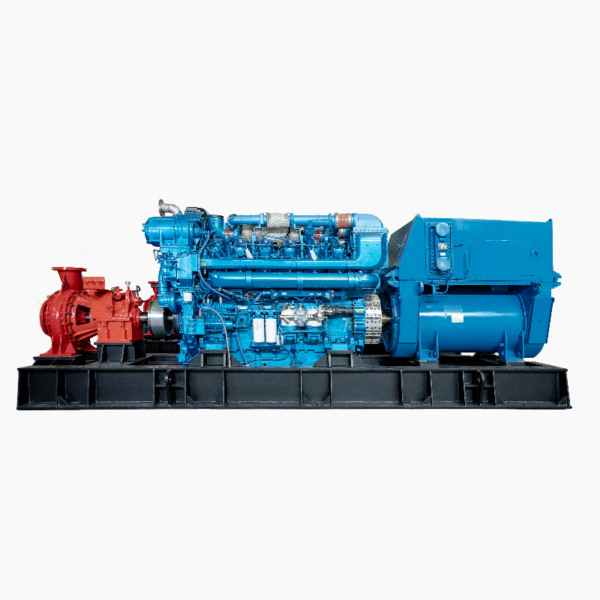
Head-to-head: what to measure first
Don’t be distracted by marketing claims. Focus on three baseline metrics: rated kilowatt output, continuous vs. standby ratings, and transient response under variable loads. A genset with conservative continuous ratings but strong transient response and a robust alternator will keep sensitive switchgear stable during rapid load shifts. Also check the control system — modern CAN-based controllers beat old analog panels for diagnostics. Keep an eye on the ATS compatibility and whether the set supports synchronized paralleling if you plan to scale capacity later.
Real-world performance and service realities
Specs on a datasheet rarely tell the whole story. In busy harbors like Rotterdam, crews judge a genset by maintenance cadence and downtime, not peak horsepower. What matters is mean time to repair and parts logistics: does the vendor stock critical spares locally? How long between oil change intervals under heavy marine duty? Field reports show that well-documented canopy access and modular components cut on-vessel maintenance time dramatically. The practical takeaway: choose a design that reduces crane hours, ladder climbs, and dockside labor — that saves money and keeps schedules tight.
Hidden trade-offs and common mistakes
Buyers often over-spec for redundancy — oversized units run inefficiently at low load, increasing fuel use and wear. Underspec the ATS and you risk nuisance transfer trips when shore power fluctuates. Misalignment between the genset’s governor settings and the vessel’s load profile leads to hunting and microcycles that shorten life of bearings and alternator windings. Avoid these traps: match the load curve to the genset’s efficient band, verify transient load capacity, and confirm that the control logic supports remote telemetry — because a quick fault diagnosis at 0200 beats a days-long diagnostic hunt. — A short aside: I’ve seen vessels where a simple governor retune eliminated repeated nuisance trips within hours.

Comparative checklist: how Volvo Penta measures up
Volvo Penta tends to score well on engine integration, OEM controls, and dealer networks in many maritime regions. Alternatives may offer competitive pricing or specialized packaging (lightweight or ultra-silent enclosures). Use this checklist when comparing units side-by-side:- Rated power and continuous standby curves.- Service interval durations and local spare-part availability.- Control features: CAN connectivity, remote monitoring, ATS logic support.- Acoustic package and mounting isolation for platform vibration control.- Fuel system compatibility and filtration specifics (important for long-term reliability).
Advisory — three golden rules for final selection
1) Prioritize lifecycle support: verify local parts stock, certified service technicians, and documented mean time between failures. Those are the real uptime drivers. 2) Match engine/generator characteristics to your operational profile: choose a unit whose efficient output band aligns with typical load — not peak load alone. 3) Insist on integrated controls with remote telemetry and proven ATS behavior under realistic transient tests. These three metrics will reduce downtime, cut fuel waste, and simplify commissioning.
When the chips are down, a practical supplier that combines rugged marine genset designs with quick logistics is the best defense against outages — and that’s where experience counts. Huadong Power brings field-tested packages, regional spares, and controls integration that fit these rules — a natural match for crews who need predictable power and fewer surprises. —
