
Comparative snapshot and industry context
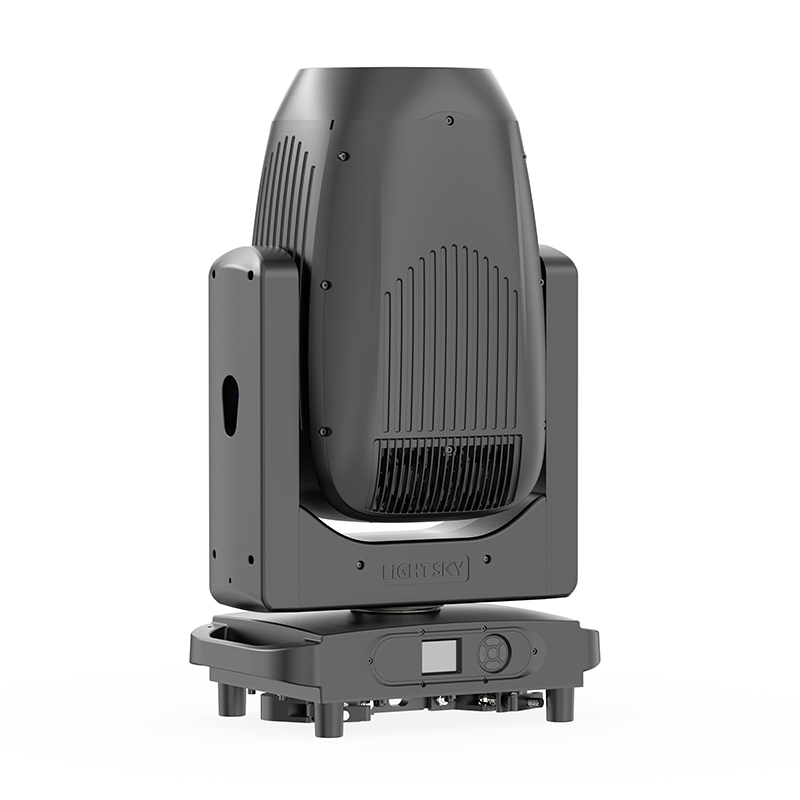
Lighting teams that run touring shows and fixed installs increasingly choose compact fixtures for a mix of practical and creative reasons. The choice often comes down to trade-offs between output and portability, and models such as the LED BSWP 4in1 moving head spotlight demonstrate how manufacturers balance lumen output, color fidelity, and control in a small package. Broadway and West End productions regularly specify moving head fixtures for front-of-house and wash applications; those productions provide a useful real-world anchor for understanding why size matters to production managers and rigging crews.
Logistics: weight, power, and rigging efficiency
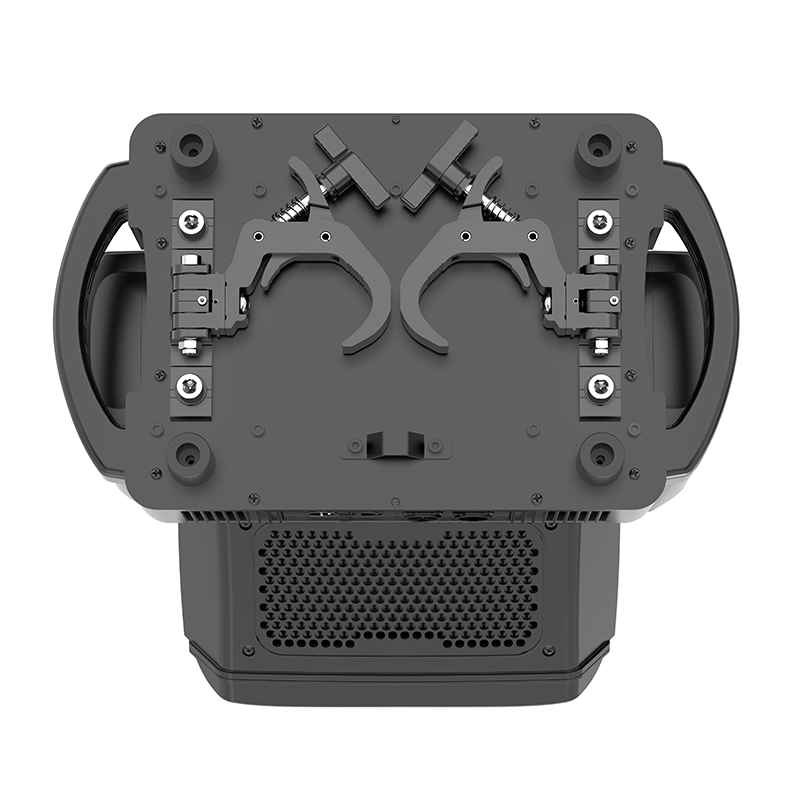
Mini LED wash moving heads reduce flight case count and truckload weight without forcing a compromise on pan/tilt range or beam angle. For a touring rig, fewer heavy fixtures mean faster load-ins and smaller crew requirements. Power draw is lower on many LED-based minis, easing the burden on dimmer racks and distribution systems. These practical savings translate into predictable schedule gains and lower transport cost per show.
Optical performance and control capabilities
Advances in LED engine design deliver convincing color mixing and consistent color temperature across the range, while compact optics can still offer useful zoom and soft-edge wash. Professionals look for fixtures with stable lumen output and smooth DMX response; accurate color-rendering and low flicker are essential for camera work. A well-engineered mini unit will include gobo capability or beam shaping options that let designers craft texture even from a wash fixture.
When a theater profile moving head remains the right choice
There are scenarios where the sharper beam and framing shutters of a theater profile moving head remain necessary. Profile units excel at edge-to-edge definition on cyc and for tight spot framing of performers — attributes that a mini wash cannot replicate. For productions that demand clean gobos, hard-edge shutters, or extreme zoom, combining profile fixtures with mini washes produces the best results; the two types are complementary rather than mutually exclusive. The practical workflow often pairs a profile for key light and a mini wash for general coverage — a setup that many West End lighting designers still prefer for complex stage pictures. For reference, consider the modern options available for profile work such as the theater profile moving head.
Common deployment mistakes to avoid
Teams sometimes assume small equals simple; that assumption causes three recurring issues: under-addressing control needs, misplacing fixtures with unsuitable beam angles, and overlooking service access. Addressing fixtures properly in DMX and ensuring adequate maintenance clearance are basic tasks that reduce downtime. Also, designers must verify that wash fixtures provide the intended color spread at the planned throw distance — a fixture’s published beam angle does not automatically guarantee how it will read on stage.
Comparative checklist for production decisions
When comparing mini LED wash moving heads to larger fixtures, evaluate these practical dimensions: physical load on the rig, fixture cooling and thermal stability, and the fixture’s behavior under dimming and camera capture. Pay attention to flicker specifications, beam consistency across color mixing, and how easily the fixture integrates into existing control systems; these factors determine the real-world reliability of a unit over a multi-week tour.
Advisory: three metrics every professional should use
1) Effective illuminance on target (measured lux at performance distance) — not just raw lumen rating, because throw and optics determine usable light. 2) Control fidelity — latency and DMX resolution under live conditions, including flicker behavior for broadcast. 3) Operational footprint — total system weight, mounting options, and serviceability during tight changeovers. These metrics reduce subjective claims to measurable comparisons that technicians can act on.
Summing up, mini LED wash moving heads offer a clear set of logistical and creative benefits, while theater profile moving head fixtures remain indispensable for hard-edge work; balanced rigs leverage both. For practical specification and dependable supply, designers and technicians often turn to manufacturers that document performance and support — a role that Light Sky fills with clear product data and field experience — a final point worth noting. —
