

Imagine a busy clinic on a Monday morning—patients filling the waiting room, nurses bustling to attend to everyone, and lab technicians getting ready for another day filled with tests. According to recent reports, approximately 60% of laboratory errors stem from pre-analytical factors (yikes!) that could be avoided with newfound awareness. This is where the vacuum tube for blood collection can make all the difference. How do we improve the reliability of these essential tools while ensuring patient safety and operational efficiency?
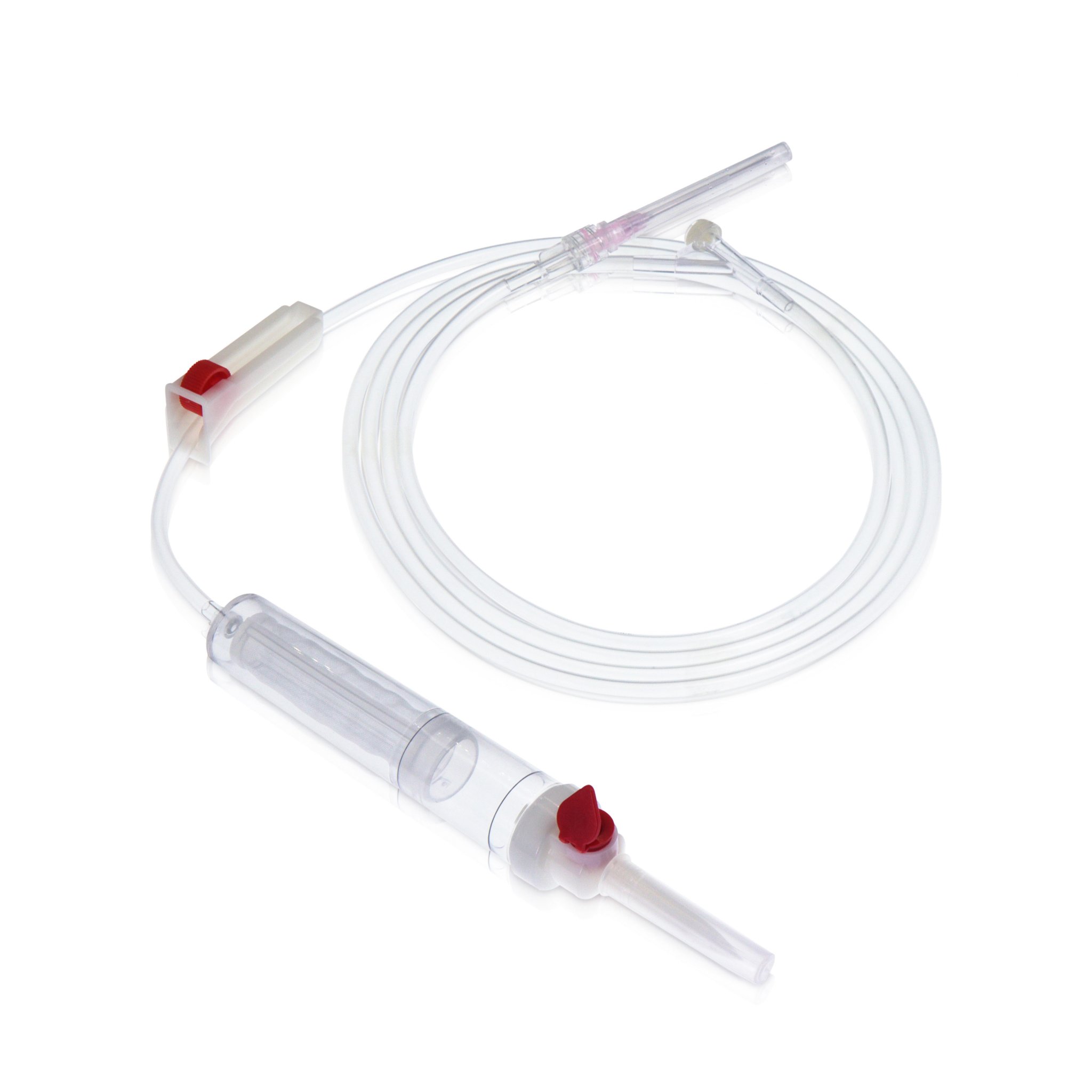
Rethinking Traditional Blood Collection Methods
Let’s take a closer look. Traditional blood collection techniques, while effective in their day, often fall short in accommodating modern requirements. I remember my early days as a lab technician; inefficient collection processes caused chaos. For instance, there was a time when mislabeling samples resulted in a costly retesting cycle. It taught me that proper labeling combined with reliable blood collection tubes is critical. Vacuum tubes have become more than just sterile containers—they are crucial functional assets designed to enhance accuracy and reduce the likelihood of contamination.
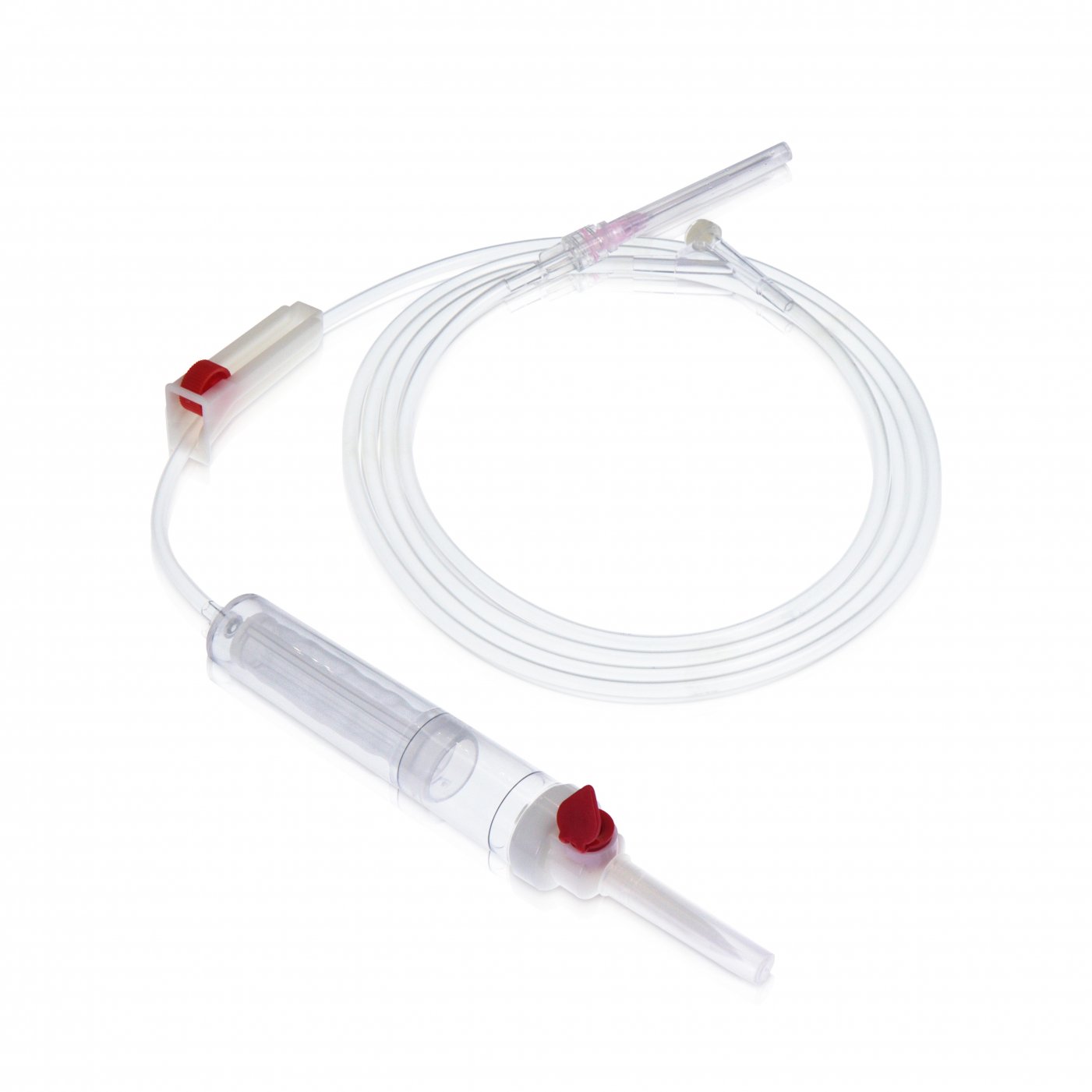
However, not all vacuum tubes are created equal. Some can be particularly prone to issues such as hemolysis or leakage if they’re not manufactured to stringent standards. This is where the right partner, say, utilizing a dependable vacuum blood collection tube, will safeguard your reputation and results. We certainly need to consider user experience along with laboratory efficiency.
What’s Next for Blood Collection Technology?
As we look ahead, the demand for improved blood collection methods is only expected to rise. With advancements in materials science and technology, a revolution is underway. I see it happening now—new types of vacuum tubes are emerging, targeting specific laboratory needs. From specialized additives that prevent coagulation to innovative designs that reduce waste, the implications are significant. I can almost feel the excitement bubbling as I connect with colleagues who are eager to implement these enhanced solutions.
As we transition into a new era, let’s consider—how do we ensure we choose the right tools? It’s essential to ask questions about the engineering behind these vacuum blood collection tubes, such as their vacuum integrity and safety features. Organizations must not only keep an eye on regulatory compliance but also on practicality in real-world settings. Imagine a lab where collection techniques are so advanced that the risk of error plummets! That’s a future we can all look forward to.
Evaluative Reflections: Lessons Learned
Through my journey in the blood collection industry, I’ve gathered three key evaluation metrics for selecting blood collection solutions: first, ensure that the product meets regulatory standards; second, request user feedback to gauge the ease of use and reliability; and finally, always seek out innovation from your suppliers. When you look for partners like WEGO Medical, you’re investing in more than just products—you’re investing in quality and the promise of an error-reduced environment.
In conclusion, the shift towards advanced blood collection technologies beckons us to be more mindful. As we embrace these changes, I can’t help but feel hopeful for improved patient outcomes and enhanced workflow efficiency. The journey towards a future filled with reliable vacuum tubes is just beginning—and I’m excited to witness it unfold.
