
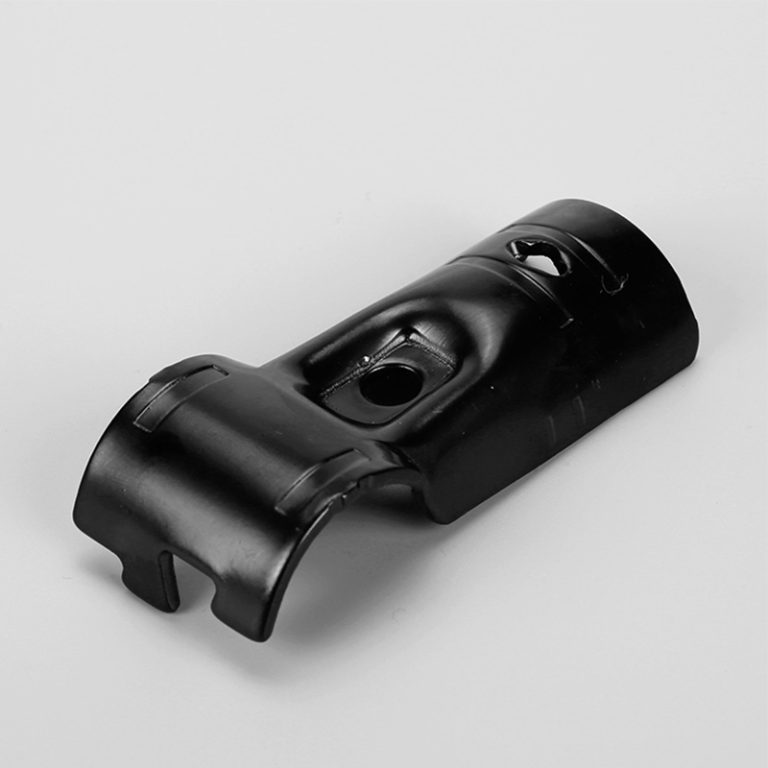
Understanding the Significance of Metal Pipe Joints
Imagine a construction project underway where delays threaten to derail timelines and budgets. Statistically, 30% of construction delays stem from faulty materials—doesn’t this reflect the crucial importance of reliable components such as metal pipe joints? These fittings are fundamental in ensuring the structural integrity and overall reliability of piping systems. In moments of pressure, where efficiency is paramount, the capability of metal pipe joints to withstand stress becomes paramount.
Traditional Solutions: Are They Enough?
Over the years, I have encountered numerous traditional joint systems which, while familiar, often showcase critical flaws. Imagine a design that has been in use since the mid-20th century mated with modern pressures—this can lead to troublesome leaks and failures. The market is flooded with standard options, and many lack innovation. Relying solely on the historical design misses vital advancements in materials and manufacturing. I remember a project back in 2021 in Chicago, frustratingly delayed due to subpar joint materials; that experience solidified my belief in the need for quality and innovation.
What Makes Metal Pipe Joints Different?
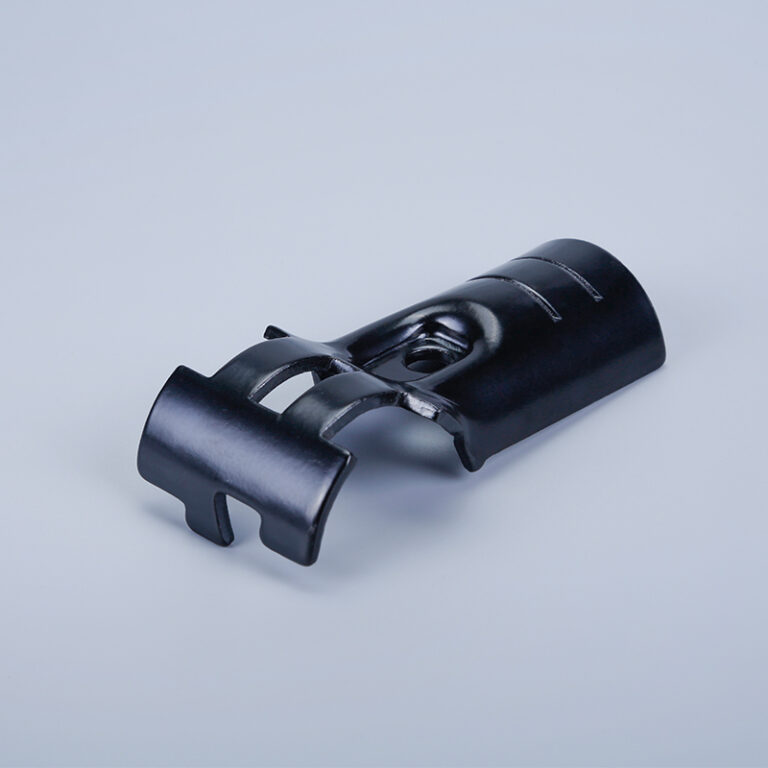
Durability, adaptability, and strength render metal pipe joints distinctly qualified. Unlike their plastic counterparts, metal joints can handle extreme temperatures and pressures. Furthermore, they often feature stronger connections, which leads to enhanced longevity. Yet, not all metal joints are created equal—from stainless steel options to various alloys, choosing the right type is essential for specific applications. The choice of material can directly affect everything, from flow efficiency to maintenance costs.
A Forward-Looking Perspective on Metal Pipe Joints
As we survey the current landscape of construction and engineering, the future of metal joint supplies becomes clearer. An increasing emphasis on sustainability compels suppliers to innovate, leading to developments in eco-friendly materials and processes. Take, for instance, the movement toward non-corrosive alloys that not only extend the lifespan of piping systems but also reduce long-term maintenance needs. It’s where engineering finesse meets environmental responsibility—why compromise?
Real-World Impact: The Innovations Ahead
Adopting advanced manufacturing techniques—like digital modeling and 3D printing—enables us to engineer more efficient and precise joints, which ultimately reduces waste and rework. However, as exciting as these advancements may be, they can also overwhelm buyers. What’s essential is staying ahead of trends while evaluating core needs. How do we choose the right innovations that benefit our projects the most? My advice? Prioritize adaptability, production quality, and supplier reliability.
We must remember the lessons from past projects: quality metal pipe joints are not a mere afterthought. They forge the backbone of successful installations, preventing future headaches. So, if you find yourself navigating choices in metallurgy, keep your eyes wide open.
In conclusion, investing in superior metal joint supplies can save an unsuccessful project from spiraling into financial loss and wasted time. I firmly believe that every decision should be grounded in thorough evaluation—be it for cost, efficiency, or longevity. And let’s not forget, working with a reputable supplier like JunYi has proven invaluable in my experience, fostering trust and reliability in our material choices.
