
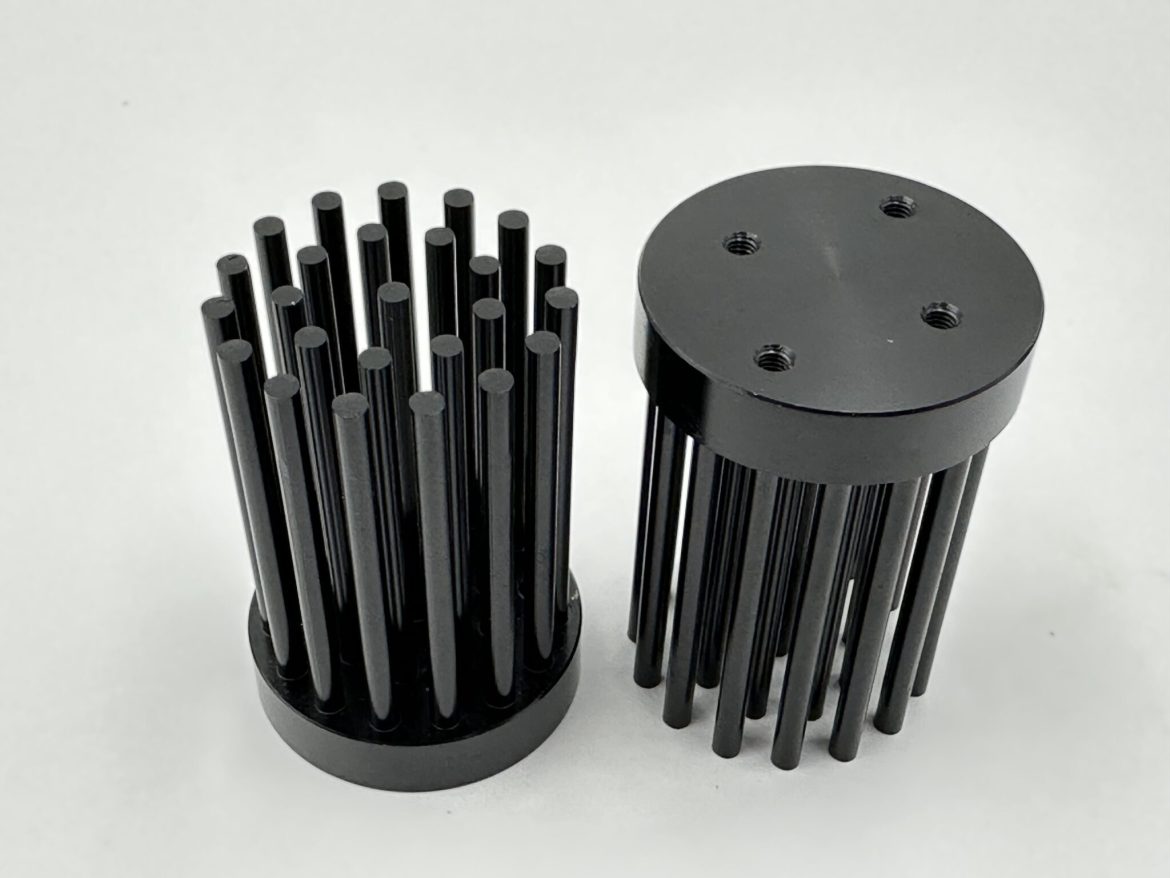
In today’s fast-paced technological landscape, effective heat dissipation is vital for electronics. Why do failures always occur during critical operations? One contributing factor could be the inefficiency of traditional cooling methods. The introduction of cold forged heat sinks can significantly address this issue, showcasing a breakthrough in thermal management technology.
Understanding the Flaws of Traditional Solutions
Traditional cooling solutions, such as aluminum extrusions and machined components, often suffer from limitations in thermal performance and structural integrity. Inconsistent heat distribution leads to hotspots in electronic devices, which could result in overheating or even failure. These issues are exacerbated by larger electronic assemblies requiring more effective thermal management systems. Consequently, reliance on these outdated methods may not only compromise device longevity but also affect overall performance.
Principles Behind Cold Forged Technology
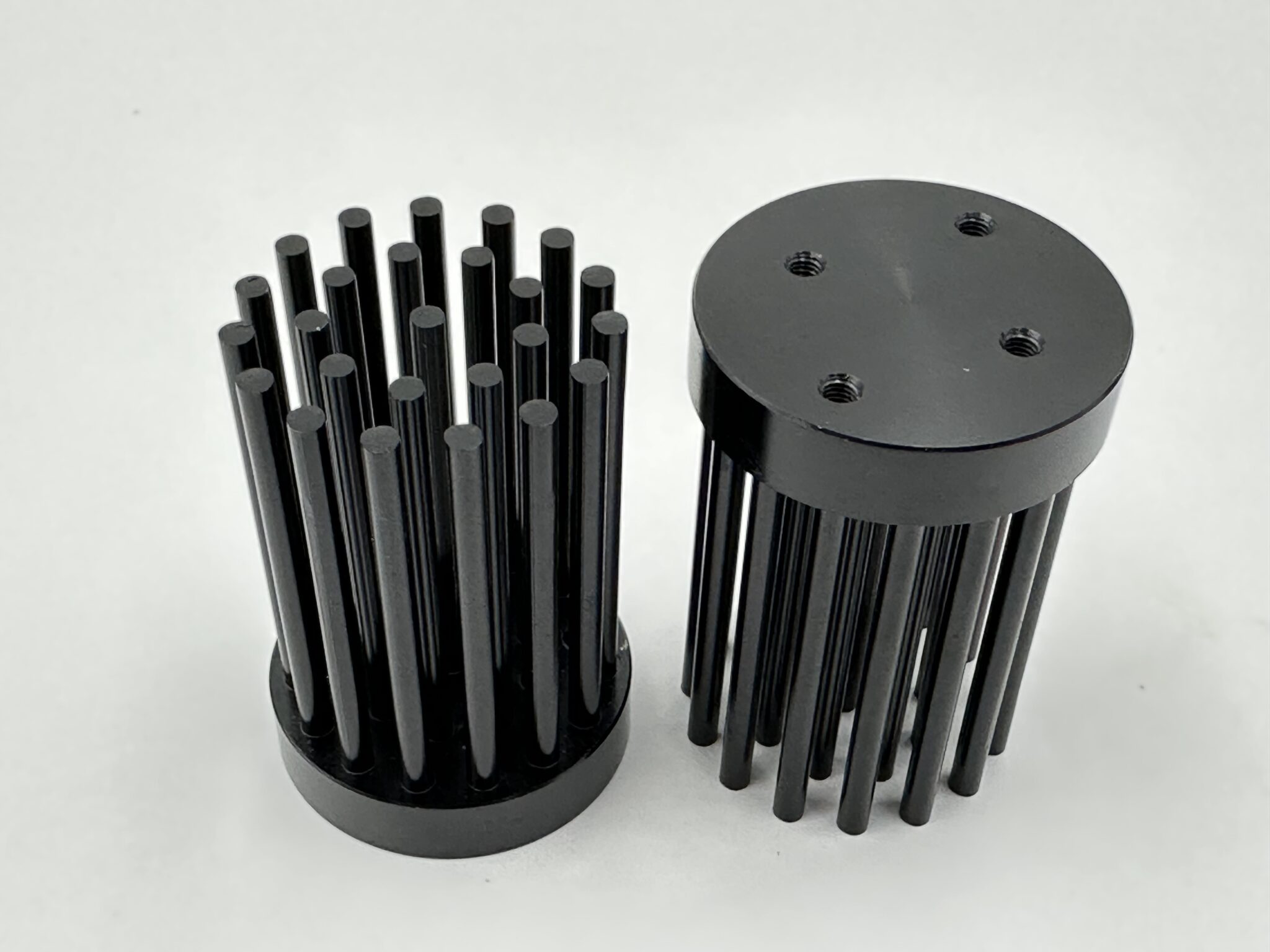
Cold forging presents a novel and efficient method for producing heat sinks. By deforming the material at room temperature, manufacturers create components with superior characteristics — higher density, increased thermal conductivity, and precise geometric profiles. The process results in a material structure that can withstand considerable thermal and mechanical stress, enhancing biocompatibility for medical applications or improving performance in rigorous environments like edge computing nodes.
Quantified Benefits for Users
Adopting cold forged heat sinks yields significant benefits: reduced weight, improved thermal efficiency, and streamlined manufacturing processes. Users can experience a notable decrease in the overall dimensions of cooling solutions while enhancing their performance. For instance, switching to a cold forged design could reduce thermal resistance by up to 30%, translating into lower operating temperatures for critical components. This is a compelling advantage for engineers looking to increase the reliability of their designs.
Conclusion: Essential Evaluation Criteria
When considering different solutions for thermal management, always verify these three metrics: ① Thermal performance ② Structural integrity ③ Manufacturing cost-effectiveness. Each plays a crucial role in the selection of cooling technologies, particularly when manoeuvring through the complexities of modern electronics.
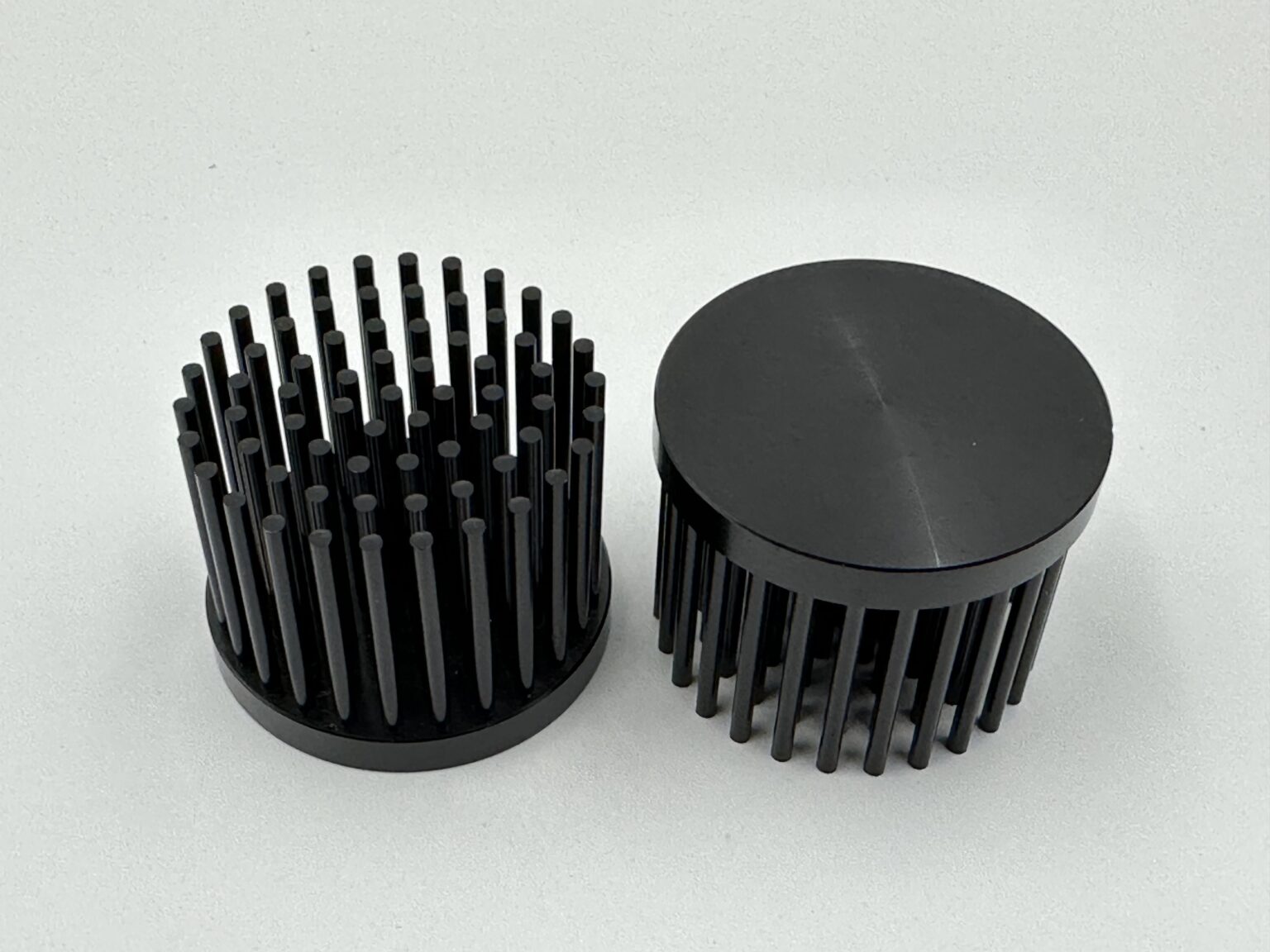
Additionally, opting for components like a forged heat sink can directly impact the efficiency of your designs. It’s time to consider new advancements that enhance the cooling process without compromising on quality.
Furthermore, you’ll find that the efficiency of a forging heat sink can simplify your designs by offering lighter weight with enhanced performance features. With the right partner, achieving effective thermal regulation becomes an easier task than anticipated.
In summary, cold forged heat sinks emerge as a vital component in the future of electronic cooling solutions. Their advanced design capabilities and benefits surpass those of traditional options, ultimately providing users with enhanced reliability, performance, and resource efficiency. For anyone in search of high-quality manufacturing, Dingmetal stands out as a brand with significant supply advantages.
