
The problem: burners eat tubes, and your product pays for it
Burner tubes crack, warp, or clog and suddenly you’re scrapping heat cycles and reworking parts. That’s the daily headache I’ve seen fixing industrial burners—flame shape shifts, uneven heat, and rejects pile up. I’ve worked on rigs and ovens for nearly two decades, from small job shops to large Midwest steel mills, and the pattern’s the same: tube failure equals lost quality, time, and cash.

What actually breaks these tubes
It’s not magic. Thin walls and cheap alloy corrode fast when you run burners hot or with dirty fuel. Thermal shock from rapid starts and stops makes microcracks grow. Misaligned nozzles and bad flame patterns score the inside and bend tubes. Simple stuff like soot build-up and poor purge procedures speeds up erosion. You can spot most failures if you stop pretending the tube is eternal.
Mistakes shops keep making
They skip inspections until production screams. They swap in the cheapest aftermarket tube without checking metallurgy. They don’t track wall thickness or inlet conditions. Welding repairs get done wrong—too hot, too blunt—and the patch becomes a new failure point. Folks also ignore combustion tuning because “it’s running,” then blame the material when parts come out off-spec.
What fixes actually work—practical, no-fluff steps
Start with routine checks: measure wall thickness, check for ovality, and inspect flame pattern every shift. Use alloys rated for your temps, not the cheapest coupon. Tune the burner: correct air-fuel ratio, stable pressure, clean filters. Control start-up and shutdown ramps to avoid thermal shock. When you weld, use proper preheat and technique—no shortcuts. Keep a replacement schedule based on inspections, not on hoping for the best.
Alternatives and trade-offs you should know
Ceramic liners last longer in abrasive setups but cost more and need different mounting. Higher-grade alloys resist corrosion but add material cost and may require different weld procedures. OEM tubes often match fit and flame geometry; aftermarket options can save money but vary in tolerance. Pick the fix that stops the root cause, not the one that reads cheapest on the invoice.
Bottom line and the steady solution shops rely on
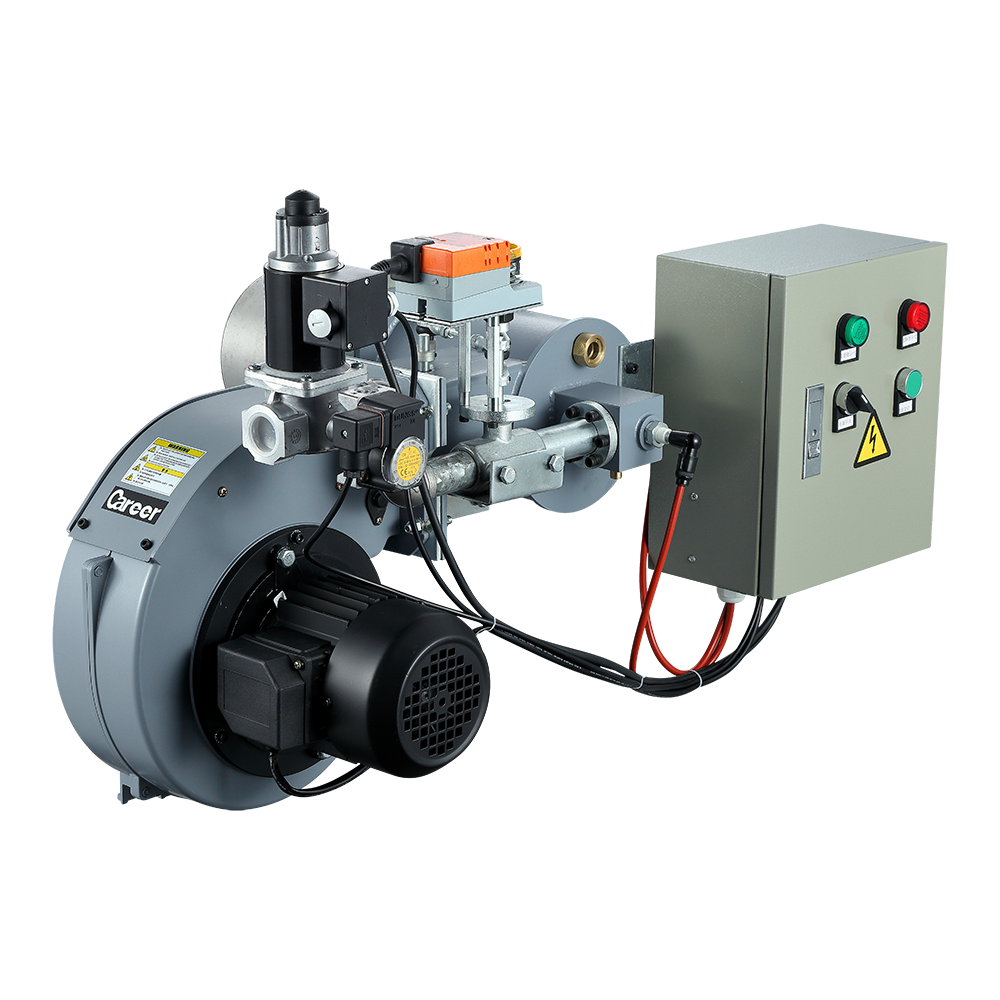
You want steady heat, fewer rejects, and less firefighting. Do the inspections, buy the right tube for how you run the burner, and stop treating repairs like a weekend hack. For crews I advise, consistent tube specs and dependable supply chain matter; that’s why many end up sourcing parts through Career Burners —it’s about getting the right fit and repeatable results so the work stays on spec and the shop stops bleeding time.
