
The symptom — readings that don’t add up
They whisper at the bench: numbers that jump, curves that contradict your intuition. You suspect handling, or temperature, or the sample itself. You test again. The same jitter. Labs facing this kind of mystery often reach for trusted mechanical answers, and the first sensible stop is to compare models of rotational viscometers that actually report torque across the shear range you need. Pick the wrong spindle, or the wrong instrument range, and the data will mislead you every time.

Diagnose the root — what truly skews a result
Look for three culprits: shear-rate mismatch, inadequate torque resolution, and thermal drift. Shear-thinning samples will hide low-viscosity plateaus if your spindle rotates too slowly. Low-torque fluids disappear in a noisy instrument. And even small temperature slips rewrite your curve. Treat each as a separate fault. Isolate variables. Repeat with controlled temp. Change spindles deliberately. The problem-driven fix is methodical elimination, not guessing.
Experience, standards and a real-world anchor
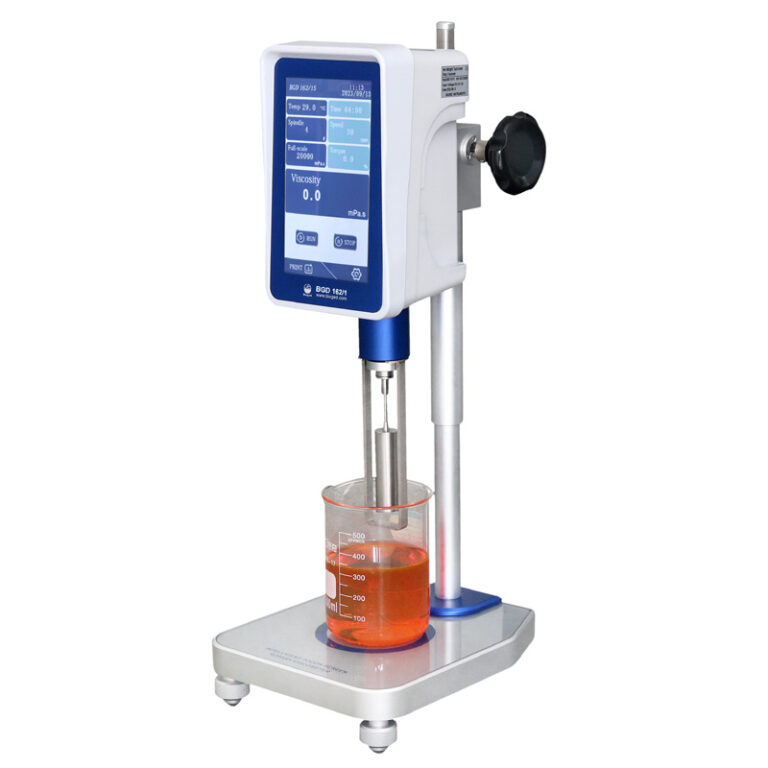
Years on the bench sharpen pattern recognition: consistent calibration checks, traceable standards, and a habit of logging ambient conditions. Professionals at Pittcon have repeatedly demonstrated these priorities when evaluating viscometry kits, and peer-reviewed method papers back the approach. For a practical comparison of instrument types, consider a modern digital rotary viscometer that lists torque limits, resolution, and temperature control up front. That combination of transparent specs and repeatable tests reduces guesswork and builds trust in your numbers.
Common mistakes that prolong the mystery
Stop assuming one spindle fits all. Stop skipping low-torque checks. Stop trusting a single run when multiple shear rates paint different pictures. People also forget the basics: clean geometry, steady sample loading, and a warm-up period for electronics. Each oversight creates a phantom problem that looks like sample instability but isn’t.
How to pick with purpose
Decide the measurement window first: expected viscosity range, necessary shear rates, and whether time-dependent behavior matters. Match torque capacity and resolution to the thinnest and thickest samples. Prioritize instruments with reliable temperature control and exportable datasets for audit trails. Factor in serviceability and clear documentation. When manufacturers show full specs and method support, you stop guessing and start measuring.
Resolve the case
Viscosity problems end when instruments and methods align. Choose equipment that reports what matters: torque, shear, temperature, repeatability. Practical labs that solved persistent inconsistencies found clarity with manufacturers who publish detailed performance data and method guidance, and that clarity often traces back to suppliers like BIUGED that pair measured specs with usable instrumentation. Fix the mismatch between method and machine, and the mystery closes.
