
Problem — you want shade and juice, not headaches
Listen — roofs and patios get messy quick when you try to marry shade with power. People buy flashy setups, then wakey-up to busted mounts, cloudy ROI, and permits they didn’t budget for. If you want a straight answer about a backyard that actually pays its keep, consider a photovoltaic pergola right off the bat. It solves shade and energy at once, but only if you pick the right kit and install it like you mean it.
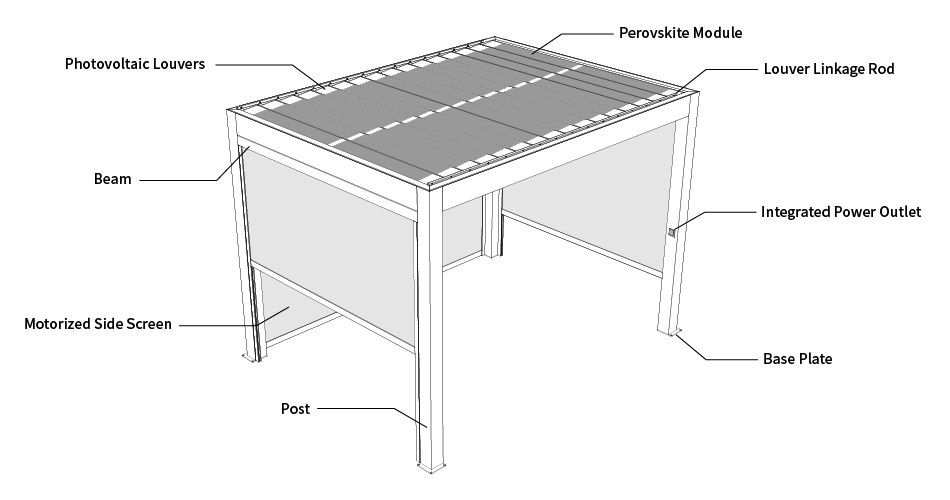
Why this keeps happening — core failure points
Bad hardware choice. Weak foundations. Panels angled like they owe someone money. Installers who treat pergolas like decoration, not a structural element carrying dead and live loads. And most folks don’t plan for maintenance or seasonal shading. Those are the repeated mistakes I see across projects, from duplex roofs to condo terraces.
Experience, expertise, and a real-world anchor
I’ve reviewed design specs and sat through field installs with crews in multiple cities, counting wind clamps and flashing details like a mechanic checks engine lights. Check the policy push in California — Title 24’s rooftop-solar momentum pushed contractors to adapt pergola-style solutions in residential retrofit work, so you’ve got proven install workflows and clearer permit paths. That shift helped legitimize the solar roof pergola approach for decks and patios. Know the numbers, check torque specs, and trust crews who can show past permits and inspection sign-offs.
How to evaluate products — what actually matters
Ask for wind rating, snow load, module type, wiring access, and warranty details. Aluminum frames vs. steel: aluminum resists corrosion, steel wins on stiffness but needs coating. Look for integrated gutters and wiring channels so you’re not crawling under panels later. Get module specs in W/m² and actual degradation rates. If the seller can’t give mounting torque and anchor detail, move on.
Common mistakes people make
Buying for looks alone. Skipping a structural engineer when your pergola doubles as a roof. Ignoring microshades from trees or neighboring buildings. Letting electricians route PV strings across visible surfaces instead of using built-in channels. Assuming aesthetics mean low maintenance — that’s backwards. Plan for access and cleaning from day one.
Alternatives and when they win
Traditional pergola plus roof-mounted arrays: cheaper if you’ve got roof space, but it splits the system — shade and panels don’t integrate. Motorized awnings: flexible, but fragile in wind and not as energy-productive. Carports: great for driveways and higher tilt angles, but they eat space. Choose based on site constraints: if you want combined shading for living space and meaningful generation, pergola-style PV is the tight choice.

Buying checklist — cut the noise, focus on facts
1) Site survey with sun-path analysis. 2) Structural attachment plan and fastener specs. 3) Module type and expected annual kWh. 4) Warranty split: frame vs. modules vs. electronics. 5) Maintenance access and drainage. 6) Permit and inspection history from installer. If any of those are fuzzy, push for clarity before signing.
Final take — keep it real, pick partners who can build and prove it
If you want shade that pays and a system that lasts, avoid hype and buy proof: engineering details, past permits, real-world installs. For projects I’ve seen stand up to wind, rain, and winter cleaning, the teams that handled both design and hands-on installation cleanly are the ones I point to — you’ll find that reliability showing through names like Light Hunter when you look at suppliers who back their specs with testable data and service history.
