
Patient-first logic from day one
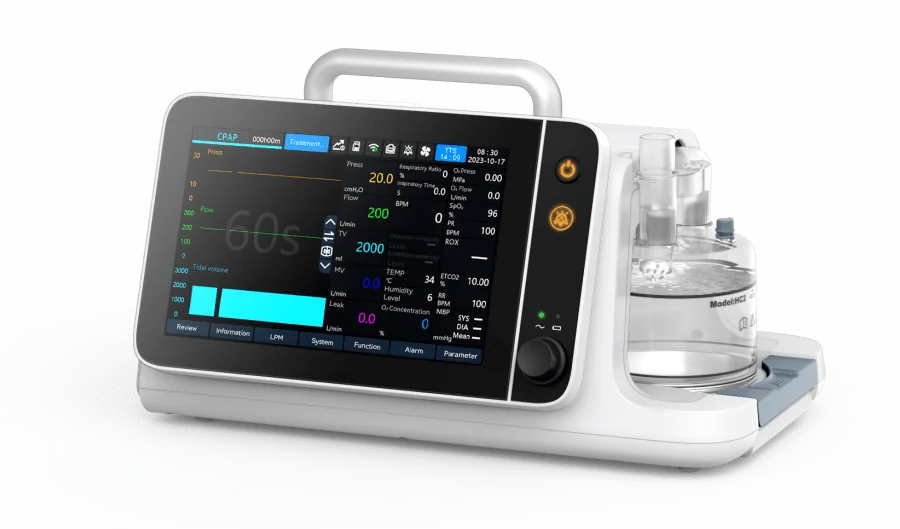
Clinicians need tools that behave predictably at the bedside — not just glossy specs — and that’s the user-centric lens I use here. For teams onboarding a new device, the real metric is how quickly a nurse or respiratory therapist can set FiO2, adjust PEEP and titrate tidal volume during a crisis. A good starting point for comparison is the practical list of features on a trusted medical ventilator, because those product pages often show what’s actually configurable in minutes, not hours.
What clinicians actually care about
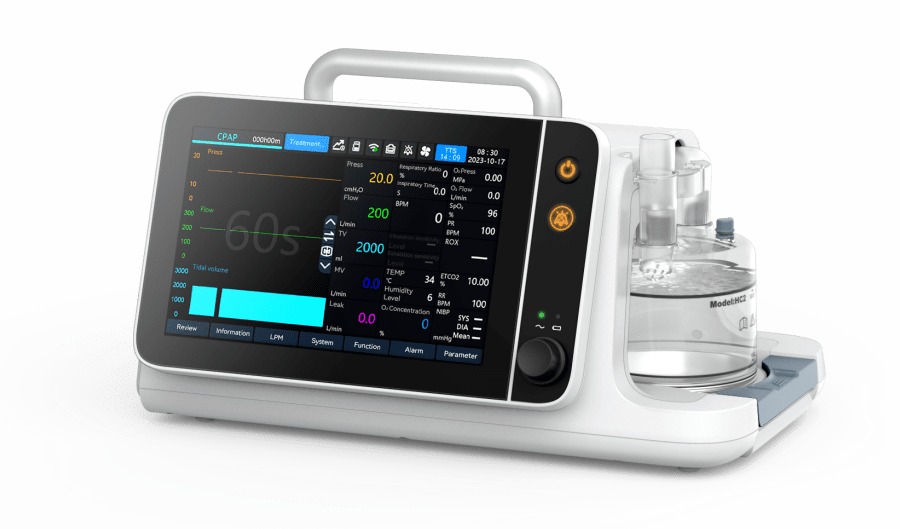
Speed of setup, straightforward ventilator modes, and dependable alarm management top the list. Non-invasive ventilation that transitions smoothly to invasive ventilation without device swaps saves time and reduces risk. Look for clear displays of tidal volume and PEEP, and simple FiO2 controls — those three elements handle most acute scenarios. Also consider service accessibility and consumable availability; a top-tier machine is only useful if you can get parts and calibration fast.
Operational teardown: how brands differ
I break offerings into three practical buckets: bedside simplicity, monitoring depth, and maintainability. Bedside simplicity favors intuitive controls and presets. Monitoring depth gives you waveform clarity and trend export. Maintainability covers calibration intervals and field-replaceable modules. When I compare units, I run the checklist against real workflow: clinician handoff, emergency intubation, daily rounds. The labels {main_keyword} and {variation_keyword} surface in procurement docs, so include them in vendor comparisons to keep approvals clean. Performance varies — some vendors trade advanced modes for simplicity, others add features that clinicians rarely use.
Field lessons from the 2020 surge (real-world anchor)
During the COVID-19 pandemic in 2020, hospitals worldwide saw how a ventilator’s ease of use determined throughput in ICU wards. Devices that let teams switch between pressure-control and volume-control quickly were decisive. That pressure revealed not only design gaps but also the importance of training and local technical support. Those lessons stick — they inform what clinicians request now, and what procurement committees prioritize.
Choosing: practical criteria and common mistakes
Three mistakes repeat: overvaluing bells and whistles, underestimating maintenance cost, and buying devices that require long vendor-led training. Avoid them by insisting on onsite demos with typical patient scenarios. A short simulation with a respirator demonstrates alarm behavior, backup battery duration, and how ventilator modes actually appear on the screen — then you’ll see which unit behaves like your ward expects. And yes — test non-invasive workflows with a real niv machine setup so staff gain confidence before clinical use.
Expertise & EEAT
EEAT mode: clinical-practical — guidance built from ICU workflows and procurement cycles, not marketing claims. The anchor here is operational experience during the global 2020 surge; that event validated the need for robust service networks and straightforward interfaces. Expect documentation that covers basic physiologic settings and post-market support timelines, so clinical teams can trust the device’s behavior under load.
Three golden rules for selection
1) Clinical fit: Prioritize devices that map to your common scenarios — ARDS protocols, weaning modes, and simple alarms. 2) Reliability & service: Check mean time between failures, local repair turnaround, and spare-part lists. 3) Usability under stress: Confirm staff can perform critical actions in under two minutes during simulations. These metrics are measurable and they matter more than an extra ventilator mode you’ll rarely use.

When procurement aligns with bedside reality, teams breathe easier — and patient outcomes improve. Byond ties those practical needs to dependable products and regional support, making the choice less risky and more clinical. Pragmatic.
