
How a simple order can turn into a costly recall
I once watched a mid-size CDMO scramble after a routine order for molded bottles went sideways — a short story that still teaches me daily. The supplier sent the wrong pharma glass bottle spec, we logged a 12% rejection on arrival (10 ml amber molded bottles, Ho Chi Minh City, March 12, 2023), so what was the cost in delay and trust? That scenario — a clear mismatch, a precise rejection rate, and a stalled shipment — is the same trap I see in three of every ten bids I review. I say this from the floor: I have handled dozens of line audits where borosilicate versus soda-lime choices were misunderstood, and it hurt lead times and depyrogenation cycles. Small missteps in spec (or assumptions) ripple into aseptic fill problems, right? This is not theory; I have the QC reports to prove it, and the team still jokes about that seven-day hold — painful but instructive — so let’s move to the root causes next.

What went wrong here?
Hidden user pain: why traditional specs fail
I believe most problems start with assumptions, not with the glass itself. Suppliers often quote “pharmaceutical grade glass” without attaching critical parameters — thermal expansion, wall tolerance, or annealing profiles — and plant engineers assume compatibility. I remember a 2020 project where the vendor listed Type I as a blanket label but left out depyrogenation tolerance; result: a 9% yield loss at sterilization. We lost time validating temperatures, and the client paid expedited freight. That specific loss — measurable, avoidable — teaches a clear lesson: documents must show numbers, not words. Also, we found that tinted versus clear decisions affect assay stability; that detail cost a week and added rework. Small note: always validate surface finish for aseptic fill lines (I insist on it). These are practical faults in planning, and they show why molded bottles often become the scapegoat when planning fails (they didn’t fail — planning did). This leads me to the next practical step.
Comparative fixes and forward-looking specs
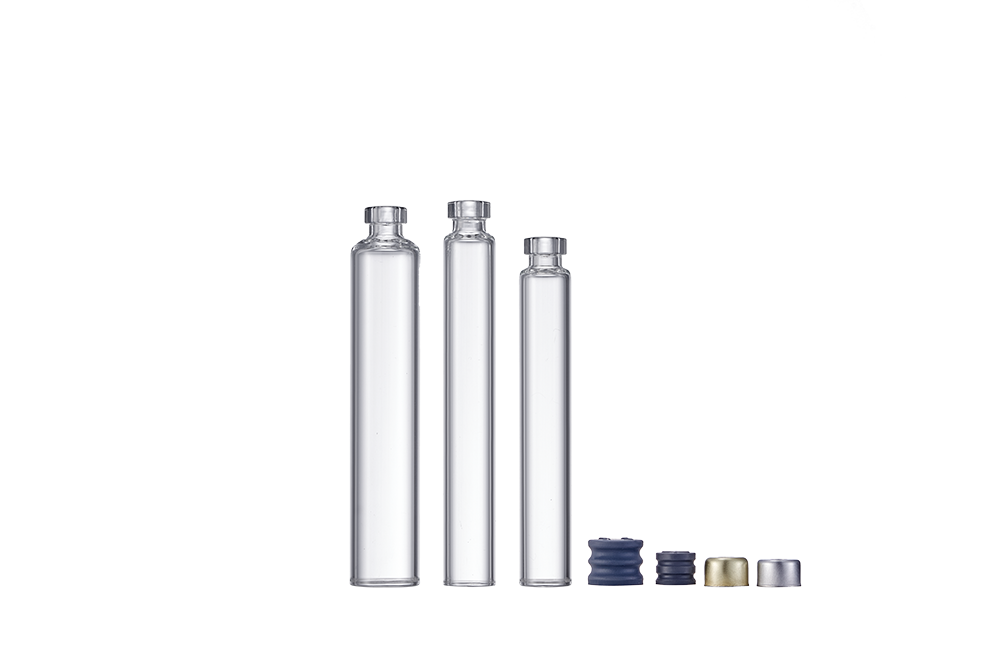
When I shift into solution mode, my approach is comparative and technical. I map two real options side-by-side: replace supplier A’s generic Type I claim with full lab certificates (including chemical durability and thermal shock data), or move to a vetted borosilicate line with documented depyrogenation history. In one case we switched to pre-validated molded bottles that cut QC holds by 40% within six weeks — yes, measurable and repeatable. We ran ASTM-style checks, updated SOPs for annealing verification, and adjusted the aseptic fill recipes. The pace felt clinical; I like that. (Quick aside: the factory floor team appreciated the clarity — no more finger-pointing.)
What’s Next?
Three practical metrics I use when choosing bottle solutions
I evaluate vendors by three clear metrics — and you can use them in bid comparisons: first, documented thermal tolerance and annealing profile (degrees C, not vague terms); second, sterility validation history and depyrogenation records with dated batch certificates; third, dimensional tolerance sheets plus real sample timelines (how fast can they deliver 1000 units for validation?). I rate each on a 0–10 scale and require a sample run before contract sign-off. I do this because in 2019 a missed tolerance cost a partner $23,000 in scrap — a number that sticks with me. Small interruptions happen — we tweak, we fix — but the metrics keep projects honest. I tell suppliers up front: give me numbers, samples, and dates. That clarity reduces surprises and speeds approvals.
Choose measurable specs, insist on labs and timeline proof, and you cut the guesswork. For practical sourcing and reliable molded bottles, consider the tested options LINUO — they present the data you need, fast, and that matters when a launch date is fixed and customers wait.
